

Zizobet
5.0Welcome Bonus
550% up to £3,800 across 4 deposits + 50 Free Spins
- High Bonus System
- Dual-wallet system
- 24/7 Chat Support
Compare HeySpin sister sites: Mr Luck, PlayFrank and UKGC alternatives PlayOJO, Unibet and Videoslots.
Zizobet
5.0Welcome Bonus
550% up to £3,800 across 4 deposits + 50 Free Spins

Cosmobet
5.0Welcome Bonus
750% + Up to 7000€ 1000 FREESPINS +25% Cashback

Wildies
4.9Welcome Bonus
Welcome Pack 400% up to £3200 + 150 FS

WinBeast
4.9Welcome Bonus
WELCOME PACK £5000 + 500 Free Spins

SlotoSport
4.9Welcome Bonus
Welcome Package £12000 + 777 FS

Velobet
4.8Welcome Bonus
GET UP TO 330% BONUS + 300 FREE SPINS!

7Gear
4.8Welcome Bonus
Welcome Reward Up To £5000 + 500 FS

Spin Polo
4.8Welcome Bonus
Welcome Pack 777% up to £ 7777 + 385 FS

Lilu Casino
4.7Welcome Bonus
Welcome Package 325% Up to £3750 + 500 FS

Truststake
4.7Welcome Bonus
100% Up To 1500 EUR + 100 FS

CleanWins
4.7Welcome Bonus
Welcome Bonus 200% Up To £2000 + 200 FS

Rolletto
4.6Welcome Bonus
725% Up to 7000€+ 200 FREESPINS + 20% Cashback

Betmac
4.6Welcome Bonus
100% Up To 525 EUR + 100 FS

AmunBet
4.6Welcome Bonus
Welcome Package 450% To £3000 + 450 FS

Smash Casino
4.5Welcome Bonus
600% Up To £10 000 + 25% Cashback

Daytona Spin
4.5Welcome Bonus
Welcome Pack 255% up to £4500 + 255 FS
HeySpin sits under AG Communications Limited, UKGC account number 39483. This guide profiles two confirmed UK-active same-account sisters plus three UKGC alternatives because parts of the wider AG Communications white-label network are winding down UK operations across several brands in June 2026.
| Field | Detail |
| Casino | HeySpin |
| Operator | AG Communications Limited |
| Parent Company | Aspire Global / NeoGames group structure |
| Licence | UKGC account number 39483; remote casino account 039483-R-319409-018 |
| Genuine Sister Sites Count | 2 confirmed UK-active same-account sisters: Mr Luck and PlayFrank |
| Trust Rating | Casino Guru 8.3/10 High, checked June 2026; Trustpilot 1.8/5 from 357 reviews, checked June 2026 |
| Brand | Our Rating | Welcome Bonus | Payout Speed (E-Wallets) | Top Feature |
| Mr Luck | 8.1/10 | Deposit-linked welcome offer; live terms required before claim | 1-3 days after approval | Active same-account AG Communications casino and sportsbook |
| PlayFrank | 8.0/10 | Multi-deposit package reported in public summaries; live terms required | 1-3 days after approval | Active same-account casino with mission-led lobby |
| PlayOJO | 8.6/10 | No-wagering positioning on current brand marketing; account terms decide eligibility | Same day to 2 days after approval | Skill On Net alternative with broad UK casino reach |
| Unibet | 8.7/10 | Sports and casino offers vary by campaign | Same day to 2 days after approval | Platinum Gaming alternative with mature sportsbook-casino product |
| Videoslots | 8.8/10 | Bonus-light product in many markets; promotions vary | Same day to 2 days after approval | Videoslots Limited alternative with very large game catalogue |
Ratings reflect WagerPals editorial assessment based on UKGC account status, product clarity, public bonus terms and player-review data; verify current offers before depositing.

Mr Luck is the clearest same-account pick in this revised guide because the UKGC public register lists mrluck.com on AG Communications Limited account number 39483, and the reviewer screenshot from 2 June 2026 showed an active UK-facing homepage. The page loaded with casino and sportsbook navigation, login and join calls to action, popular slots, hot slots, newest releases and live casino areas. That visual check matters because the UKGC register can lag commercial decisions.
The product is a sensible first HeySpin sister site for players who want continuity rather than a completely different operator. It uses the same legal account trail as HeySpin casino UK, so the responsible gambling, KYC and complaint structure should feel familiar. Mr Luck is not being presented as a safer route around account checks. It is one of the two confirmed UK-active same-account choices left after current homepage screening.
Mr Luck's strongest point is balance. It is less noisy than HeySpin, it has a sportsbook layer for players who split time between casino and football markets, and it appears to carry the familiar supplier mix associated with the AG Communications platform. HeySpin's live Casino Guru review lists 38 providers and 11 payment methods, including Visa, Mastercard, PayPal, Skrill, bank transfer, Apple Pay and other rails. Mr Luck cashier details should still be checked inside the account, but the expected payment pattern is recognisable for UK players.
As a bonus option, Mr Luck should be treated terms-first. Public summaries have referred to deposit-linked offers, but check the live offer screen before opting in. Mr Luck sister sites searches can pull in older promotional pages, so ignore any stale headline that is not visible in your account. For the stronger same-account pick, Mr Luck is steadier if you value a direct network link and a cleaner product layout.
| Metric | Details |
| Site Identity | Confirmed UK-active AG Communications same-account casino and sportsbook |
| What Sets It Apart | Strongest continuity pick for players staying inside the HeySpin account trail |
| Game Selection | Broad slot, live casino and sportsbook mix expected from the AG platform |
| Best Bonus Feature | Deposit-linked offer structure; live wagering terms decide value |
| Drawback | Shared operator standards mean KYC friction may feel similar to HeySpin |
| Ideal Player | Players who want the same UKGC account trail without the same brand styling |
PlayFrank is the second confirmed UK-active same-account brand in this article. The UKGC domain list places www.playfrank.com under AG Communications Limited account number 39483, and the reviewer screenshot from 2 June 2026 showed an active public homepage. The visible page carried PlayFrank branding, a welcome casino message, featured games and new-game tiles.
That makes PlayFrank a better editorial inclusion than any same-account brand that fails the current UK-facing homepage check. It is a HeySpin alternative for players who want a more playful casino front end, but it remains part of the same AG Communications Limited casinos trail. PlayFrank is a genuine sister, while the three later profiles are UKGC alternatives from different operators.
PlayFrank's appeal is presentation. It leans into game discovery, missions and a lighter casino feel, so it suits players who find HeySpin too sportsbook-adjacent or too generic. The probable supplier overlap is broad rather than exclusive; the better reason to choose PlayFrank is the shape of the lobby, not a unique studio list. It should suit mobile-first slot players who like visible new-game rows.
The drawback is terms clarity. Public bonus summaries for PlayFrank can describe multi-deposit packages and free spins, but those summaries may lag the live UK account page. After January 2026, wagering language deserves extra attention under UKGC LCCP SR Code 5.1.1. PlayFrank sister sites searches can therefore be useful for network mapping, but not for claiming a bonus. Treat the account offer page as the final source, complete verification early, and avoid activating a bonus unless the contribution rules and max-bet terms are clear.
| Metric | Details |
| Site Identity | Confirmed UK-active AG Communications white-label casino |
| What Sets It Apart | More playful lobby and game-discovery feel than HeySpin |
| Game Selection | Featured and new-game grids visible in reviewer screenshot |
| Best Bonus Feature | Promotional missions and multi-step offer style where live terms confirm it |
| Drawback | Public bonus summaries can age quickly |
| Ideal Player | Slot players who want an active same-account sister with a brighter casino layout |
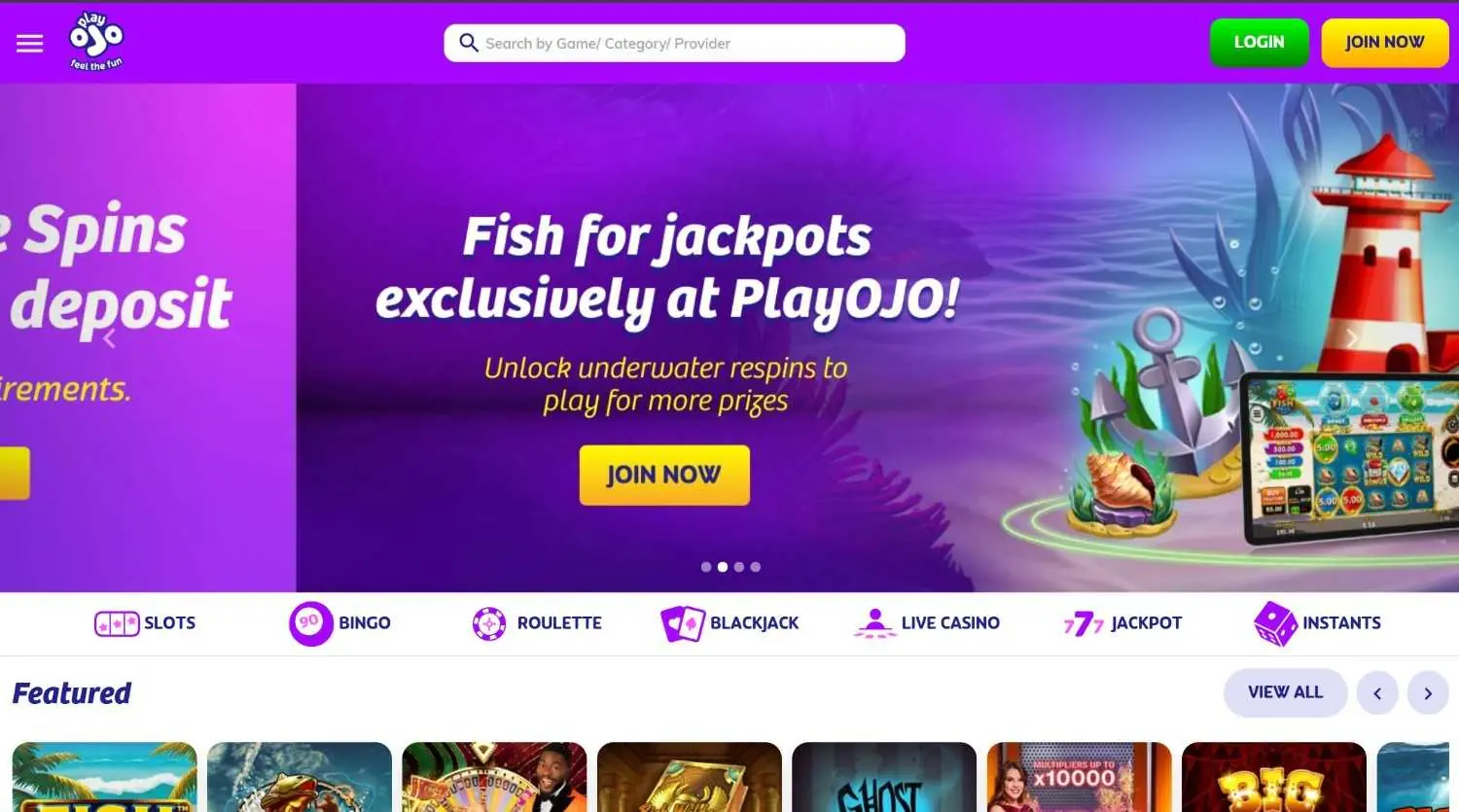
PlayOJO is not an AG Communications brand, so it should not be described as one of the sister sites of HeySpin. It is included because this page needs a practical five-brand comparison, and PlayOJO gives UK readers a large UKGC-regulated alternative under a different operator. The UKGC public register lists Skill On Net Limited under account number 39326 with active remote casino permission, and the domain list includes www.playojo.co.uk and www.playojo.com as active domains.
That operator difference is why PlayOJO is useful. If you want sites like HeySpin but not another AG Communications account, PlayOJO is a clean break. It suits players who value a casino-first product, a broad Skill On Net library, and clear no-wagering messaging. Current bonus eligibility still depends on the live account page. The BetBlast Casino review gives a separate AG Communications comparison point without implying a same-account relationship.
PlayOJO is strongest for players who dislike complicated bonus conversion maths. A traditional 35x bonus can turn a GBP50 bonus into GBP1,750 of required staking; a no-wagering structure can be simpler if it is actually available to your account and if game contribution rules are clear. That is why PlayOJO belongs in a HeySpin casino sister casinos comparison as an outside benchmark rather than a sister.
The trade-off is network size. Skill On Net Limited has a broad UK-facing estate, so customer support, KYC queues and promotional calendars can vary by brand and market. PlayOJO sister sites also include many Skill On Net names, but this article uses PlayOJO as the alternative because it is the clearest mainstream casino example. It suits players who want a different operator, a large game catalogue, and simpler bonus messaging.
| Metric | Details |
| Site Identity | UKGC alternative under Skill On Net Limited account number 39326 |
| What Sets It Apart | Different operator with strong no-wagering brand positioning |
| Game Selection | Broad Skill On Net casino catalogue with slots and live dealer games |
| Best Bonus Feature | Simpler bonus messaging than many matched-deposit offers |
| Drawback | Not a same-account HeySpin sister and account terms still decide eligibility |
| Ideal Player | Players wanting a clean operator break while staying with a UKGC casino |
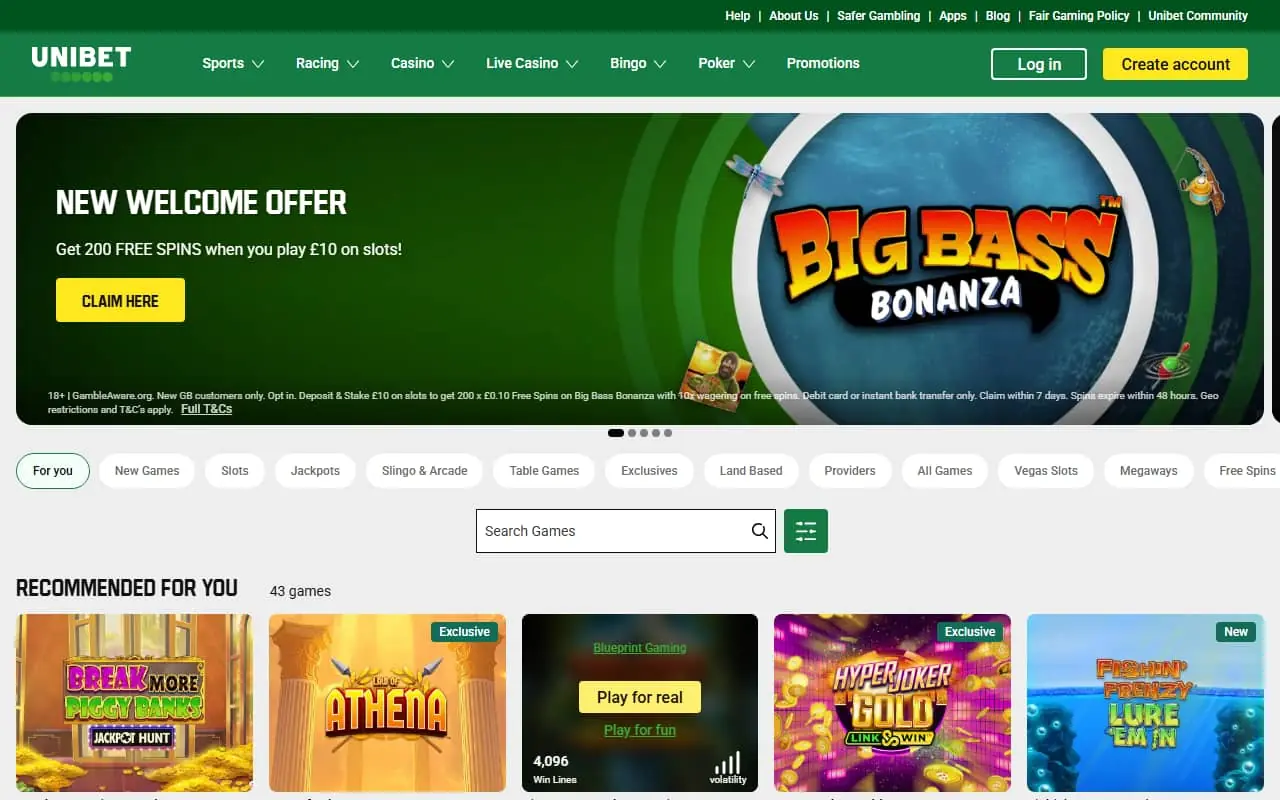
Unibet is the mature sportsbook-casino alternative in this guide. It is not connected to AG Communications Limited. The UKGC register lists Platinum Gaming Limited under account number 45322 with active remote bingo, casino and betting permissions, and the domain list includes www.unibet.co.uk as active. That makes Unibet a sensible non-network pick for players who want a larger mainstream account rather than another white-label casino skin.
The product fit is different from PlayFrank and Mr Luck. Unibet is more established, more sports-led and less dependent on a single casino welcome offer. It works best for players who want one account for sports betting, casino games and live tables. Casino Guru indexed snippets describe Unibet with a 9.0/10 Very high Safety Index in one current review version, but the UKGC register is the main licensing source here.
Unibet is also useful when discussing HeySpin alternatives because it shows the upside of leaving the AG Communications trail. If your concern is shared KYC standards or repeated promotional friction, a different UKGC account is more meaningful than another same-account brand.
The drawback is that Unibet's casino offer can be overshadowed by sports promotions. Some players will prefer PlayOJO for casino simplicity or Videoslots for game depth. Unibet sister sites are part of a broader Kindred/Platinum Gaming context, but this page treats Unibet as the individual alternative because it gives UK players a recognisable, active casino and sportsbook account. It is the strongest comparison pick for players who want a mainstream operator outside the AG Communications network.
| Metric | Details |
| Site Identity | UKGC alternative under Platinum Gaming Limited account number 45322 |
| What Sets It Apart | Mature sportsbook-casino account outside the AG Communications trail |
| Game Selection | Broad slots, live casino and betting product rather than casino-only focus |
| Best Bonus Feature | Campaign-led offers across sports and casino |
| Drawback | Casino promotions can be less central than sportsbook offers |
| Ideal Player | Players wanting a mainstream non-network alternative with sports depth |

Videoslots completes the five-profile set as the game-depth alternative. It is not a HeySpin sister site and is not operated by AG Communications Limited. The UKGC public register lists Videoslots Limited under account number 39380 with active remote casino, bingo, betting and linked gambling software permissions, and the domain list includes www.videoslots.co.uk and www.videoslots.com as active.
The reason to choose Videoslots is the library. Current Casino Guru search results show Videoslots with a 9.0/10 Very high Safety Index in the direct VideoSlots-Casino-review result, and the review text describes it as a very large casino. Public UK summaries frame Videoslots around a broad slot catalogue, live tables and frequent promotions. Exact game counts change by market, but Videoslots is the best non-network option here for players whose main priority is choice.
Videoslots is less suited to players chasing a simple welcome package. In many markets the brand is more product-led than bonus-led, and its promotional calendar can be more about ongoing mechanics than a single front-page matched deposit. That can be positive if you dislike wagering maths. It can disappoint if you only want the highest headline bonus.
For HeySpin similar sites, Videoslots is the strongest contrast. Mr Luck and PlayFrank offer continuity, PlayOJO offers simpler casino positioning, Unibet offers mainstream sports depth, and Videoslots offers game volume. Videoslots sister sites can include other brands on its UKGC account trail, but this profile focuses on Videoslots itself because it is the active flagship domain. For the broadest non-network game catalogue, Videoslots is the practical pick.
| Metric | Details |
| Site Identity | UKGC alternative under Videoslots Limited account number 39380 |
| What Sets It Apart | Large casino-first product outside the AG Communications account |
| Game Selection | Very broad slot and live casino coverage |
| Best Bonus Feature | Ongoing promotions and tournaments rather than a single bonus hook |
| Drawback | Bonus hunters may prefer clearer matched-deposit pages elsewhere |
| Ideal Player | Players who want game depth and a different UKGC operator |
We checked the UKGC public register, AG Communications domain names, Casino Guru's live HeySpin review, Trustpilot profile data, public bonus summaries, reviewer homepage screenshots dated 2 June 2026, and the Zizobet Casino review as an outside slot-led comparison point. Homepage screening removed several same-account candidates. We test representative account flows and public terms, but logged-in cashier limits and personalised promotions still need player confirmation.
Bonus value is the biggest practical difference across sites like HeySpin. Mr Luck and PlayFrank are the two same-account options, but both still require live account terms before a bonus should be accepted. PlayOJO is the simpler outside benchmark because its public brand positioning is built around no-wagering messaging and no-deposit casino comparisons for bonus-light players. Unibet uses campaign-led sports and casino offers. Videoslots is often more valuable for game depth and recurring promotions than for a single welcome headline.
A worked example explains the risk. If a player deposits GBP50 and receives a GBP50 casino bonus with 35x wagering on the bonus, the staking requirement is GBP1,750 before restricted winnings can be withdrawn. If a GBP50 bonus has 10x wagering, the requirement falls to GBP500. Under UKGC LCCP SR Code 5.1.1, which took effect in January 2026, wagering requirements are restricted where applicable, so old public summaries should never override the live account terms. No reliable current HeySpin sister sites no deposit bonus was verified in this pass.
HeySpin has the broadest reputation footprint of the AG Communications brands in this guide. Casino Guru's live HeySpin review lists an 8.3/10 High Safety Index, 38 game providers, 11 payment methods, mixed user feedback from seven reviews, Gamecheck confirmation that no fake games were found in the checked selection, and a complaint record that includes direct and related-casino black points. Trustpilot is harsher at 1.8/5 from 357 reviews, checked June 2026.
The network is now best read as consolidating. Mr Luck and PlayFrank are the confirmed active same-account options from the reviewer evidence. That means the comparison set should not be padded with weak candidates just because a register line exists. Mr Luck wins for continuity and sportsbook crossover, while free spins casinos UK comparisons show why spin-led offers need extra terms checking. PlayFrank wins for a brighter casino lobby. The three alternatives win when the reader wants a different operator. No new AG Communications Limited casinos were verified as launching in 2026.
| Payment Method | Min Deposit | Max Deposit | Withdrawal Time | Fees |
| Visa | GBP10 commonly seen across UK casino pages | Account-level limit | 1-3 days after approval | No operator fee verified |
| Mastercard | GBP10 commonly seen across UK casino pages | Account-level limit | 1-3 days after approval | No operator fee verified |
| PayPal | Brand and account eligibility required | Account-level limit | Often same day after approval | No operator fee verified |
| Skrill | Brand and account eligibility required | Account-level limit | Often same day after approval | No operator fee verified |
| Apple Pay | Device and brand eligibility required | Account-level limit | Usually card-route timing | No operator fee verified |
| Bank Transfer | Account-level confirmation required | Account-level limit | 2-5 days after approval | Bank fees may depend on provider |
Casino Guru lists 11 HeySpin payment methods, including Skrill, Paysafecard, Visa, Mastercard, PayPal, Trustly, Maestro, bank transfer, Apple Pay, Skrill 1-Tap and MuchBetter. Across the five picks, debit cards are the most predictable baseline, e-wallets are usually quickest after approval, and bank transfer is best kept as a backup rather than a speed choice.
| Site | Top 5 Providers | Approx. Game Count | Live Dealer Available |
| Mr Luck | NetEnt, Play'n GO, Pragmatic Play, Evolution, Blueprint | Broad AG platform library; exact live count varies | Yes |
| PlayFrank | NetEnt, Play'n GO, Pragmatic Play, Evolution, Red Tiger | Featured and new-game grids verified visually | Yes |
| PlayOJO | Play'n GO, Pragmatic Play, Evolution, NetEnt, Red Tiger | Large Skill On Net catalogue; exact UK count varies | Yes |
| Unibet | Evolution, NetEnt, Play'n GO, Pragmatic Play, Blueprint | Broad sports-casino catalogue; exact UK count varies | Yes |
| Videoslots | NetEnt, Play'n GO, Pragmatic Play, Evolution, Blueprint | Very large casino-first catalogue; exact UK count varies | Yes |
The main pattern is overlap. Players comparing sister sites of HeySpin will see familiar studios across all five choices, so the deciding factor is not a single exclusive slot. VideoSlots sister site alternatives are useful for readers who want to map a separate account trail before choosing a game-heavy brand. That account mapping is most useful if you also compare cashier rules, bonus restrictions, verification standards and the practical feel of each lobby before deciding. It is whether you want AG Communications continuity, Skill On Net simplicity, Platinum Gaming mainstream scale, Videoslots game depth, or a roulette option for table-game filtering.
| Site | Licence Body | UKGC Account Number | Self-Exclusion Available | RNG Testing |
| HeySpin | UKGC | 39483 | UKGC remote-casino self-exclusion options available | Gamecheck found no fake games in checked selection |
| Mr Luck | UKGC | 39483 | UKGC remote-casino self-exclusion options available | Supplier and platform testing expected under UKGC rules |
| PlayFrank | UKGC | 39483 | UKGC remote-casino self-exclusion options available | Supplier and platform testing expected under UKGC rules |
| PlayOJO | UKGC | 39326 | UKGC remote-casino self-exclusion options available | Supplier and platform testing expected under UKGC rules |
| Unibet | UKGC | 45322 | UKGC remote-casino self-exclusion options available | Supplier and platform testing expected under UKGC rules |
| Videoslots | UKGC | 39380 | UKGC remote-casino self-exclusion options available | Supplier and platform testing expected under UKGC rules |
Licensing is the strongest objective filter. HeySpin, Mr Luck and PlayFrank sit on AG Communications Limited account number 39483; PlayOJO sits under Skill On Net Limited account number 39326; Unibet sits under Platinum Gaming Limited account number 45322; Videoslots sits under Videoslots Limited account number 39380. For disputes, complain to the operator first, then use the named ADR route and Gambling Commission public guidance if the complaint process stalls. Keep copies of verification uploads, bonus terms and chat transcripts because formal escalation is easier when the evidence is already organised.
The AG Communications regulatory record matters for HeySpin, Mr Luck and PlayFrank specifically. The UKGC public action page records a 4 February 2025 settlement after a review found AML and social-responsibility control failings between 2023 and 2024, with a £1,407,834 payment in lieu of financial penalty plus divestment, Commission costs and a public statement. That history tightens the practical KYC, source-of-funds and bonus-eligibility checks UK players should expect on the AG Communications account today. Document uploads and withdrawal evidence should be ready before the first deposit on any of the three same-account brands.
The main HeySpin sister companies complaint pattern is account administration rather than game supply. If gambling stops feeling controlled, use GamCare counselling resources before opening another account. Casino Guru's live review gives HeySpin an 8.3/10 High Safety Index, but it also references direct and related complaints, related-casino black points, and terms issues. Trustpilot is more negative, with a 1.8/5 score from 357 reviews and visible themes around delayed withdrawals, promotional disputes, support frustration and account checks.
For the broader comparison set, expect similar complaint categories across UKGC casinos: source-of-funds requests, document rejection, locked accounts during review, bonus misunderstanding and withdrawal delays after failed verification. The practical defence is simple: verify early, avoid bonuses you do not understand, compare fast withdrawal casinos UK standards before choosing a cashier, then keep screenshots of terms and chat, note the time of each contact, save withdrawal references, and wait for written confirmation. If support gives inconsistent answers, stop playing until the account record is clear and use the formal complaint route.
| Source | What Players Praise | What Players Criticise |
| No reliable HeySpin-specific pattern found in June 2026 checks | Generic threads were not strong enough to cite | |
| Trustpilot | A small minority praise game choice and occasional fast withdrawals | HeySpin shows 1.8/5 from 357 reviews; withdrawal and support complaints dominate |
| AskGamblers | Public casino pages give another complaint-screening route | Complaint themes often overlap with KYC, withdrawal and bonus disputes |
| Casino Guru | HeySpin has 8.3/10 High Safety Index and verified UKGC/MGA licensing | Mixed user feedback, complaint black points and some terms concerns remain |
The dominant theme is paperwork. The strongest choices are the brands where you understand verification, withdrawal timing and bonus restrictions before the first deposit. For a separate complaint-profile reference outside the AG Communications network, the Cashmo Casino review covers a smaller UKGC operator's withdrawal-and-bonus pattern. That contrast is most useful when AG Communications-style support friction is the deciding factor, since smaller operators often show different cashier and KYC behaviours.
Within the AG Communications network, pick Mr Luck if you want continuity. The PlayOJO review is the better reference if you want a different casino-first operator. The best HeySpin sister site for that continuity is Mr Luck. It is active in the reviewer screenshot, sits on the same UKGC account number 39483, and gives the cleanest bridge for players who still want a same-account brand. Pick PlayFrank instead if you want a brighter casino lobby and game-discovery feel while remaining inside the confirmed active pair.
For a broader UKGC alternative, Videoslots is the best pick if game depth matters most. The Unibet review is stronger for players who want sportsbook depth and a mainstream account. PlayOJO is better if you want simpler casino-first bonus messaging, and Unibet is better if you want a mainstream sportsbook-casino account. This is the core HeySpin alternatives decision: stay inside the consolidating same-account network for continuity, or choose a different UKGC operator for diversity.
HeySpin's own UK status is verified through UKGC remote casino activity from 1 November 2014 and Casino Guru's live 8.3/10 High review last updated 04/2026. At the same time, current UK-facing checks (reviewer Playwright captures dated 2 June 2026) show the wider AG Communications white-label network is consolidating: King Casino and Slotzo display a 15 June 2026 closure banner on their UK-facing homepages stating "ceasing operations in your territory… no longer accepting registrations or deposits", while Magic Red and Neptuneplay return Akamai 403 access blocks to UK-locale checks. That is why this guide profiles only two confirmed active same-account sisters (Mr Luck and PlayFrank) plus three UKGC alternatives from different operators.
That makes the safest comparison set straightforward. Mr Luck and PlayFrank are the genuine continuity picks. PlayOJO, Unibet and Videoslots are the different-operator alternatives for players who want diversity. Choose based on licence trail, bonus terms, game depth and payment fit. New casinos UK comparisons can help if you want a recently refreshed product, but complete your KYC verification immediately after registration.

Olivia Cox
Sister Sites Researcher
Olivia tracks UK casino sister-site networks for WagerPals — mapping which brands share authorisations, parent companies, and player-protection terms. She works from public authorisation registers and operator filings, with a particular eye for offshore/UKGC ownership splits.