

Zizobet
5.0Welcome Bonus
550% up to £3,800 across 4 deposits + 50 Free Spins
- High Bonus System
- Dual-wallet system
- 24/7 Chat Support
Kitty Bingo is operated by Rank Interactive (Gibraltar) Limited under UKGC account 57924 and Gibraltar licences RGL 133 and RGL 134. Its sister sites sit inside Rank’s bingo, casino, and gaming estate. The network’s defining trait is regulated UK bingo with broad shared infrastructure and strong casino-side alternatives.
Zizobet
5.0Welcome Bonus
550% up to £3,800 across 4 deposits + 50 Free Spins

Cosmobet
5.0Welcome Bonus
750% + Up to 7000€ 1000 FREESPINS +25% Cashback
Wildies
4.9Welcome Bonus
Welcome Pack 400% up to £3200 + 150 FS

WinBeast
4.9Welcome Bonus
WELCOME PACK £5000 + 500 Free Spins
SlotoSport
4.9Welcome Bonus
Welcome Package £12000 + 777 FS

Velobet
4.8Welcome Bonus
GET UP TO 330% BONUS + 300 FREE SPINS!
7Gear
4.8Welcome Bonus
Welcome Reward Up To £5000 + 500 FS

Spin Polo
4.8Welcome Bonus
Welcome Pack 777% up to £ 7777 + 385 FS
Lilu Casino
4.7Welcome Bonus
Welcome Package 325% Up to £3750 + 500 FS

Truststake
4.7Welcome Bonus
100% Up To 1500 EUR + 100 FS
CleanWins
4.7Welcome Bonus
Welcome Bonus 200% Up To £2000 + 200 FS

Rolletto
4.6Welcome Bonus
725% Up to 7000€+ 200 FREESPINS + 20% Cashback
Betmac
4.6Welcome Bonus
100% Up To 525 EUR + 100 FS

AmunBet
4.6Welcome Bonus
Welcome Package 450% To £3000 + 450 FS

Smash Casino
4.5Welcome Bonus
600% Up To £10 000 + 25% Cashback

Daytona Spin
4.5Welcome Bonus
Welcome Pack 255% up to £4500 + 255 FS
| Detail | Info |
| Full Legal Name | Rank Interactive (Gibraltar) Limited |
| Parent Company | The Rank Group Plc |
| Primary Licence(s) | UKGC account 57924; remote licence 057924-R-334666-004; Gibraltar RGL 133 and RGL 134 |
| Active Casino Brands | 12 active UKGC-listed domains, including Kitty Bingo itself |
| Casino Guru Safety Index | 9.3/10 |
| Trustpilot Rating | 1.4/5 from 268 reviews, checked April 2026 |
Rank Interactive (Gibraltar) Limited is licensed by the Gambling Commission under account 57924, with active remote bingo, casino, gambling software, and betting permissions under licence 057924-R-334666-004. The UKGC domain list includes kittybingo.com, meccabingo.com, luckypantsbingo.com, grosvenorcasinos.com, bellacasino.com, magicalvegas.com, regalwins.com, rialtocasino.com, luckyvip.com, spinandwin.com, thevic.com, and meccagames.com as active sites.
Kitty Bingo’s own terms say Rank Interactive is part of The Rank Group Plc and name the wider brand estate, including Bella Casino, Grosvenor Casinos, Mecca Bingo, Mecca Games, Kitty Bingo, Lucky Pants Bingo, Lucky VIP, Magical Vegas, Regal Wins, Rialto Casino, The Vic, and Spin & Win. That makes Kitty Bingo sister sites unusually easy to verify compared with offshore networks where ownership and licence claims often conflict.
In market terms, Kitty Bingo sits closer to community-led bingo than to sportsbook-led ecosystems such as Bet365 sister sites, Betfair, or Coral sister sites. Players comparing sites like Kitty Bingo should focus on bingo rooms, chat hosts, low-stakes tickets, payment methods, app quality, and whether the player wants a softer bingo-first account or a broader casino product.
A Sky Bingo review is a useful UK bingo benchmark when comparing Kitty’s room-led experience with larger bingo names.
Players comparing Virgin Games sister site alternatives are usually looking for a broader entertainment-led UK casino estate rather than a bingo-first Rank account.
| Brand | Our Rating | Welcome Bonus | Payout Speed (E-Wallets) | Top Feature |
| Mecca Bingo | 4.8/5 | £40 bingo bonus, 50 free spins, and club voucher-style offers vary by campaign | Standard Rank processing after KYC | Best-known bingo sister site with retail club history |
| Lucky Pants Bingo | 4.5/5 | Bingo and slot promotions vary by live campaign | Standard Rank processing after KYC | Closest lighter bingo-first sister site |
| Grosvenor Casinos | 4.9/5 | Casino promotions vary by account and campaign | Standard Rank processing after KYC | Best casino-first Rank site |
| Bella Casino | 4.3/5 | Casino offers vary; Casino Guru lists no active bonus in checked profile | Standard Rank processing after KYC | Softer casino-first sister site with PayPal support |
| Sky Vegas | 4.7/5 | Free-spin-style UK offers vary by campaign | Mainstream UK processing, method-dependent | Best external casino-first alternative |
Every site listed holds a valid UKGC licence. Bonuses are subject to change — always verify the latest terms directly on each operator’s website before depositing.
Kitty Bingo’s genuine sister sites include several Rank-operated bingo and casino sites, but not all are equally useful alternatives. Mecca Bingo and Lucky Pants Bingo are the most natural bingo comparisons. Grosvenor Casinos and Bella Casino are better if the player wants casino depth. Sky Vegas is not a Kitty Bingo sister site; it is included as the external UKGC alternative because it gives casino-first players a larger mainstream option.
Sky Vegas casino alternatives are most relevant when a Kitty player wants to leave bingo-first play and move toward a broader casino-first account.
A Bingo Hollywood review offers another bingo-led comparison point for players weighing Kitty’s community tone against a more novelty-led bingo brand.
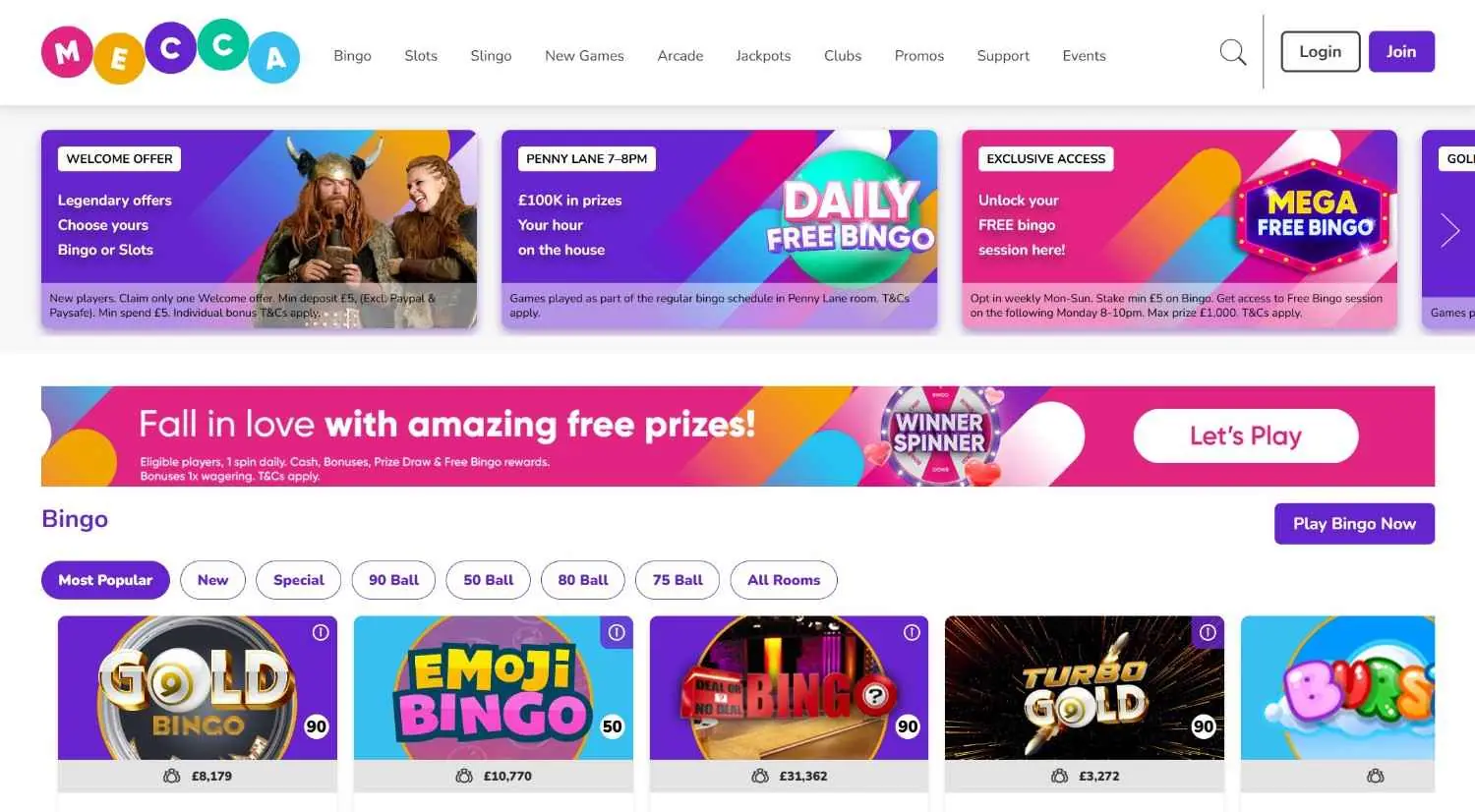
Mecca Bingo is the most important Kitty Bingo sister site because it carries Rank’s strongest bingo heritage. Kitty Bingo is friendly, feline-themed, and more digitally playful, while Mecca is the bigger household name with long-running online and land-based recognition. Both sit under Rank Interactive’s UKGC account 57924, so the licensing backbone matches.
The target audience differs slightly. Kitty Bingo works best for casual players who like chat rooms, a softer visual identity, and a community atmosphere. Mecca Bingo is better for players who want a more established bingo name, stronger brand familiarity, and a wider perception of bingo-room depth. It also makes sense for players who still associate bingo with clubs, halls, and a broader social tradition.
A Glossy Bingo review is a useful comparison when the question is how much bingo-site personality matters beside operator scale.
Casino Guru lists Mecca Bingo with positives including a good selection of providers, progressive jackpot slots, no withdrawal limits, live dealer games, and PayPal availability. That gives Mecca a stronger all-rounder profile than Kitty Bingo for players who want both bingo and casino content in one place.
The welcome package changes regularly, but UK bingo listings frequently describe Mecca with a bingo bonus, free spins, and sometimes a club voucher-style component. The exact bonus should be checked on the live site, especially because UK bonus rules and campaign end dates change. Compared with Kitty Bingo’s smaller £30-style bingo bonus and free-spin package, Mecca often feels more generous and more widely promoted.
Mecca is the best Kitty Bingo sister site for players who want the same Rank-controlled environment but with stronger bingo heritage and a more recognised brand. Kitty Bingo is more playful; Mecca is more established.
| Metric | Details |
| Site Identity | Rank’s best-known bingo site with strong heritage |
| What Sets It Apart | Bigger bingo identity than Kitty Bingo |
| Game Selection | Bingo rooms, slots, jackpots, live dealer games, and PayPal support |
| Best Bonus Feature | Bingo bonus, free spins, and club voucher-style offers vary |
| Honest Drawback | Less playful and niche than Kitty Bingo |
| Ideal Player | Bingo-first players who want the biggest Rank bingo name |
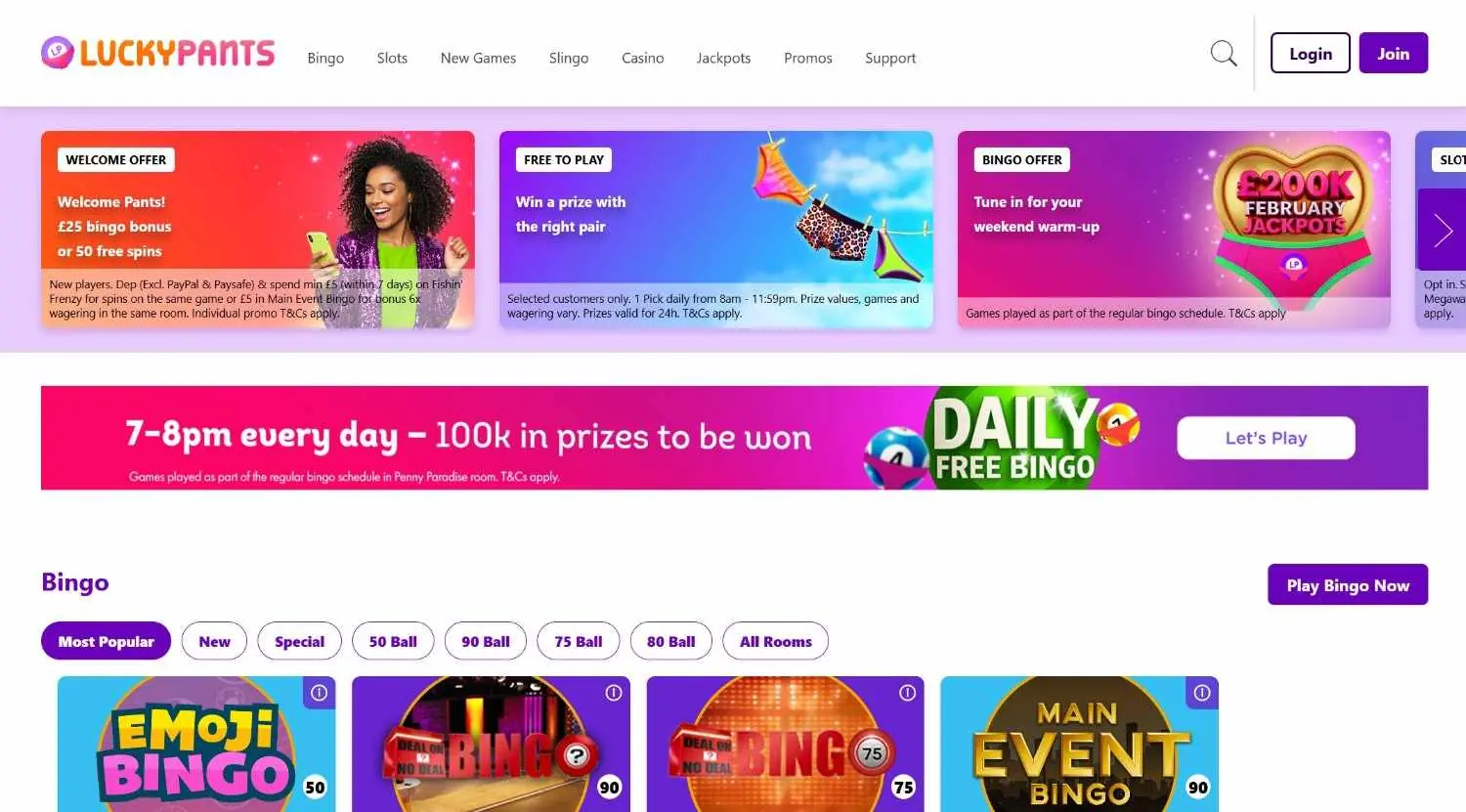
Lucky Pants Bingo is the closest lighter alternative to Kitty Bingo inside the Rank network. Both sites are bingo-first, friendly, and clearly aimed at casual UK players rather than high-stakes casino users. The UKGC register places luckypantsbingo.com and kittybingo.com under the same Rank Interactive account, which makes Lucky Pants a genuine Kitty Bingo sister site rather than a lookalike.
The design tone is different. Kitty Bingo uses a cat-led community feel, while Lucky Pants leans into a cheekier, brighter bingo identity. It feels less heritage-led than Mecca and less casino-heavy than Grosvenor. That makes it useful for players who like Kitty Bingo’s low-pressure atmosphere but want a slightly different room layout, promotion schedule, or chat-room feel.
A Robin Hood Bingo review is a useful outside comparison for players who prefer lighter bingo branding over serious casino positioning.
Lucky Pants is best understood as a bingo companion site rather than a major upgrade. Bingoport describes it as easy to use, with simple tabs for bingo, casino, and promotions, though it also notes that newer players may not immediately spot the FAQ or live chat link. That is an article-specific usability point: Lucky Pants is friendly, but not necessarily more polished than Kitty Bingo.
Casino Guru says Lucky Pants is related to 10 other online casinos and that the relationship positively affects its Safety Index. This is important because the site benefits from being inside a better-scored Rank network rather than standing alone as a tiny bingo site.
Bonuses vary, but Lucky Pants often appears in bingo listings with smaller welcome and room-specific offers rather than giant casino matches. Choose it over Kitty Bingo if you want a similarly casual Rank bingo site with a different personality, not if you want a dramatically larger casino library or payment setup.
| Metric | Details |
| Site Identity | Light, casual Rank bingo site with playful branding |
| What Sets It Apart | Closest soft-style alternative to Kitty Bingo |
| Game Selection | Bingo rooms, slots, promotions, and simple navigation |
| Best Bonus Feature | Bingo and slot offers vary by campaign |
| Honest Drawback | Not a major product upgrade over Kitty Bingo |
| Ideal Player | Casual bingo players who want a familiar Rank alternative |
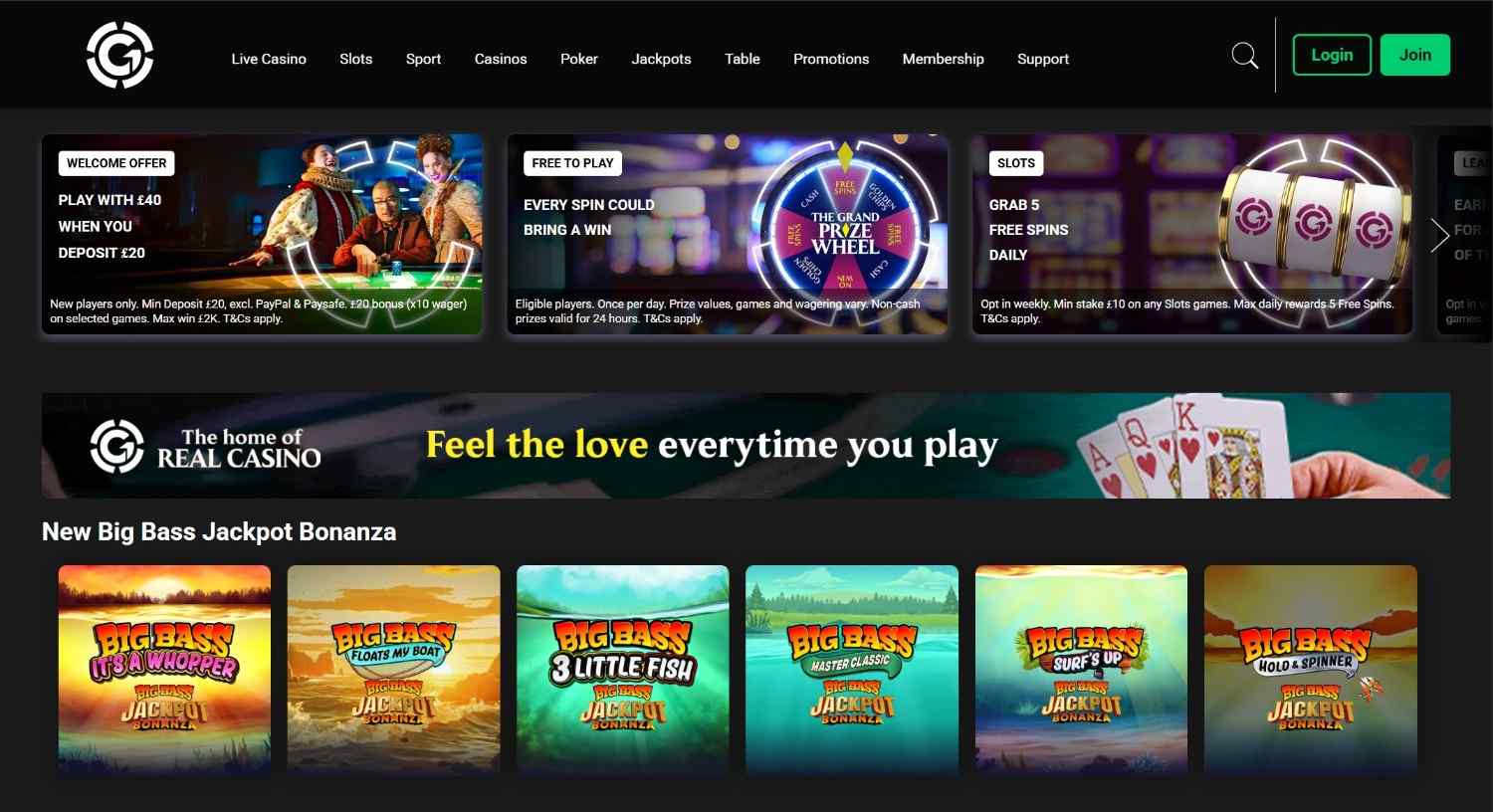
Grosvenor Casinos is the strongest casino-first site in the Kitty Bingo network. It is operated under the same Rank Interactive UKGC domain estate, but its target player is different. Kitty Bingo is built around bingo rooms, chat games, and friendly community play. Grosvenor is a casino-led account connected to one of Britain’s best-known casino names.
The brand positioning is clear. Grosvenor carries a premium casino feel with land-based heritage, live casino recognition, and a more adult table-games identity. It is the Rank site to consider if Kitty Bingo feels too bingo-focused and the player wants blackjack, roulette, live tables, poker-style content, and a bigger casino lobby.
Casino Guru gives Grosvenor Casinos a 9.8/10 Very High Safety Index, describing it as a very big casino with mostly fair T&Cs and no relevant blacklist signal. That makes it one of the strongest alternatives in this article by independent casino score.
The bonus comparison is not straightforward because Grosvenor promotions differ from Kitty Bingo’s bingo-specific welcome flow. Kitty Bingo’s current player journey is built around depositing and playing bingo to unlock a bingo bonus and free spins. Grosvenor’s casino offers are more likely to revolve around casino promotions, live play, and account-level campaigns. Players should check the live terms before assuming one site is “more generous.”
Banking is also more casino-focused. Rank’s terms apply across the wider account environment, and payment tools are shared at operator level, but individual product availability and bonus eligibility can vary. Grosvenor is the best Kitty Bingo sister site for casino depth. It is not the best pick if the player mainly wants chat-led bingo rooms.
| Metric | Details |
| Site Identity | Rank’s strongest casino-first site with land-based heritage |
| What Sets It Apart | Much deeper casino identity than Kitty Bingo |
| Game Selection | Slots, live tables, roulette, blackjack, and casino games |
| Best Bonus Feature | Casino promotions vary by campaign |
| Honest Drawback | Less bingo-community focused than Kitty Bingo |
| Ideal Player | Players who want casino depth inside the Rank network |
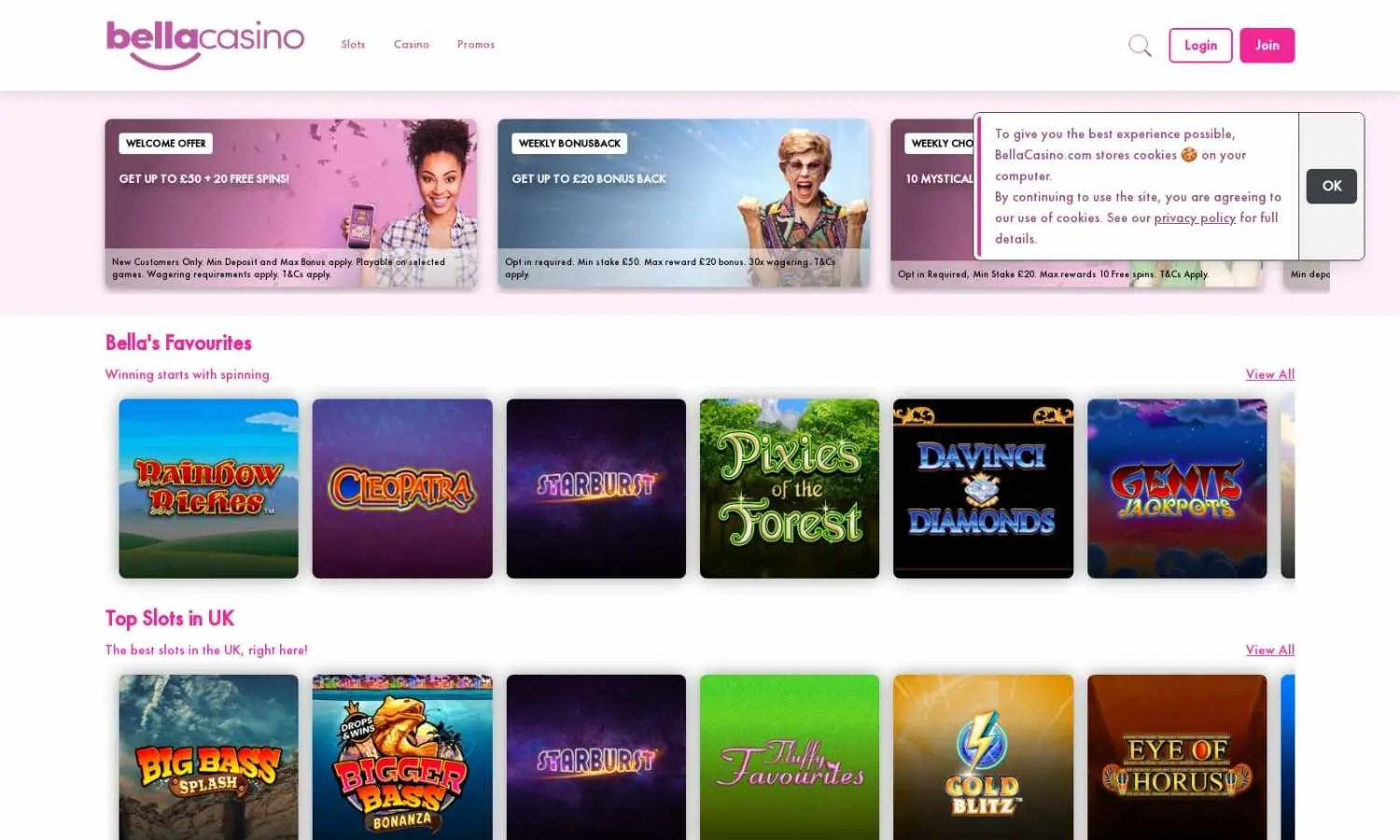
Bella Casino is a useful site like Kitty Bingo for players who want a softer casino-first experience without moving fully into the heavier Grosvenor environment. It is part of the same Rank Interactive UKGC domain estate, with bellacasino.com listed as active under account 57924. That makes Bella a genuine Rank sister site, even though it is not a bingo-first product.
The design is the main difference. Kitty Bingo is cute, social, and bingo-led. Bella Casino is softer than Grosvenor but more casino-focused than Kitty. It works as a bridge for players who enjoy Kitty’s lighter tone but want slots and casino games to take priority over bingo rooms.
Casino Guru gives Bella Casino an 8.6/10 High Safety Index, lists Rank Interactive Gibraltar Limited as owner, and shows PayPal, PaysafeCard, Visa, Mastercard, and Apple Pay as payment methods. It also lists unlimited GBP withdrawals. That makes Bella a stronger casino-side option than Kitty for players who want simple payments and a more slots-oriented lobby.
The weakness is that Bella does not add the same community layer. Kitty Bingo’s Trustpilot company description highlights “roomies,” chat hosts, chat games, quizzes, and a five-tier VIP scheme. Bella is more conventional as a casino site. That makes it less social, even if it is cleaner for slot play.
Bella Casino is the best Kitty Bingo sister site for players who want a gentler casino experience without jumping to Grosvenor’s bigger casino identity. It is not the best choice for bingo-first users, but it is a natural next step for Kitty players who mostly play slots.
| Metric | Details |
| Site Identity | Softer casino-first Rank site |
| What Sets It Apart | Gentler casino alternative inside the same operator network |
| Game Selection | Slots and casino games with PayPal and Apple Pay listed |
| Best Bonus Feature | Casino offers vary; no active Casino Guru bonus shown |
| Honest Drawback | Less chat-led and community-focused than Kitty Bingo |
| Ideal Player | Kitty Bingo users who mainly want slots and simple casino play |
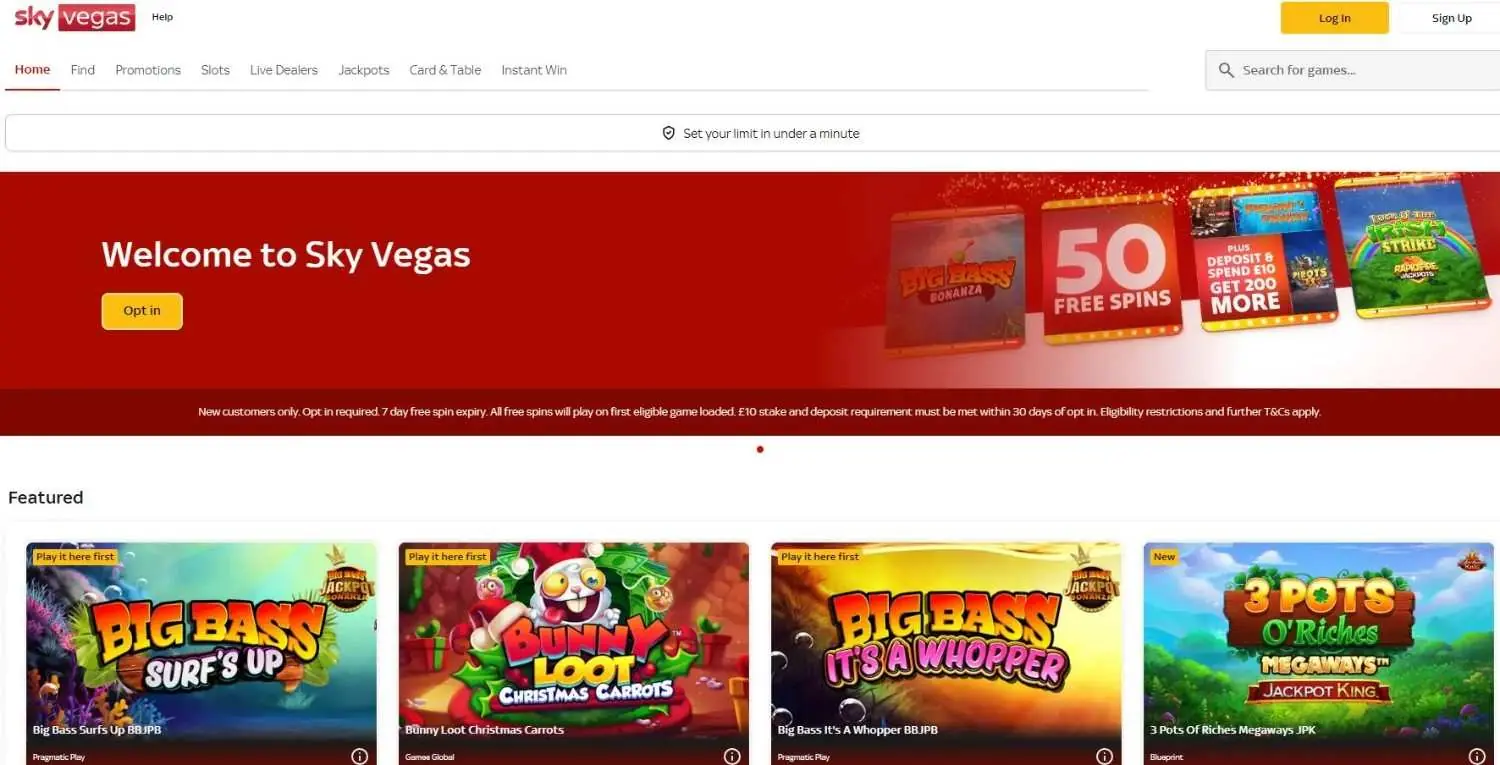
Sky Vegas is not a Kitty Bingo sister site. It is included as the external alternative because it is a UKGC-licensed casino-first site from a different major operator group. It gives players a different answer to the same question: what if you like regulated UK online play but want a bigger, brighter casino experience than Kitty Bingo offers?
The positioning is very different. Kitty Bingo is bingo-led, social, and community-focused. Sky Vegas is casino-first, app-style, and entertainment-led, with slots, jackpots, live casino, and game-show-style content taking the lead. Players who spend more time in Kitty’s slots than in bingo rooms may find Sky Vegas a more natural long-term alternative.
A Virgin Games review is a useful UKGC comparison for players choosing between entertainment-led casino products and bingo-first accounts.
The bonus model also differs. Sky Vegas frequently appears in UK free-spin and casino-offer roundups, though the exact offer changes by campaign. Kitty Bingo’s current welcome structure is more specific: deposit and spend on qualifying bingo, then receive a bingo bonus and free spins. Sky Vegas is better for casino-first promotions; Kitty is better for bingo-led onboarding.
Sky Vegas should not be framed as safer only because it is larger, but it does offer a more mainstream casino experience. It also avoids the issue of moving to another Rank site if the player wants to compare a different operator. That is useful because many players looking for Kitty Bingo alternatives are not really asking for a sister site; they are asking for a broader UKGC casino.
A Gala Spins review is another useful comparison for players who want a casino-first product with a lighter slots focus.
Choose Sky Vegas if bingo is secondary and casino entertainment is the priority. Stay with Kitty Bingo, Mecca, or Lucky Pants if chat rooms and bingo community matter more.
| Metric | Details |
| Site Identity | Mainstream UK casino-first alternative |
| What Sets It Apart | Bigger app-style casino experience outside Rank |
| Game Selection | Slots, jackpots, live casino, and game-show-style content |
| Best Bonus Feature | Campaign-led free-spin-style offers |
| Honest Drawback | Not a bingo-community replacement for Kitty Bingo |
| Ideal Player | Casino-first players who want a broader UKGC alternative |
Kitty Bingo’s main advantage is personality. It is not the biggest Rank site, the deepest casino, or the broadest payment product, but it has a clear community identity. Trustpilot’s company description refers to Kitty club perks, a dedicated VIP manager, five VIP tiers, chat games, quizzes, prizes, chat hosts, and a “friendly roomies” atmosphere. That is exactly the kind of softer bingo positioning that Mecca, Grosvenor, and Bella do not replicate in the same way.
Against Mecca Bingo, Kitty loses on heritage and brand recognition but may feel more playful. Against Lucky Pants Bingo, it is a close match: both are soft, casual Rank bingo sites, but Kitty has the stronger cat-led identity. Against Grosvenor Casinos, Kitty loses heavily on casino depth but wins for low-pressure bingo community. Against Bella Casino, Kitty is better for bingo and chat, while Bella is better for straightforward slots.
A Fabulous Bingo review is a useful external comparison for deciding whether bingo personality matters more than casino depth.
On bonuses, Kitty is competitive but not spectacular. Current public listings usually describe a £30 bingo bonus and 50 free spins after depositing and playing £10 on qualifying bingo. Some sources differ on wagering, but several current 2026 listings describe 15x wagering on bonus elements and a seven-day claim or redemption window.
On withdrawals, Kitty’s best advantage is that Casino Guru lists no GBP withdrawal limit. On payments, the weakness is that Casino Guru lists only five methods. Kitty is best for bingo-first users, not for payment-method hunters or casino-only players.
The key 2026 network fact is stability. Rank Interactive still operates Kitty Bingo under UKGC account 57924, with 15 total domains listed on the public register and 12 active domains in the checked UKGC snapshot. No new Kitty Bingo sister site was verified in this research pass.
That stability is a positive signal because Kitty Bingo is not part of a high-churn white-label network. Rank’s active domain list includes long-running names such as Mecca Bingo, Grosvenor Casinos, Bella Casino, Lucky Pants Bingo, Magical Vegas, Regal Wins, Rialto Casino, Spin & Win, The Vic, Lucky VIP, and Mecca Games. The network is mature, not newly assembled.
The wider UK regulatory environment has changed more than Kitty Bingo itself. The Gambling Commission’s remote licence entry confirms Rank has active bingo, casino, software, and betting permissions. UK casino and bingo sites also operate under the 2026 environment of tighter bonus rules, online slot stake limits, KYC expectations, and higher Remote Gaming Duty.
For Kitty Bingo, the practical 2026 story is not expansion. It is whether the site can balance community bingo, smaller welcome offers, app/mobile usability, and Trustpilot negativity while still benefiting from Rank’s strong licensing and Casino Guru safety score.
| Payment Method | Min Deposit | Max Deposit | Withdrawal Time | Fees |
| Visa / Mastercard | Site and account dependent | Account dependent | Standard Rank processing after KYC | No universal player fee verified |
| PayPal | Available at Kitty and several Rank sites | Account dependent | Often useful for faster UK withdrawals | Bonus eligibility may vary by promotion |
| PaysafeCard | Available at Kitty in Casino Guru data | Voucher/account dependent | Often deposit-focused | Provider terms apply |
| Apple Pay | Available at Kitty in Casino Guru data | Account dependent | Withdrawal eligibility varies | Provider terms apply |
| Bank transfer | Available across some Rank alternatives | Account dependent | Usually slower than e-wallets | Bank/provider terms apply |
Casino Guru lists five Kitty Bingo deposit methods: Visa, PayPal, PaysafeCard, Mastercard, and Apple Pay. It also lists unlimited GBP withdrawals and no win limit. That is a strong cashout-limit profile, but payment breadth is narrower than many large casino-first sites.
The best Rank sister sites for payment confidence are usually the bigger casino names, especially Grosvenor and Mecca, because their product environments are broader and more familiar to casino players. However, the same operator-level controls, KYC expectations, and responsible gambling policies sit behind the Rank domain estate.
The main Kitty-specific payment warning is bonus eligibility. Several UK bingo offers exclude PayPal or PaysafeCard from qualifying deposits. Players should check the offer box before depositing, because a valid payment method is not always a valid bonus-qualifying method.
| Site | Top 5 Providers | Approx. Game Count | Live Dealer Available |
| Kitty Bingo | Playtech, Pragmatic Play, Games Global, Slingo, live supplier mix | Casino Guru lists broad bingo, slot, table, crash, and live categories | Yes |
| Mecca Bingo | Playtech-style bingo, jackpot slots, live casino suppliers | Broad bingo and casino catalogue | Yes |
| Lucky Pants Bingo | Playtech-style bingo, slots, casino suppliers | Bingo-first catalogue, exact provider count not verified | Yes |
| Grosvenor Casinos | Evolution, Playtech, Pragmatic Play-style casino suppliers | Large casino and live table catalogue | Yes |
| Bella Casino | Slots and casino suppliers inside Rank environment | Casino-first catalogue, exact count not verified | Yes |
| Sky Vegas | Sky/Flutter-linked casino suppliers, slots, jackpots, live casino | Large mainstream UK casino catalogue | Yes |
Kitty Bingo’s game range is broader than the name suggests. Casino Guru lists slots, roulette, blackjack, video poker, bingo, baccarat, jackpot games, live games, keno, scratch cards, crash games, live shows, live baccarat, live bingo, live blackjack, live dice games, live poker, and live roulette.
The issue is not whether Kitty has casino games. It does. The issue is whether casino games are the main reason to join. Grosvenor, Bella, and Sky Vegas are stronger casino-first choices. Mecca and Lucky Pants are better comparisons if the player wants bingo rooms, chat, and low-stakes community play.
Provider overlap inside Rank is high, but product emphasis differs. Kitty is the friendly bingo site. Mecca is the heritage bingo site. Grosvenor is the casino site. Bella is the softer casino site. Sky Vegas is the external casino-first alternative.
Kitty Bingo has live dealer access, but it should not be judged as a live-casino specialist. Casino Guru lists live games, live shows, live blackjack, live roulette, live baccarat, live bingo, live poker, and other live categories, which is enough for casual live play. Grosvenor Casinos is the stronger Rank choice if live casino is the main product.
Evolution is a relevant external provider reference here because Rank’s casino-side sites and Sky Vegas rely on mainstream live-dealer supply rather than bingo-only content.
Mobile play is a mixed but important point. SportsMole’s 2026 review says Kitty Bingo offers an Android app and that the app is easy to use, but it also notes the lack of iOS compatibility. That makes Kitty stronger than browser-only bingo sites for Android users, but weaker for iPhone players who want a full native app.
Loyalty is one of Kitty’s more distinctive features. Trustpilot’s company description says Kitty club members can climb five VIP tiers and access a dedicated VIP manager, promotions, chat games, quizzes, and prizes. That makes Kitty more community-led than Bella and less casino-serious than Grosvenor.
Kitty Bingo has a strong formal safety profile. It is licensed by the Gambling Commission under Rank Interactive account 57924, and its own terms state that Rank Interactive is licensed in Great Britain under account 57924 and outside Great Britain by the Government of Gibraltar under RGL 133 and RGL 134. Casino Guru gives Kitty Bingo a 9.3/10 Very High Safety Index.
| Site | Licence Body | UKGC Licence No. | Self-Exclusion Registered | RNG Testing |
| Kitty Bingo | UKGC + Gibraltar | 057924-R-334666-004 under account 57924 | GamStop | |
| Mecca Bingo | UKGC + Gibraltar | 057924-R-334666-004 under account 57924 | GamStop | |
| Lucky Pants Bingo | UKGC + Gibraltar | 057924-R-334666-004 under account 57924 | GamStop | |
| Grosvenor Casinos | UKGC + Gibraltar | 057924-R-334666-004 under account 57924 | GamStop | |
| Bella Casino | UKGC + Gibraltar | 057924-R-334666-004 under account 57924 | GamStop | |
| Sky Vegas | UKGC | Separate Flutter/Sky licence | GamStop |
Rank’s terms also state that customer balances are held in a designated bank account separate from business accounts, with funds at least equal to active customer balances maintained so customers can withdraw balances. That is a useful protection detail not always visible at offshore casinos.
Casino Guru found Kitty Bingo mostly fair, not listed on major casino blacklists, and showing zero direct complaints in its database, plus six related-casino complaints contributing 34 black points. That does not mean no player ever has trouble, but it is a strong independent safety signal.
Kitty Bingo’s reputation is sharply split. Casino Guru gives it a 9.3/10 Very High Safety Index and lists zero direct complaints, while Trustpilot shows a 1.4/5 Bad rating from 268 reviews, with 57% one-star reviews. The most common visible Trustpilot complaints mention poor returns, slow or frustrating withdrawals, game fairness concerns, and lack of replies to negative reviews.
| Source | What Players Praise | What Players Criticise |
| Trustpilot, 268 reviews | Community feel, bingo rooms, promotions, chat hosts in company description | 57% one-star reviews, poor-return complaints, withdrawal frustration, no replies to negative reviews |
| Reddit / UK bingo forums | No reliable high-volume Kitty-specific trend verified in this pass | No strong subreddit pattern verified |
| Casino Guru, Safety Index 9.3/10 | Very high score, zero direct complaints, mostly fair T&Cs, no blacklist signal | Six related-casino complaints and minor T&C concerns |
| Casinomeister | No direct Kitty Bingo rogue classification verified in this pass | No direct warning should be claimed without a specific current page |
The split should be handled honestly. Trustpilot reflects public player frustration, and the 1.4/5 score is not good. Casino Guru looks at licensing, T&Cs, complaint handling, blacklists, and withheld winnings relative to size, and it rates Kitty very highly. Both signals matter.
The practical reading is that Kitty Bingo appears formally safe and well-regulated, but some players are unhappy with game returns, withdrawal experience, and service responsiveness. Players should complete verification early, keep screenshots of bonuses, and avoid assuming community feel guarantees smooth payment communication.
Kitty Bingo’s welcome offer is usually described as a bingo bonus plus free spins after a qualifying deposit and bingo spend. Current 2026 sources commonly describe a £30 bingo bonus and 50 free spins after depositing and playing £10 on qualifying bingo. Several sources also reference seven-day claim windows and 15x wagering on bonus elements, though older listings sometimes show different wagering figures. The live promotion page should be treated as the final source.
A worked example shows the maths. If a player deposits £10 and spends £10 on eligible bingo, then receives a £30 bingo bonus with 15x wagering, the turnover target on the bingo bonus is £450. If the free spins also generate winnings subject to a 15x or separate spin-winnings requirement, those winnings must be cleared under the specific free-spin terms before withdrawal.
Compared with sister sites, Mecca often looks stronger on headline bingo value because it may combine bingo bonus, free spins, and club voucher-style offers. Lucky Pants is usually closest to Kitty in feel. Grosvenor and Bella are less directly comparable because they are casino-first. Sky Vegas is more useful for free-spin-focused casino players than bingo users.
No reliable standing no-deposit bonus was verified for Kitty Bingo in this research pass. Kitty’s value comes from the deposit-and-play bingo offer, chat-room promos, club rewards, and recurring room activity rather than a permanent no-deposit hook.
Kitty Bingo’s biggest missing piece is payment breadth. Casino Guru lists only five payment methods: Visa, PayPal, PaysafeCard, Mastercard, and Apple Pay. That is enough for many UK players, but thinner than major casino-first alternatives with Skrill, Neteller, Trustly, Google Pay, and bank-transfer depth.
The second gap is iOS app clarity. Android app coverage appears stronger in 2026 review material, while iOS native app availability is weaker or absent in the checked sources. iPhone users may rely more on the browser than Android players, which matters when comparing mobile casinos.
The third gap is Trustpilot responsiveness. The live Trustpilot page says Kitty Bingo has not replied to negative reviews, which jars with the friendly community positioning.
The fourth gap is bonus complexity. Bingo bonuses, excluded rooms, free-spin expiry, wagering windows, and payment-method exclusions can make the offer less simple than the headline suggests.
Finally, Kitty Bingo is not the best Rank site for casino depth. Grosvenor is better for live casino and table games, while Bella is cleaner for soft casino play. Kitty is a bingo-first site with casino extras, not the reverse.
Mecca Bingo is the best Kitty Bingo sister site if you want bingo heritage, a bigger brand name, and a familiar UK bingo experience. It is the most natural upgrade for bingo-first players who still want Rank licensing.
Lucky Pants Bingo is the best pick if you want the closest soft-style alternative. It feels casual, friendly, and less heavyweight than Mecca or Grosvenor.
Grosvenor Casinos is the best Rank site if you mainly want casino depth. It has a much stronger casino identity, stronger live casino positioning, and a 9.8/10 Casino Guru Safety Index.
Bella Casino is best for players who want slots and casino games without the heavier Grosvenor feel. It is softer, simpler, and still inside the same operator estate.
Sky Vegas is the best external alternative if you want to leave Rank entirely and play at a larger casino-first UKGC site. That leads into the final verdict.
Kitty Bingo is a genuine Rank Interactive bingo site with strong formal credentials: UKGC account 57924, Gibraltar licensing, a 9.3/10 Casino Guru Safety Index, no direct Casino Guru complaints, and unlimited GBP withdrawals in Casino Guru data. Its strengths are community, bingo rooms, chat hosts, VIP tiers, and a playful identity.
The weaknesses are also clear. Trustpilot is poor at 1.4/5 from 268 reviews, payment breadth is limited, iOS app coverage is weaker than Android, and the welcome offer has room exclusions, expiry windows, and wagering rules that need checking before play.
The best within-network pick is Mecca Bingo for bingo heritage, Grosvenor Casinos for casino depth, Lucky Pants for a similar soft bingo feel, and Bella Casino for light casino play. The best external alternative is Sky Vegas for casino-first entertainment outside Rank. Practical advice before depositing at Kitty Bingo or any Kitty Bingo sister site: complete your KYC verification immediately after registration and check whether your payment method qualifies for the welcome offer before playing the required bingo spend.

Olivia Cox
Sister Sites Researcher
Olivia tracks UK casino sister-site networks for WagerPals — mapping which brands share authorisations, parent companies, and player-protection terms. She works from public authorisation registers and operator filings, with a particular eye for offshore/UKGC ownership splits.