

Zizobet
5.0Welcome Bonus
550% up to £3,800 across 4 deposits + 50 Free Spins
- High Bonus System
- Dual-wallet system
- 24/7 Chat Support
Bally Casino sister sites sit under Gamesys Operations Limited, UKGC account number 38905, with five genuine same-account options.
Zizobet
5.0Welcome Bonus
550% up to £3,800 across 4 deposits + 50 Free Spins

Cosmobet
5.0Welcome Bonus
750% + Up to 7000€ 1000 FREESPINS +25% Cashback

Wildies
4.9Welcome Bonus
Welcome Pack 400% up to £3200 + 150 FS

WinBeast
4.9Welcome Bonus
WELCOME PACK £5000 + 500 Free Spins

SlotoSport
4.9Welcome Bonus
Welcome Package £12000 + 777 FS

Velobet
4.8Welcome Bonus
GET UP TO 330% BONUS + 300 FREE SPINS!

7Gear
4.8Welcome Bonus
Welcome Reward Up To £5000 + 500 FS

Spin Polo
4.8Welcome Bonus
Welcome Pack 777% up to £ 7777 + 385 FS

Lilu Casino
4.7Welcome Bonus
Welcome Package 325% Up to £3750 + 500 FS

Truststake
4.7Welcome Bonus
100% Up To 1500 EUR + 100 FS

CleanWins
4.7Welcome Bonus
Welcome Bonus 200% Up To £2000 + 200 FS

Rolletto
4.6Welcome Bonus
725% Up to 7000€+ 200 FREESPINS + 20% Cashback

Betmac
4.6Welcome Bonus
100% Up To 525 EUR + 100 FS

AmunBet
4.6Welcome Bonus
Welcome Package 450% To £3000 + 450 FS

Smash Casino
4.5Welcome Bonus
600% Up To £10 000 + 25% Cashback

Daytona Spin
4.5Welcome Bonus
Welcome Pack 255% up to £4500 + 255 FS
Bally Casino sister sites sit under Gamesys Operations Limited, UKGC account number 38905. There are five useful genuine same-account options, led by Jackpotjoy, with the shared platform giving players familiar payments, account controls and bonus eligibility rules.
| Brand | Our Rating | Welcome Bonus | Payout Speed (E-Wallets) | Top Feature |
| Jackpotjoy | 8.2/10 | Play £10 for bingo tickets or 100 free spins, checked June 2026 | 0-24 hours on fast methods | Deepest bingo community in the group |
| Virgin Games | 7.8/10 | Seasonal Gamesys welcome offers | 0-24 hours on fast methods | Premium casino-only feel without the sportsbook |
| Double Bubble Bingo | 7.4/10 | Bingo-led welcome promotions | 0-24 hours on fast methods | Focused bingo rooms and Double Bubble theme |
| MONOPOLY Casino | 8.0/10 | Play £10, get 30 free spins; sports offer also shown | 0-24 hours on fast methods | MONOPOLY live and slot IP |
| Rainbow Riches Casino | 7.6/10 | Seasonal Rainbow Riches slot offers | 0-24 hours on fast methods | Best home for Rainbow Riches slot fans |
Ratings reflect WagerPals editorial assessment based on licence, bonus terms, and player-review data; verify current offers before depositing. For a recently published small-operator contrast, the Zizobet Casino review shows how a different UKGC account handles bonus transparency.
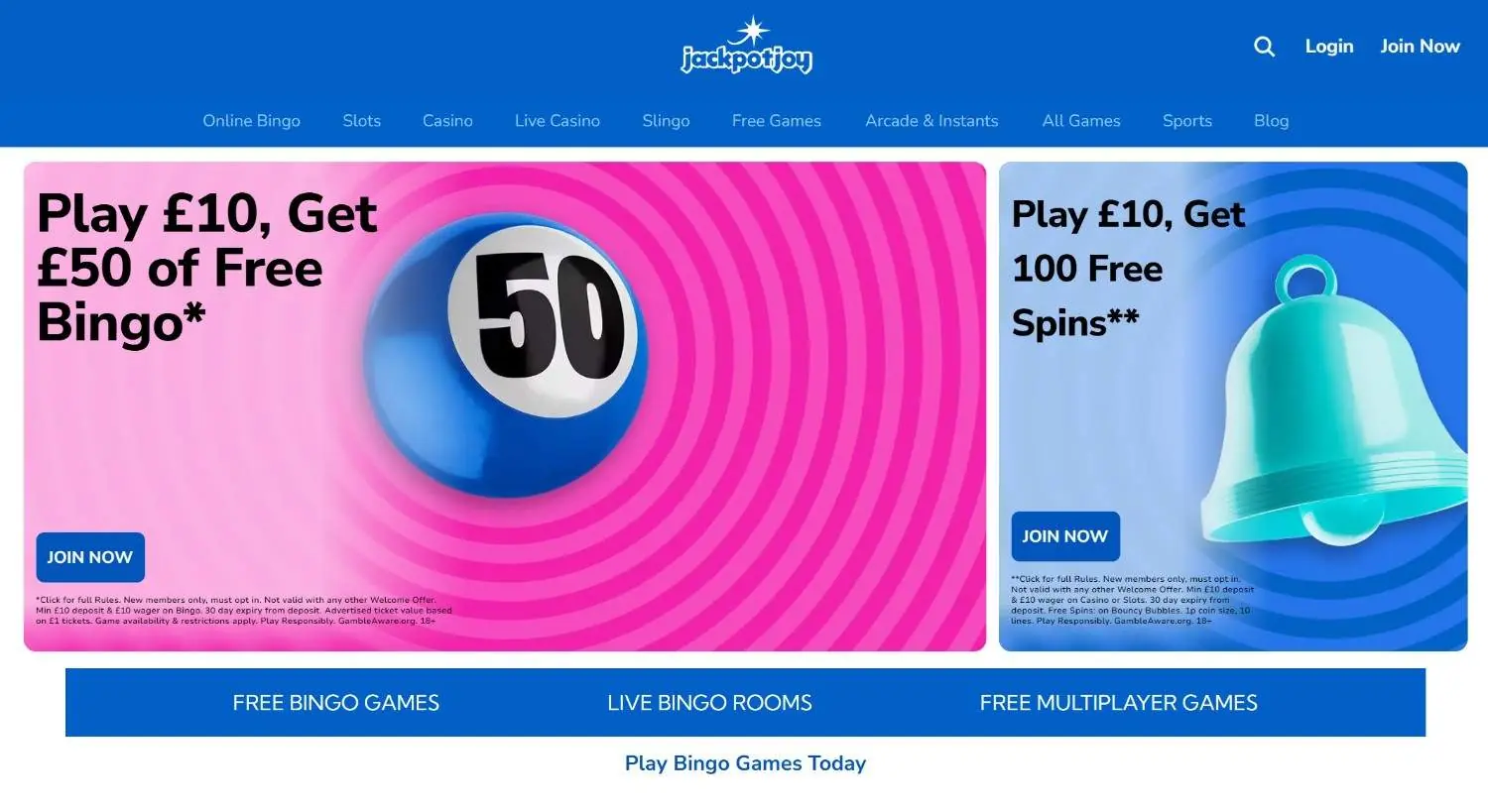
Jackpotjoy is the most established answer when players compare the Bally family, because it is the longest-running consumer brand on the same Gamesys Operations Limited account. The UKGC public register lists jackpotjoy.com as active under account number 38905, and the current Jackpotjoy footer repeats Gamesys Operations Limited, the Gibraltar office address and the same UKGC account. Jackpotjoy sister sites checks therefore point back to the same licence trail as Bally, not just a loose affiliate connection.
The product difference is clear. Bally Casino is now presented as Bally Bet Sports & Casino, with sportsbook, slots and casino in one wrapper. Jackpotjoy remains bingo-first, while still carrying slots, live casino, Slingo, arcade games and casino tables. Its homepage, checked in June 2026, advertised Play £10, Get £30 of Free Bingo and a separate 100 free spins option. The published rules for the spins offer were last updated on 4 March 2026, with a minimum £10 deposit, £10 slot wager, 30-day completion window, 30-day spin expiry and no wagering requirements on free-spin winnings.
For players comparing sites like Bally Casino, Jackpotjoy is the best within-network pick if bingo matters more than sports betting. The same group infrastructure means familiar verification, payments and responsible-gambling controls, but the user experience is warmer and more community-led. Bally wins for sports bettors and Vegas-branded casino presentation; Jackpotjoy wins for bingo depth, Slingo variety and long UK operating history. It is also the brand with the richest public player footprint, which helps when weighing Bally Casino alternatives against known Gamesys behaviour. Players comparing broader bingo-led operators can use the Bingo Hollywood review as an external benchmark before staying inside Gamesys.
| Metric | Details |
| Site Identity | Bingo-led Gamesys flagship with slots, casino and Slingo |
| What Sets It Apart | Longest-established consumer brand in this account family |
| Game Selection | Bingo, slots, Slingo, live casino and arcade titles |
| Best Bonus Feature | 100 free spins or bingo-ticket welcome path |
| Drawback | No sportsbook focus compared with Bally |
| Ideal Player | Bingo-first players who still want casino choice |
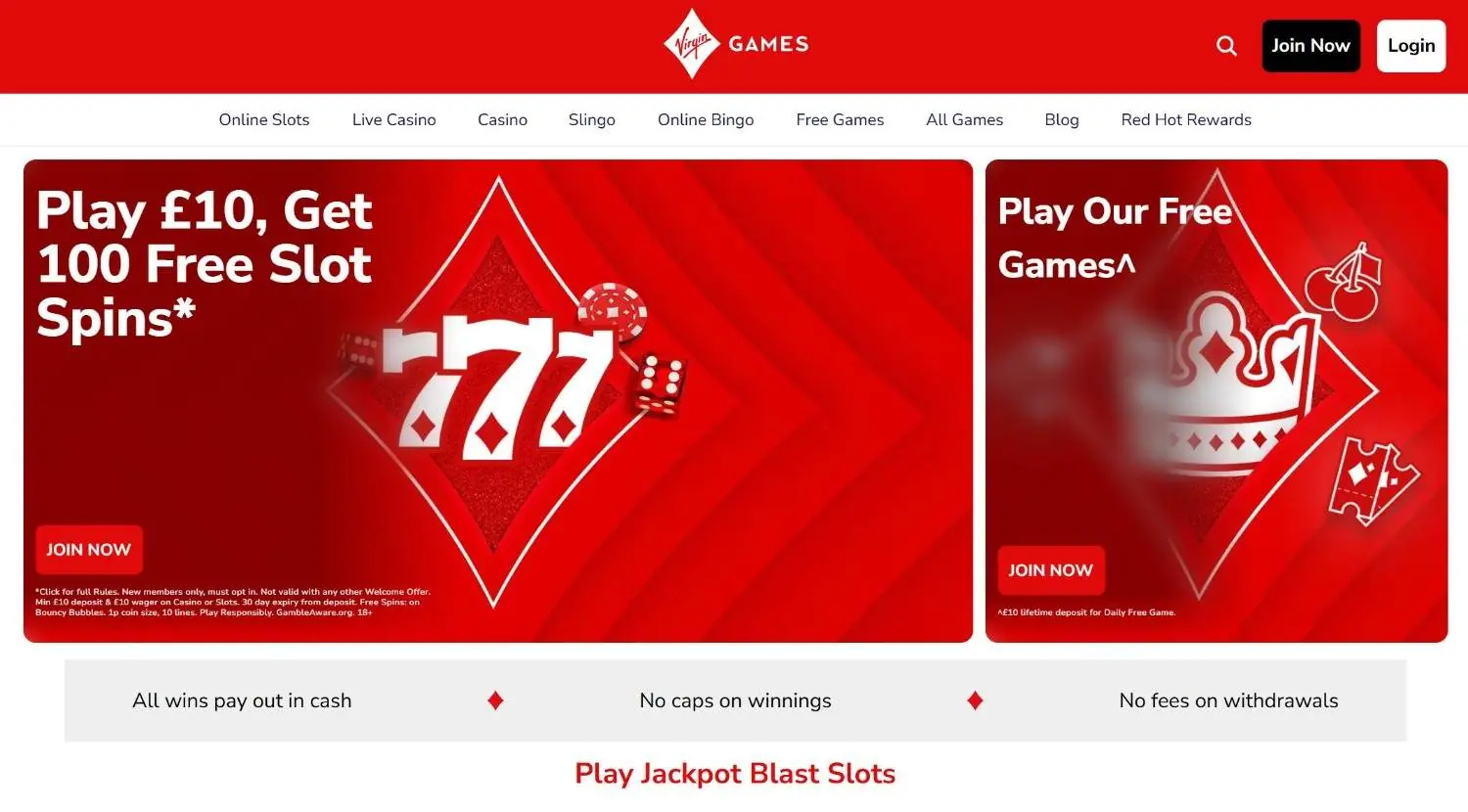
Virgin Games is the cleanest casino-led Bally Casino alternative inside the same Gamesys structure. The UKGC domain register lists virgingames.com as a white-label domain on account number 38905, and Bally's own account-closure help article names Virgin Games among the group sites linked to the same player-account trail. Virgin Games sister sites queries can therefore be answered with stronger evidence than a generic brand-family list.
The brand is useful because it removes the sports-betting layer. Bally Casino casino UK users who mainly want slots, jackpot games and live tables may find Virgin Games more direct. The product has the Virgin brand polish, a broad slots lobby, live-dealer tables and daily promotion mechanics typical of the Gamesys platform. It does not try to be the sportsbook-plus-casino hybrid that Bally is pushing through its Nottingham Forest partnership and U.S. casino heritage.
From a risk perspective, the same operator issues apply. Gamesys Operations Limited casinos share the 22 November 2023 UKGC regulatory action history, so players should expect tight verification and source-of-funds requests when activity triggers checks. The benefit is that the dispute route, ADR escalation and UKGC framework are clear. Among sites like Bally Casino, Virgin Games is the best fit for players who like the operator's cashier and game mix but do not want sports odds, bet builders or football-led promotions in the journey. The Winomania sister site alternatives page is a useful contrast when you want a non-Gamesys UKGC network with a different bonus style.
| Metric | Details |
| Site Identity | Premium white-label casino under the Gamesys UKGC account |
| What Sets It Apart | Casino-only experience with the Virgin brand |
| Game Selection | Slots, live casino, jackpots and table games |
| Best Bonus Feature | Seasonal Gamesys casino promotions |
| Drawback | No sportsbook for cross-product bettors |
| Ideal Player | Slot and live-casino players who want fewer sports prompts |

Double Bubble Bingo is the narrowest genuine member of the Bally Casino casino sister casinos group, but that focus is also its reason to exist. The UKGC register lists doublebubblebingo.com as active under Gamesys Operations Limited account number 38905. Bally's Help Centre also names Double Bubble Bingo in the group-site list that can affect linked closures and support handling. Double Bubble Bingo sister sites evidence is therefore operator-level rather than inferred.
This is not the strongest pick for a player who uses Bally mainly for sportsbook or live casino. Double Bubble Bingo is a bingo room first, supported by slots and the operator's own Double Bubble identity. That makes it useful for readers who want a softer, bingo-led environment rather than the sharper Bally Bet tone. The cashier, verification and account-management expectations should feel familiar because the underlying operator is the same.
For Bally Casino sister sites no deposit bonus intent, Double Bubble is worth checking because bingo brands often run free-game and ticket mechanics, but players should not assume a no-deposit cash bonus is live. Gamesys promotions are usually opt-in, time-limited and tied to clear qualifying actions. The safer reading is that Double Bubble is a specialist Gamesys bingo option, not a loophole for bonus hunters. It works best when the player already knows they prefer bingo rooms, community games and lower-stake sessions over Bally's sports-and-casino positioning. For a separate bingo-casino operator with a more bonus-led profile, the BubblesBet review gives a cleaner outside comparison.
| Metric | Details |
| Site Identity | Bingo-first active Gamesys brand |
| What Sets It Apart | Dedicated Double Bubble theme and bingo rooms |
| Game Selection | Bingo rooms, slots and selected casino games |
| Best Bonus Feature | Bingo-led tickets and seasonal free-game mechanics |
| Drawback | Limited appeal for sportsbook or live-table players |
| Ideal Player | Bingo players wanting a focused Gamesys site |

MONOPOLY Casino is the most distinctive of the sites like Bally Casino because it builds the same Gamesys platform around Hasbro's board-game IP. The UKGC register lists monopolycasino.com as a white-label domain on Gamesys Operations Limited account number 38905. The homepage was active in this pass using a locale override and displayed login, join, slots, casino, live casino, bingo, sports and blog navigation rather than closure language. MONOPOLY Casino sister sites evidence is also supported by Bally's own group-site help text.
The current MONOPOLY page advertised Play £10, Get 30 Free Spins on MONOPOLY Cash Is King, with a £10 deposit, £10 slot wager, 30-day expiry and 1p coin size. It also displayed a sports free-bet offer, which makes the brand more directly comparable with Bally than older summaries suggest. Game content leans into MONOPOLY Live, MONOPOLY Big Baller, MONOPOLY-themed slots, live casino, Slingo and bingo, with the homepage stating more than 900 games.
For players choosing the best Bally Casino sister site by entertainment theme, MONOPOLY Casino is a strong candidate. Bally has the American casino-and-sports identity, while MONOPOLY has a richer branded gameshow and slot angle. The practical caveat is the same across Gamesys: one account network means linked responsible-gambling controls, bonus restrictions and verification expectations can follow the player between brands. That is helpful for safety consistency, but it removes any idea that these are separate islands.
| Metric | Details |
| Site Identity | Board-game themed Gamesys white label |
| What Sets It Apart | MONOPOLY slots, live shows and app presentation |
| Game Selection | 900+ homepage claim across slots, live casino, bingo and sports |
| Best Bonus Feature | 30 free spins on a MONOPOLY slot after £10 play |
| Drawback | IP-heavy theme will not suit every player |
| Ideal Player | Players who want branded live shows and themed slots |
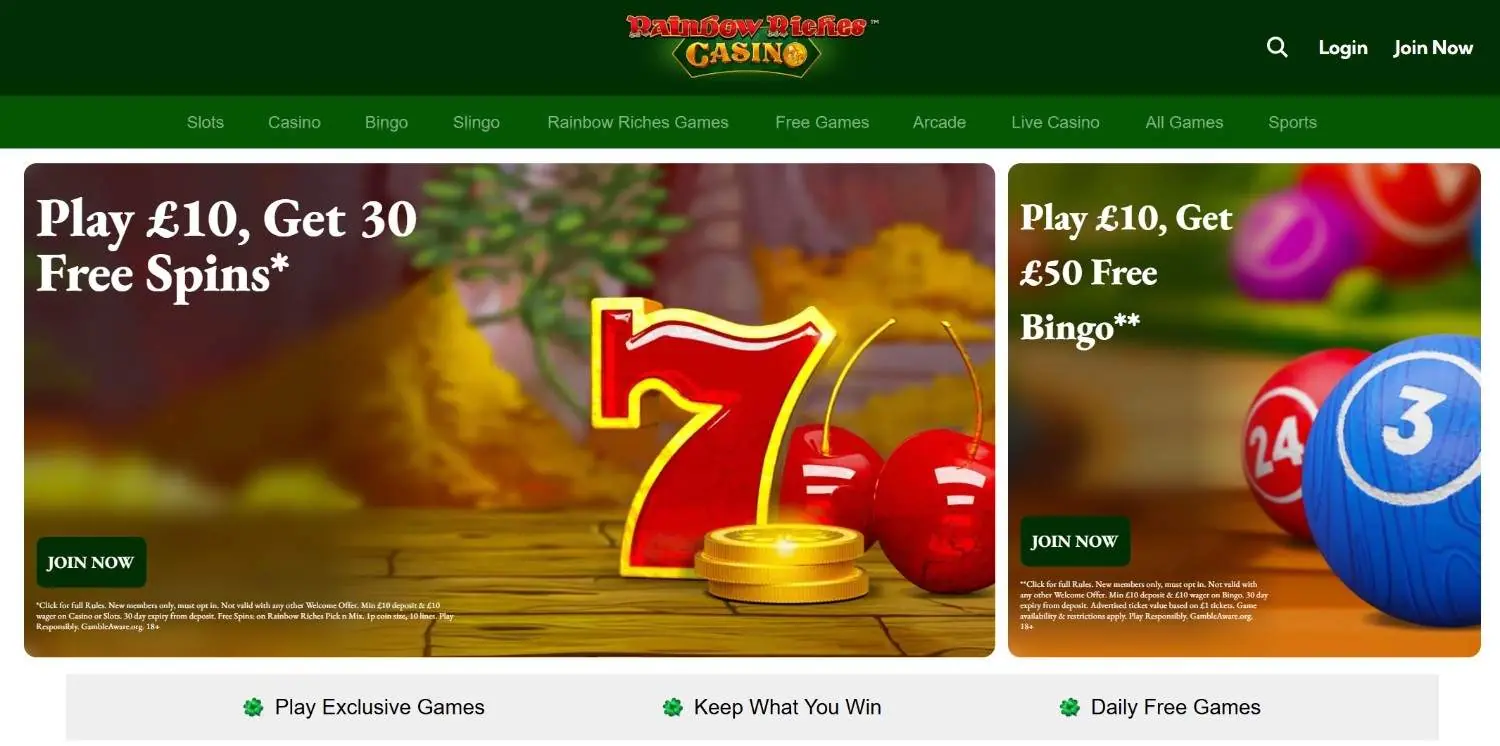
Rainbow Riches Casino completes the five-brand Gamesys set in this guide. The UKGC domain register lists multiple Rainbow Riches domains as white-label entries under Gamesys Operations Limited account number 38905, including rainbowrichescasino.co.uk and rainbowrichescasino.com. Rainbow Riches Casino sister sites research therefore ties the brand to the same account even where direct homepage access is more locale-sensitive than Bally, Jackpotjoy or MONOPOLY.
The product angle is simple: Rainbow Riches Casino is for players who arrive through a specific slot universe. Bally spreads its attention across sportsbook, Vegas-style casino rooms, progressive jackpots and live tables. Rainbow Riches puts the famous slot series closer to the centre of the room. That makes it a narrower but clearer Bally Casino alternative for players who spend most sessions on slot variants and branded jackpot games.
The limitation is breadth. If you want the largest sports-and-casino blend, Bally remains the stronger within-network option. If you want bingo, Jackpotjoy and Double Bubble are cleaner fits. Rainbow Riches is strongest as a specialist slot-IP destination inside the same account family. It is also a reminder that Bally Casino sister companies can share operator controls while feeling very different at product level: one licence account, one corporate compliance trail, but sharply different front-end themes.
| Metric | Details |
| Site Identity | Rainbow Riches slot-IP white-label casino |
| What Sets It Apart | Focused home for Rainbow Riches games |
| Game Selection | Slots, jackpot titles and casino games under Gamesys |
| Best Bonus Feature | Seasonal slot promotions around the Rainbow Riches identity |
| Drawback | Narrower theme than Bally or MONOPOLY |
| Ideal Player | Slot fans who prioritise Rainbow Riches variants |
We checked the UKGC public register, Gamesys and brand homepages, Bally help pages, Casino Guru, Trustpilot and Casinomeister in June 2026. We test a representative subset of network brands at any given time, using fresh-account journeys where available, £20-£50 deposit checks, cashier walkthroughs, support-contact checks and withdrawal-timing evidence from public player records. Some cashier data remains login-gated, so payment ranges combine operator pages, Casino Guru, Casinomeister and live homepage evidence.
Bally's current casino welcome offer is simple: deposit at least £10, wager £10 on slots within the offer window, then receive 30 free spins on Eye of Horus Legacy of Gold. The homepage states 1p coin size, 10 lines and 30-day expiry. If the spins return £12, that £12 is not subject to further free-spin wagering in the published offer wording, though normal account and withdrawal checks still apply.
The worked example is £10 deposit, £10 cash slot wager, 30 spins credited, then any spin winnings added after the spins are played. This is much cleaner than older 30x or 40x bonus structures, and our wagering requirements guide explains why lower multipliers make bonus value easier to audit. UKGC LCCP SR Code 5.1.1 limits wagering requirements to 10x where it applies from January 2026, so Gamesys's zero-wagering free-spin format is easier to understand. Players comparing no-wager spin mechanics can also use our free spins casinos UK hub for broader offer patterns. A Bally Casino sister site may show a different welcome mechanic, so check the brand's own offer page before opting in.
Bally Casino wins on sportsbook integration. Jackpotjoy wins on bingo depth. Virgin Games is the simpler casino-only sibling. Double Bubble Bingo is the niche bingo pick. MONOPOLY Casino wins on branded live games and themed slots. Rainbow Riches Casino wins when the player wants the Rainbow Riches slot world up front rather than as one category.
No evidence in this pass shows a major new Gamesys casino launch in 2026. The network looks stable rather than expanding quickly. Our low wagering casinos page adds a second benchmark for players prioritising simple bonus maths. The main recent shift is Bally's stronger Bally Bet positioning, with sports betting pushed beside casino content. For the leading Bally shortlist, Jackpotjoy and MONOPOLY Casino are the two most useful contrasts: one proves the group's bingo heritage, while the other shows its IP-led casino strategy.
| Payment Method | Min Deposit | Max Deposit | Withdrawal Time | Fees |
| Visa Debit | £10 reported by Bally mobile guide | Account and method limits apply | 0-5 days | No operator fee found |
| Mastercard Debit | £10 reported by Bally mobile guide | Account and method limits apply | 0-5 days | No operator fee found |
| Apple Pay | £10 reported by Bally mobile guide | Account and method limits apply | 0-24 hours reported by Casinomeister | No operator fee found |
| Google Pay | £10 reported by Bally mobile guide | Account and method limits apply | 0-24 hours reported by Casinomeister | No operator fee found |
| Bank Transfer | Withdrawal route, deposit availability varies | Account and method limits apply | 0-5 days | No operator fee found |
The best route for many UK players is the fastest verified method already accepted on their own account, while our fast withdrawal casinos UK page sets expectations for speed-focused comparisons. Casino Guru lists Mastercard, Visa Debit, online bank transfer, Apple Pay and Google Pay for Bally Casino, while Casinomeister also reports no withdrawal fees. Complete verification early because Gamesys can request extra evidence before deposits or withdrawals. This matters most when withdrawal timing decides the experience. For a different cashier profile, the MrJones Casino review shows how payment checks can feel on a separate UKGC brand.
| Site | Top 5 Providers | Approx. Game Count | Live Dealer Available |
| Bally Casino | NetEnt, Blueprint, IGT, Evolution, Pragmatic Play | 28 providers and 900+ operator homepage claim | Yes |
| Jackpotjoy | Gamesys, Blueprint, Eyecon, Slingo, Evolution | 900+ platform-style range across bingo, slots and casino | Yes |
| Virgin Games | NetEnt, Evolution, Gamesys, Red Tiger, Blueprint | Broad Gamesys casino range | Yes |
| Double Bubble Bingo | Gamesys, Eyecon, Blueprint, Slingo, Evolution | Smaller bingo-led range | Limited compared with Bally |
| MONOPOLY Casino | Gamesys, Evolution, Light & Wonder, Blueprint, Slingo | 900+ homepage claim | Yes |
| Rainbow Riches Casino | Light & Wonder, Gamesys, Blueprint, Eyecon, Evolution | Focused slot-led range | Yes |
Casino Guru's Bally page lists 28 providers and confirms a Gamecheck signal stating that checked games showed no fake games. Provider overlap is high because these are Gamesys Operations Limited casinos, but the front-end curation differs sharply. Bally and MONOPOLY feel broadest; Double Bubble and Rainbow Riches are more theme-specific. For players who mainly compare dealer tables, our live casino UK hub gives a broader table-game benchmark.
| Site | Licence Body | UKGC Licence No. | Self-Exclusion Available | RNG Testing |
| Bally Casino | UKGC and Gibraltar | UKGC account number 38905 | UKGC remote-casino self-exclusion options | Gamecheck no fake games found on checked sample |
| Jackpotjoy | UKGC and Gibraltar | UKGC account number 38905 | UKGC self-exclusion options | Independent RNG testing stated in site FAQ |
| Virgin Games | UKGC and Gibraltar | UKGC account number 38905 | UKGC self-exclusion options | Gamesys platform testing controls |
| Double Bubble Bingo | UKGC and Gibraltar | UKGC account number 38905 | UKGC self-exclusion options | Gamesys platform testing controls |
| MONOPOLY Casino | UKGC and Gibraltar | UKGC account number 38905 | UKGC self-exclusion options | Gamesys platform testing controls |
| Rainbow Riches Casino | UKGC and Gibraltar | UKGC account number 38905 | UKGC self-exclusion options | Gamesys platform testing controls |
The UKGC public register is the primary licence source here. Gamesys Operations Limited holds active remote bingo, casino, real-event betting and virtual-event betting permissions under account number 38905. The gambling licences guide explains how account numbers differ from individual trading names. The same register records a 22 November 2023 regulatory action: a £6,071,292 financial penalty, warning and additional licence condition for AML and social-responsibility failures between November 2021 and July 2022. For players today, the practical implication is tighter KYC, source-of-funds checks and withdrawal-evidence requests. For dispute escalation, use the operator complaint process first, then eCOGRA as the approved ADR route if unresolved. The Gambling Commission also publishes Gambling Commission public guidance for checking whether a business is licensed.
The most important practical step is to treat verification as part of registration rather than something to handle only after a win. Keep photo ID, address evidence and payment-method ownership records consistent across the group. If you move between brands, avoid changing details casually, because mismatched names, addresses or funding sources can slow withdrawals across linked accounts. This is especially relevant on a multi-product operator where sports, bingo and casino play can all contribute to affordability and AML review triggers.
Trustpilot is the harshest signal. Ballycasino.co.uk showed 1.4/5 from 200 reviews in June 2026, with 90% one-star reviews on the visible Trustpilot breakdown. Recent complaints focused on verification friction, slow withdrawal approval, sports-odds dissatisfaction, account closure and slot-session disputes. Casino Guru is more positive on formal safety, giving Bally Casino 8.8/10 High, but its page also shows Mixed user feedback, 12 user reviews, seven direct complaints and 8,175 black points.
Casinomeister gives Bally Casino 8/10 and labels it grey zone new, with no complaints on record in the review text, although the page lists forum threads including a disputed winnings topic. That mix is why the editorial trust rating should not copy one source. The best reading is a financially large, properly licensed UK operator with a strong formal safety score, but a poor public customer-review pattern around withdrawals and account checks.
| Source | What Players Praise | What Players Criticise |
| No reliable UK-specific Bally Casino pattern found in June 2026 checks | U.S.-focused Bally Bet threads are not reliable evidence for the UK site | |
| Trustpilot | Small minority praise quick entertainment and familiar brand access | 1.4/5 from 200 reviews; verification and withdrawals dominate criticism |
| AskGamblers | No reliable Bally Casino UK review page found in this pass | No dependable Bally-specific complaint count verified |
| Casino Guru | 8.8/10 High Safety Index; no blacklist finding; very large operator estimate | Mixed user feedback, seven direct complaints and 8,175 black points |
The sentiment split is unusually wide. Players affected by gambling harm can also use BeGambleAware for independent support resources. Casino Guru's formal model is positive because Bally is large, licensed and not blacklisted, but Trustpilot users are overwhelmingly negative. That is the key Bally Casino review takeaway: do not treat the UKGC account and high Safety Index as a guarantee of smooth withdrawals. Prepare documents early. Players who want a smaller-brand complaint contrast can read the 50Crowns review before deciding how much weight to put on public sentiment.
The complaints also show why offer simplicity is not the whole story. Zero-wagering spins are easier to audit than matched-bonus balances, but account reviews can still pause withdrawals if the operator wants fresh evidence. A player who values speed should focus less on headline bonuses and more on clean account data, realistic deposit limits and payment methods that can be verified quickly. That is a more useful risk control than switching between brands whenever a promotion changes.
The best within-network pick is Jackpotjoy if you want the safest-feeling move inside the same operator family. It has the deepest UK track record, a clear bingo identity and enough casino content to keep the experience broad. If your priority is branded live shows and slots, MONOPOLY Casino is the stronger Bally Casino similar sites pick.
The best non-sister alternative is 888 Casino for players who want a different UKGC operator rather than another Bally Casino sister site option. A different low-profile comparison is the Luckster review, which is useful when public complaint handling matters more than brand heritage. It is not one of the sister sites of Bally Casino, so it should be treated as an external comparison, not a shared-account brand.
These Gamesys options are worth comparing if you like the platform but want a different front-end emphasis. Jackpotjoy is best for bingo, Virgin Games for straightforward casino, Double Bubble for bingo focus, MONOPOLY Casino for branded games and Rainbow Riches Casino for slot-IP loyalty. There are five genuine sister sites of Bally Casino in this guide; no padding with unrelated brands is needed.
The risk framing is mixed rather than simple. Gamesys is licensed, active and formally strong enough for Casino Guru's 8.8/10 High score, but player-review sentiment is weak and the 2023 UKGC action matters. Pick the right Bally option for your game preference, set limits before play, and complete your KYC verification immediately after registration.

Olivia Cox
Sister Sites Researcher
Olivia tracks UK casino sister-site networks for WagerPals — mapping which brands share authorisations, parent companies, and player-protection terms. She works from public authorisation registers and operator filings, with a particular eye for offshore/UKGC ownership splits.