
















Gala Spins sister sites sit under LC International Limited, part of Entain, on UKGC account number 54743. The wider live sibling set includes Gala Bingo, Gala Casino, Foxy Bingo, Foxy Games, Coral, Ladbrokes, bwin, PartyCasino, PartyPoker, Gamebookers and Sportingbet; external alternatives are covered separately.
| Detail | Info |
| Full Legal Name | LC International Limited |
| Parent Company | Entain plc |
| Primary Licence(s) | UKGC account number 54743; Government of Gibraltar licence numbers 010 and 012 |
| Active Casino / Gaming Brands | 13 active UKGC domain entries including galaspins.com |
| Sister-Site Count | 12 active sibling domains besides galaspins.com |
| Casino Guru Safety Index | 7.4/10 (Above average, checked May 2026) |
| Trustpilot Rating | 1.6/5 from 512 reviews, checked May 2026 |
| Last Checked | May 2026 |
Gala Spins is a current trading name on the UK Gambling Commission public register for LC International Limited. The register lists the operator at Suite 6, Atlantic Suites, Gibraltar, with account number 54743. The same register shows active remote casino, bingo, real-event betting, virtual-event betting, pool betting and betting intermediary permissions, so the operator is not being inferred from affiliate maps or old brand ownership notes.
The most important live product change is that galaspins.com now resolves into Gala’s casino-games area at galabingo.com/en/spins. The page still carries the Gala Spins intent: slots, live game shows, casino table games, scratch and instant games, jackpot reels and promotions. Its FAQ says Gala Bingo and Gala Spins are coming together for a smoother experience, while Gala Casino operates separately.
The UKGC register is the controlling source for the Gala Spins related casinos answer. It lists active trading names including bwin, coral, foxy bingo, foxy games, gala bingo, gala casino, gala spins, game bookers, ladbrokes, party casino, party poker and sporting bet. Its domain page lists galaspins.com alongside galabingo.com, galacasino.com, foxybingo.com, foxygames.com, coral.co.uk, ladbrokes.com, bwin.com, partycasino.com and other active LC International domains.
That means the sister sites of Gala Spins are not guessed from shared games, shared TV adverts or the old Gala brand history. For Great Britain, the clean test is the UKGC account trail. Gala Bingo, Gala Casino, Foxy Bingo, Foxy Games and PartyCasino are profiled below because they are gaming-led siblings with active domains under the same account. Coral, Ladbrokes, bwin, Gamebookers, PartyPoker and Sportingbet are also in the wider account family but are less direct for a slots-first Gala Spins reader.
Casino Guru’s direct Gala Spins Casino review gives a 7.4/10 Safety Index and the verbal tier “Above average”, checked live in this run. That score is useful but not a substitute for the UKGC register. Trustpilot is much weaker at 1.6/5 from 512 reviews, so the trust picture is mixed rather than simple.
For early comparison context, Ladbrokes sister sites are part of the same LC International account but are sportsbook-led.
Kitty Bingo sister site alternatives are external comparison routes, not direct Gala Spins sisters.
| Brand | Relationship | Licence / Operator | Welcome Offer | Payment / Withdrawal Note | Top Feature |
| Gala Bingo | Same LC International account | LC International Limited, UKGC account number 54743 | GBP 40 bingo bonus after GBP 10 deposit and GBP 10 bingo spend; 2x wagering | Same operator account trail; exact cashier view should be checked before deposit | Bingo-first Gala product with slots and live games |
| Gala Casino | Same LC International account | LC International Limited, UKGC account number 54743 | Live page showed slot tournaments and cash rewards rather than a clean new-customer block | Same operator account trail; location handling can change displayed currency | Dedicated Gala casino and live-table lobby |
| Foxy Bingo | Same LC International account | LC International Limited, UKGC account number 54743 | Choose GBP 20 bingo bonus or 100 free spins after GBP 10 deposit and spend | UKGC domain confirms GB status; fetched footer varied by location | Bingo community with Foxy Dollars rewards |
| Foxy Games | Same LC International account | LC International Limited, UKGC account number 54743 | Public games route folds into Foxy Bingo’s casino-games area | UKGC domain confirms GB status; exact cashier should be checked live | Slots and casino games powered by the Foxy brand |
| PartyCasino | Same LC International account for GB domain status | LC International Limited, UKGC account number 54743 in GB register | Fetched page did not expose a clean UK welcome block in this pass | UKGC lists partycasino.com as active; fetched footer showed location-specific MGA text | Broad casino, live casino, table games and poker-adjacent brand history |
These are genuine Gala Spins casino sister sites because the UKGC public register ties the domains or trading names to LC International Limited account number 54743. The article does not treat shared slot suppliers, shared payment brands or third-party “also owned by” lists as proof on their own.
There is still a practical distinction between a direct sister site and a useful alternative. Bonus Boss related casinos are outside the LC International account map and should not be mixed into the sister-site count.
Starspins sister brands, Paradise 8, Kingdom Casino pages and Cosmobet comparisons can be helpful when comparing tone, bonuses or risk, but they are not sister sites for Gala Spins. Disco Win casino alternatives sit in the same external-comparison category.
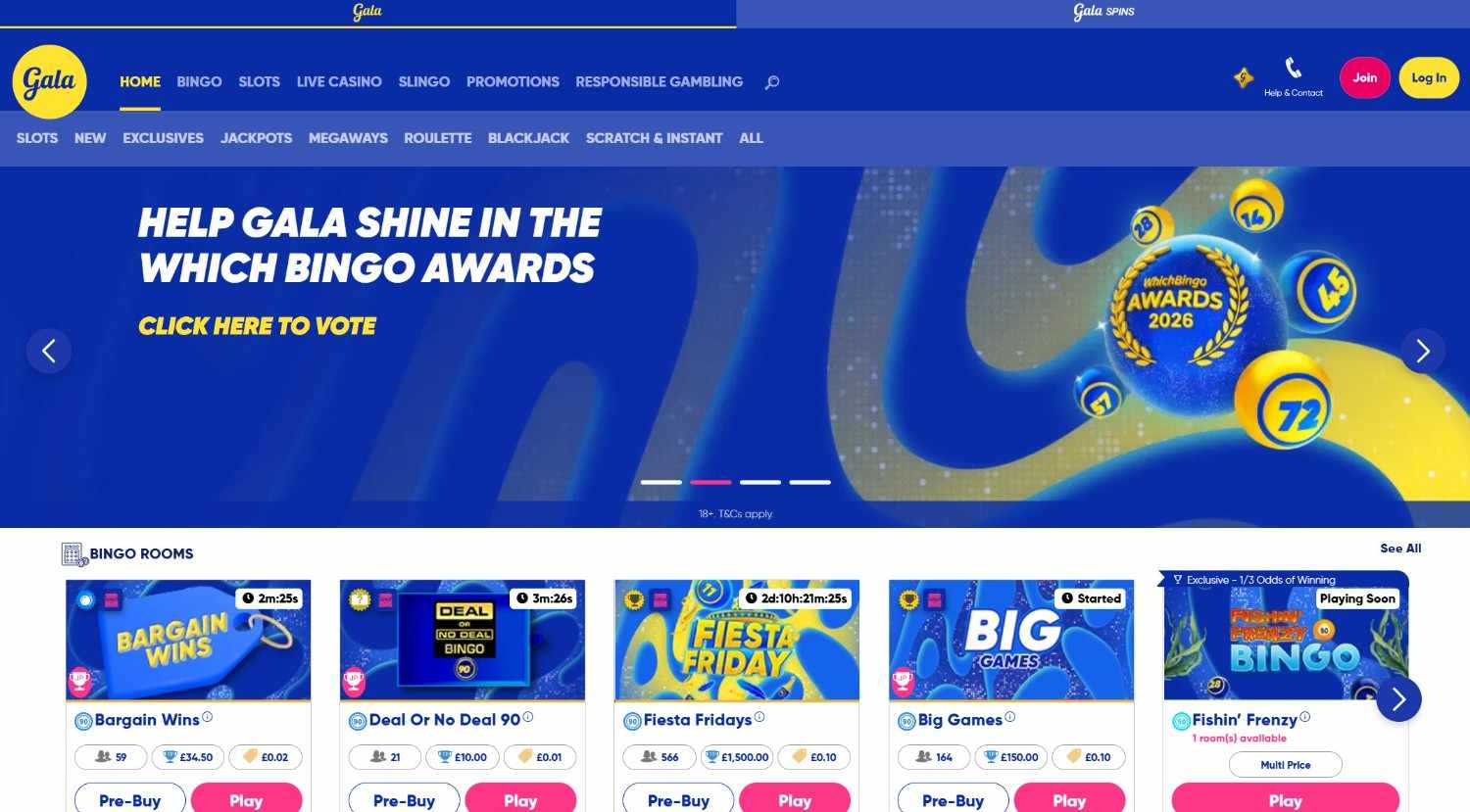
Gala Bingo is the closest Gala Spins sister site because the current galaspins.com route lands inside the Gala Bingo domain. The live Gala Bingo page presents bingo rooms, slots, live casino, Slingo, promotions and safer-gambling tools under one account experience. It is not just historically connected to Gala Spins; the current user journey makes the connection visible.
The live welcome block for Gala Bingo says new customers can get a GBP 40 bingo bonus after a minimum first deposit of GBP 10 and GBP 10 of bingo spend within 7 days of registration. The visible rules say the bonus has 2x wagering, must be claimed within 7 days and is valid for 7 days. That is a bingo-led offer, so slot-first players should compare it with the Gala Spins route before registering.
Gala Bingo is strongest for players who still want the social side of the Gala brand. Its live lobby shows 90-ball, 80-ball, 75-ball, 50-ball and faster bingo formats, alongside online slots and live game shows. The ticket prices and room details in the fetched page make it easier to judge bingo cost before play, although the page also showed some euro lobby values because of location handling.
For players searching casinos like Gala Spins, Gala Bingo is not a separate operator answer. It is the most closely integrated member of the same account family. The upside is continuity: one familiar Gala style, a broad bingo schedule and slot categories in the same environment. The drawback is that the same LC International account-level reputation follows the brand.
An 888 Ladies review belongs in a different bingo comparison, not inside the LC International sister-site count.
| Metric | Details |
| Site Identity | Bingo-first Gala site that now hosts the Gala Spins route |
| What Sets It Apart | Closest current product connection to galaspins.com |
| Game Selection | Bingo rooms, slots, Slingo, live game shows and casino tables |
| Best Bonus Feature | GBP 40 bingo bonus after GBP 10 deposit and GBP 10 bingo spend |
| Drawback | Bingo-led bonus may not suit slots-only players |
| Ideal Player | Gala Spins players who want bingo and slots in the same Gala environment |
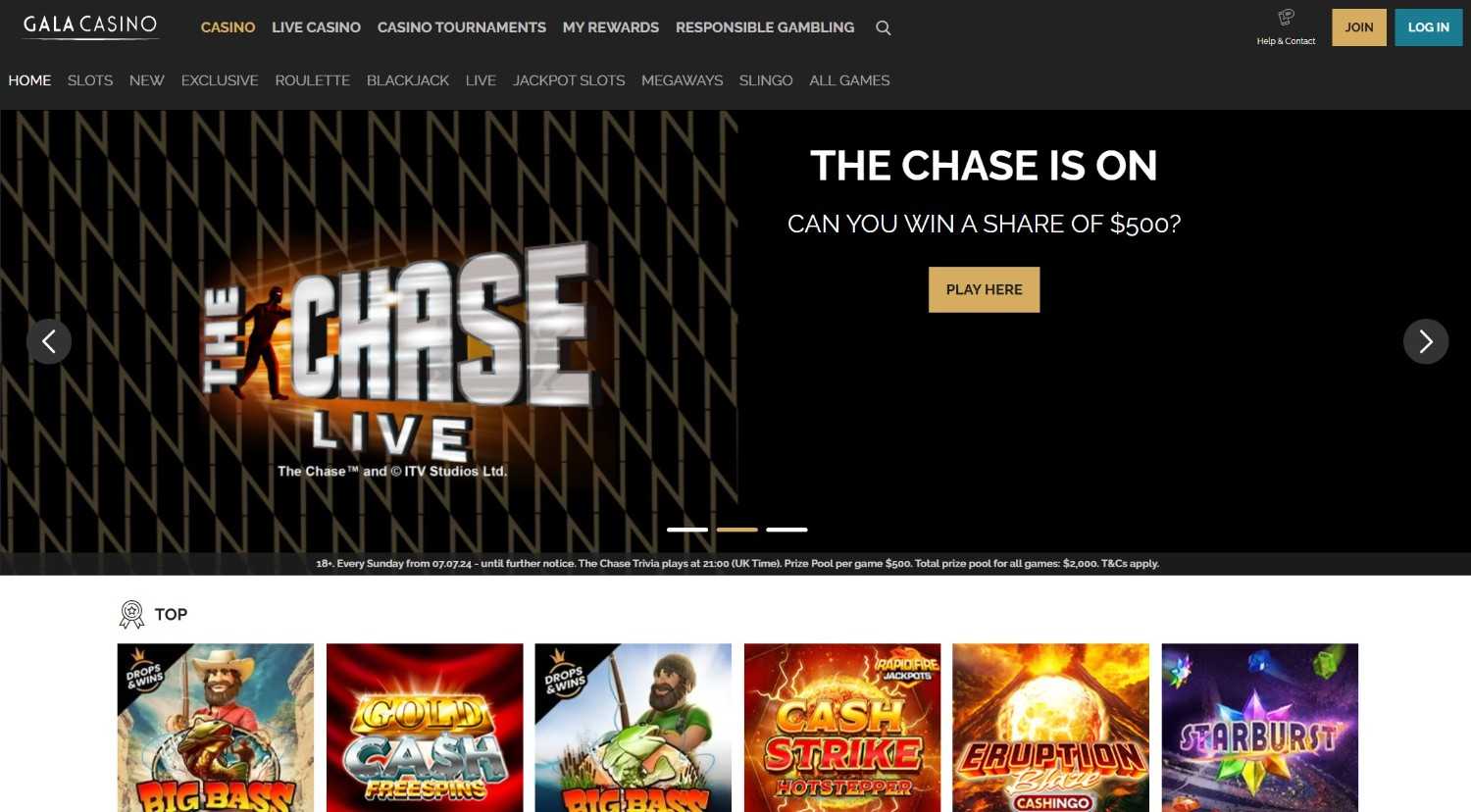
Gala Casino is the more traditional casino branch of the same Gala family. The UKGC register lists galacasino.com as an active domain under LC International Limited account number 54743, and the fetched Gala Casino footer names LC International Limited with Gibraltar licence numbers 010 and 012. That gives a clean sister-site trail for Great Britain.
The product difference is important. Gala Spins is now presented through a slots-heavy Gala route, while Gala Casino is built around casino categories: slots, new games, exclusive titles, roulette, blackjack, live tables, jackpot slots, Megaways and Slingo. The fetched page listed live roulette, live blackjack and game-show products, plus slot categories such as Big Bass Splash, Big Bass Bonanza, Starburst and Gala-exclusive titles.
The live page did not expose a clean new-customer welcome package in the same way Gala Bingo and Foxy Bingo did. Instead, it promoted free slots tournaments and recurring rewards such as cash rewards after qualifying slot spend. That is why exact welcome claims should be checked on the live registration route rather than copied from older third-party summaries.
Gala Casino is probably the best Gala Spins sister site for a reader who wants more live-dealer and table-game emphasis without leaving the Gala brand. The drawback is that it does not solve operator-level concerns. Trustpilot complaints about Gala products, Casino Guru’s 7.4/10 score for Gala Spins and the UKGC account status all sit in the same broader evidence set.
The Pink Casino comparison is a separate-operator benchmark for players who want a different brand family.
External sites like Paradise 8 belong in the same bucket rather than the Gala Spins sister count.
| Metric | Details |
| Site Identity | Dedicated Gala casino lobby under the LC International account |
| What Sets It Apart | Stronger live-table and classic casino focus than Gala Spins |
| Game Selection | Slots, roulette, blackjack, live tables, Slingo and jackpots |
| Best Bonus Feature | Public page highlighted tournaments and cash rewards in this pass |
| Drawback | Clean current welcome rules were not visible enough to quote |
| Ideal Player | Gala Spins readers who want live casino and table-game depth |
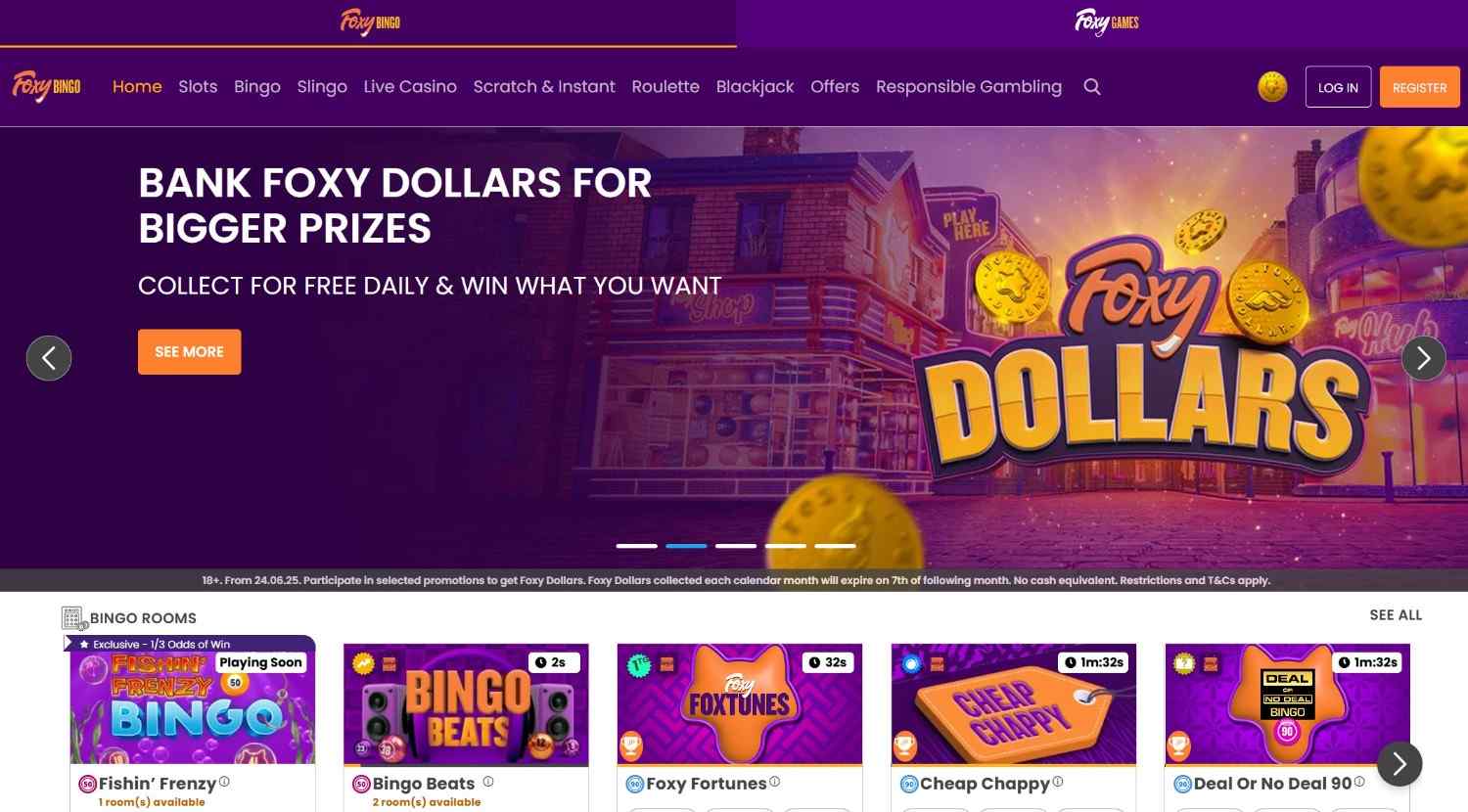
Foxy Bingo is a genuine sister site of Gala Spins because the UKGC register lists foxybingo.com and the foxy bingo trading name under LC International Limited account number 54743. The current public page is brighter and more character-led than Gala, but the licence trail is the same for Great Britain.
The fetched Foxy Bingo homepage showed a clear welcome choice: new customers can select either a GBP 20 bingo bonus with 2x wagering or 100 free spins, after depositing and spending GBP 10. The page says one offer must be selected before registration. It also promotes Foxy Dollars, daily offers, bingo rooms, casino slots, Slingo, live casino, scratch games and safer-gambling controls.
Foxy Bingo is useful for players who want the best Gala Spins sister sites to include a more playful bingo community. It has themed bingo rooms, chat-led rooms and low ticket prices visible in the lobby. Its slots are also presented as powered by Foxy Games, which means players can move between bingo and casino content without changing the wider operator family.
The caution is footer and location handling. The fetched Foxy pages displayed Martingale Europe Limited and MGA text, even though the UKGC public register lists the Foxy domains under LC International for Great Britain. For this article, the UKGC register controls the sister-site status. Players should still check the legal footer and cashier presented to their own account before depositing.
Nine Casino profile research is useful for a different-operator comparison, but it is not part of the Gala network.
Kingdom Casino sister site options can also help with outside-network shopping, provided they are not presented as LC International siblings.
| Metric | Details |
| Site Identity | Bingo-led Foxy brand on the LC International UKGC account |
| What Sets It Apart | More playful bingo community and Foxy Dollars rewards |
| Game Selection | Bingo, slots, Slingo, live casino and scratch games |
| Best Bonus Feature | Choice of GBP 20 bingo bonus or 100 free spins |
| Drawback | Location handling can show non-UK footer text before login |
| Ideal Player | Gala Spins players who want a brighter bingo-first sister site |
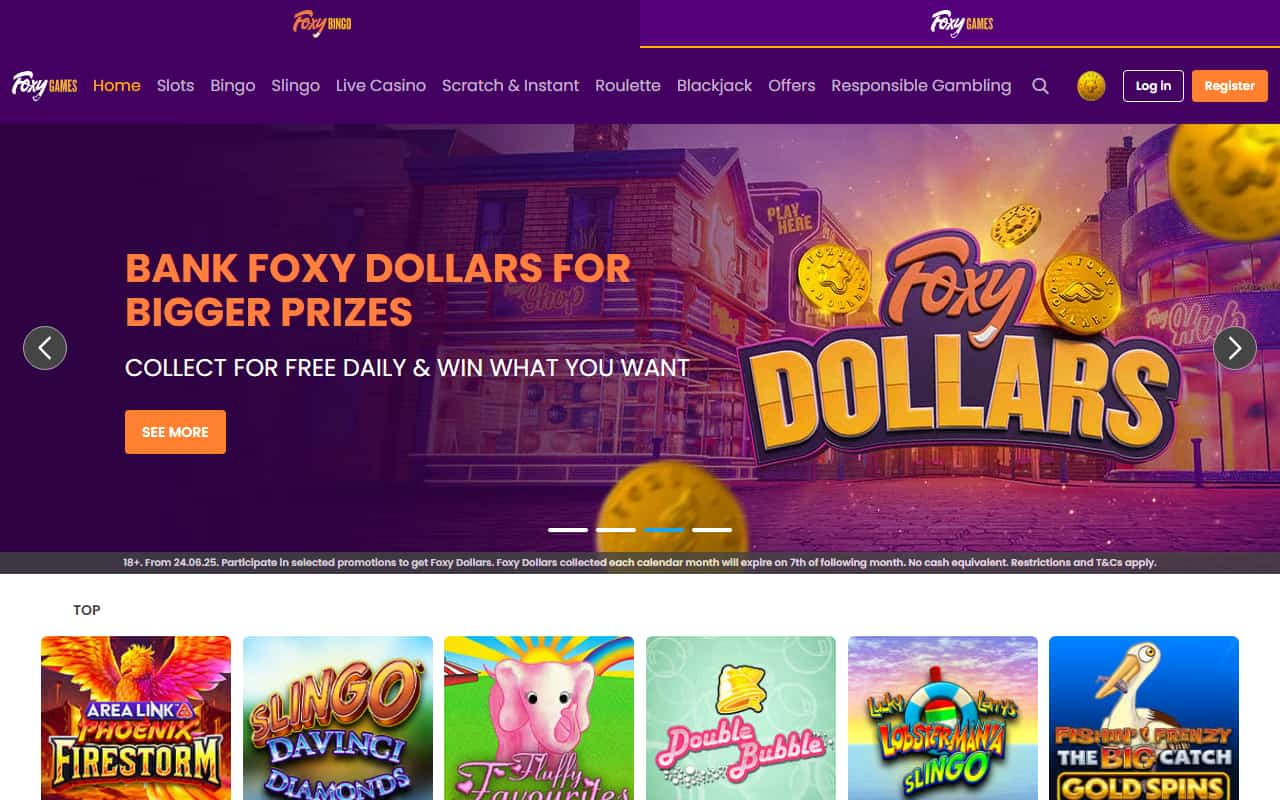
Foxy Games is the casino-games side of the Foxy brand, and the UKGC domain page lists foxygames.com as active under LC International Limited. In the fetched route, foxygames.com redirected into the Foxy Bingo games section, which mirrors the Gala Spins and Gala Bingo consolidation pattern. The brand remains useful because it describes the casino-game layer that sits behind Foxy’s bingo product.
The games page showed slots, new games, Megaways, jackpots, scratch and instant games, Slingo, roulette, blackjack and live casino navigation. The open text also said one Foxy Bingo account gives access to bingo rooms, slots, Slingo, live casino and instant wins. That makes Foxy Games one of the more natural Gala Spins alternatives inside the same operator family for players who mostly care about slots.
The welcome offer is best understood through the Foxy Bingo registration block, because the games route did not present a separate clean Foxy Games sign-up package in the fetched page. New customers can choose the free-spins route if that is better than the bingo-bonus route, but the choice must be made before registration.
Foxy Games works when a player wants another LC International casino layer without moving into sportsbook-heavy brands such as Coral or Ladbrokes. It does not work when the aim is a different operator, a different complaint pathway or a different account-level safer-gambling framework.
Avantgarde payout notes can help benchmark separate casino operators, but it does not change the Foxy Games relationship.
Jettbet bonus notes belong in the same outside-network comparison bucket, not in the Foxy Games sister-site proof.
| Metric | Details |
| Site Identity | Foxy casino-games route tied to the same UKGC account |
| What Sets It Apart | Slots-first layer behind the Foxy Bingo brand |
| Game Selection | Slots, Slingo, scratch games, roulette, blackjack and live casino |
| Best Bonus Feature | 100 free spins option through the Foxy welcome choice |
| Drawback | Public route folds into Foxy Bingo rather than a fully separate site |
| Ideal Player | Slots fans who like Gala Spins but want Foxy’s theme |
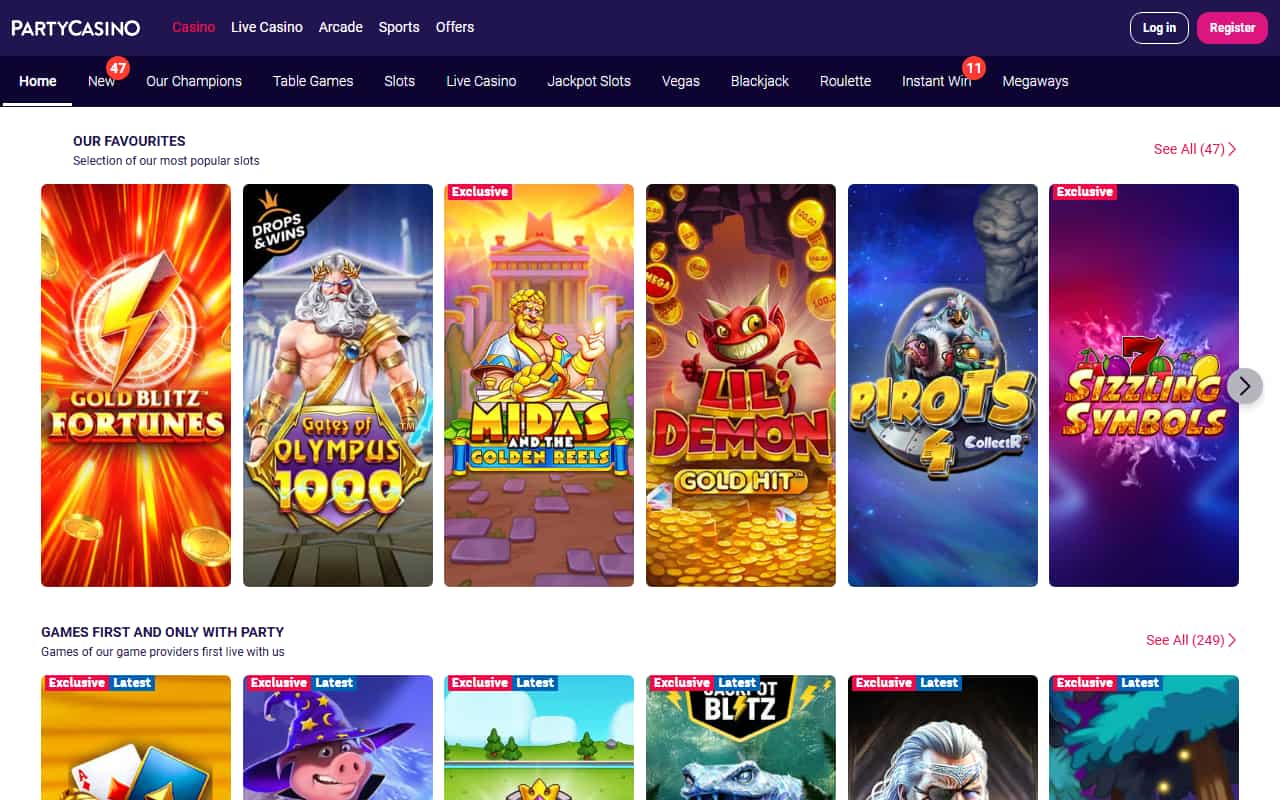
PartyCasino is a wider Entain casino brand and the UKGC domain page lists partycasino.com as active under LC International Limited account number 54743. The brand also appears as party casino in the active UKGC trading-name list. That makes it a genuine sister in the Great Britain account trail, even though its fetched public homepage displayed location-specific MGA footer language.
The product is broader and less Gala-like than the other profiled brands. PartyCasino presents online slots, blackjack, roulette, video poker, instant-win games, jackpot slots, new games, table games and live casino. The page also has a poker-adjacent brand history because PartyPoker sits in the same wider UKGC trading-name list, although PartyPoker itself is not profiled as a casino sister here.
PartyCasino is useful for readers comparing casinos like Gala Spins who want the same UKGC account trail but a less bingo-led interface. It is not the best fit for players who specifically want Gala’s softer bingo and slot style. It is a better fit for players who want a traditional casino lobby, table games and a bigger international brand feel.
The main caution is evidence handling. Because the fetched homepage responded with non-UK legal-footer text, this article avoids quoting a UK welcome offer from that page. The direct UKGC domain evidence is strong enough for sister-site status, but exact account terms should be checked in the player’s own registration view.
A Kinghills Casino review is an external reference point for players comparing independent casino tone.
Cosmobet partner sites are another external route, not a PartyCasino or Gala Spins sister signal.
| Metric | Details |
| Site Identity | Broad Party-branded casino in the UKGC account family |
| What Sets It Apart | Larger casino lobby and international brand feel |
| Game Selection | Slots, live casino, blackjack, roulette, table games and instant wins |
| Best Bonus Feature | Current UK offer was not cleanly visible in this pass |
| Drawback | Fetched public page showed location-specific non-UK footer text |
| Ideal Player | Gala Spins players who want a less bingo-led casino sister |
Gala Bingo wins on proximity because it now hosts the Gala Spins route. Gala Casino wins on live tables and a more traditional casino lobby. Foxy Bingo wins on bingo personality and welcome-offer choice. Foxy Games wins for a slots-first reader who likes the Foxy brand. PartyCasino wins when the player wants a broader casino brand inside the same UKGC account family.
Coral, Ladbrokes and bwin remain important unprofiled siblings, but they are more sports-led than the five gaming brands above. PartyPoker is relevant to poker players, while Gamebookers and Sportingbet sit further from the likely Gala Spins search intent. The network is large, so the best Gala Spins sister site depends on whether the player wants bingo, slots, live casino or sportsbook crossover.
| Payment Detail | Evidence Checked May 2026 |
| Gala Spins deposit route | Live operator route requires account-level cashier check |
| AskGamblers deposit methods | Payz, Maestro, MasterCard, Neteller, PayPal, Paysafecard, Visa, Skrill, bank transfer, Apple Pay and Google Pay |
| AskGamblers withdrawal methods | Bank transfer, Maestro, MasterCard, Visa and Apple Pay |
| AskGamblers pending time | 0-48 hours |
| AskGamblers withdrawal timing | E-wallets 0-72 hours; bank transfer 2-6 days; card payments 1-5 days |
| Casino Guru payment signal | 12 payment methods and unlimited GBP withdrawal limits |
The live Gala route does not expose a full pre-login cashier table in the same way the UKGC register exposes licensing, so payment claims need careful wording. AskGamblers lists a wide deposit mix and says pending time is 0-48 hours, while Casino Guru lists 12 payment methods and unlimited GBP withdrawal limits. Those are useful third-party signals, not a substitute for checking the cashier before depositing.
The sister brands are likely to feel similar because they sit under the same Entain account infrastructure, but exact availability can vary by brand, device, location and user profile. Gala Casino, Foxy Bingo and PartyCasino pages also displayed location-sensitive currency and footer handling during this pass, so the article avoids treating a public lobby currency as proof of the live UK cashier.
The practical player risk is verification friction. The Gala safer-gambling and KYC help pages explain that the operator may need identity checks, source-of-funds evidence and account verification during the account lifecycle. That is normal for a UKGC account, but it can slow withdrawals if documents are requested late.
Players prioritising fast withdrawal casinos should compare cashier rules, document timing and real complaint patterns rather than relying on a single advertised processing estimate.
| Brand | Live Product Signal | Best Fit |
| Gala Spins | Slots, scratch and instant games, live game shows, live casino categories and Gala Points | Slots-first Gala players |
| Gala Bingo | Bingo rooms, slots, Slingo, live casino and promotions | Bingo plus slots |
| Gala Casino | Slots, live tables, roulette, blackjack, Slingo, jackpots and tournaments | Live casino and table-game players |
| Foxy Bingo | Bingo rooms, slots powered by Foxy Games, Slingo and Foxy Dollars | Bingo community and rewards |
| Foxy Games | Slots, Slingo, roulette, blackjack, scratch games and live casino via Foxy route | Slots-first Foxy players |
| PartyCasino | Slots, live casino, table games, blackjack, roulette and instant wins | Broader casino lobby |
Casino Guru lists 49 game providers for Gala Spins and says a selection of games from multiple providers was checked with no fake games found. That is a useful technical signal, especially when balanced against the lower Trustpilot score. The operator pages also show familiar slot families such as Big Bass, Fishin’ Frenzy, Starburst, Rainbow Riches, Slingo and live game-show products.
The network is strong on mobile access. Gala’s current route, Foxy pages and PartyCasino all present mobile-friendly navigation and account entry without needing a separate desktop-only product. Loyalty is more fragmented. Gala promotes Gala Points, Foxy promotes Foxy Dollars, and Gala Casino promotes tournaments or rewards, but the fetched pages did not provide enough earning-rate detail to assign a cash value.
For bonus value, low wagering casinos should be judged by wagering rules and expiry windows, not just free-spin counts. Visa casinos UK comparisons also need method-specific withdrawal rules, because cards can be allowed for deposits while withdrawals route differently after verification.
LC International Limited is active on the UKGC register under account number 54743. The register shows active remote casino and bingo permissions, active Gala Spins trading-name status and active galaspins.com domain status. The regulatory-actions page showed no recorded regulatory actions for LC International Limited in this pass.
That licensing position is stronger than a brand that cannot be found on a public register. It does not remove player-level risk. Casino Guru gives Gala Spins 7.4/10 and says the Safety Index is “Above average”, but it also notes somewhat unfair terms, a large operator size and complaint factors. Trustpilot is weaker at 1.6/5 from 512 reviews.
The responsible-gambling page for the Gala route lists deposit limits, max stake limits, curfew, reality checks, play breaks, account closure, time out, self-exclusion, budget tools, self-assessment and activity tracking. It also refers to GamStop in the self-exclusion tool list.
For licensing checks, use Gambling Commission public guidance rather than affiliate summaries.
For independent harm support, use GamCare counselling resources rather than an operator help desk.
UK rules also matter for product framing. Online slot stake limits apply to slots only, with GBP 5 for players aged 25 and over and GBP 2 for players aged 18 to 24. UKGC LCCP Social Responsibility Code 5.1.1 caps wagering requirements at 10x where bonus wagering applies from 19 January 2026. These are compliance context points, not marketing benefits.
| Source | Gala Spins Signal | Checked |
| Casino Guru | 7.4/10 Safety Index; 8 complaints shown in the live review text | May 2026 |
| Trustpilot | 1.6/5 from 512 reviews | May 2026 |
| AskGamblers | 6.2/10 Our Rating; 2/10 player rating from 2 reviews; 6 complaints | May 2026 |
Trustpilot is the clearest negative sentiment source. Recent visible reviews mention low-return frustration, delayed account credit or withdrawal problems, support dissatisfaction and complaints about rewards changes. Trustpilot does not verify the truth of each claim, so the rating should be treated as sentiment rather than proof of specific wrongdoing.
AskGamblers gives a more complaints-led view. Its Gala Spins page shows a 6.2/10 editorial rating, 2/10 player rating from two reviews and six complaints, with visible complaint examples involving withdrawals, delayed payments and account closure disputes. The same page names LC International Limited and lists UKGC plus Gibraltar licensing.
No reliable current Reddit pattern was strong enough to use as a primary source in this pass, and Casinomeister did not surface a current direct Gala Spins profile in the live search. The balanced reading is that licensing is clear and Casino Guru is above average, while user sentiment is poor enough to justify caution.
| Offer Element | Live Evidence Checked May 2026 |
| Gala Spins route | Deposit and spend GBP 10 on slots to get 100 free spins |
| Free-spin value | GBP 0.10 each on selected games |
| Claim/expiry window | Claim within 7 days from registration; free spins valid for 7 days |
| Gala Bingo | GBP 40 bingo bonus after GBP 10 deposit and GBP 10 bingo spend; 2x wagering |
| Foxy Bingo | Choice of GBP 20 bingo bonus with 2x wagering or 100 free spins after GBP 10 deposit and spend |
| Gala Casino | Live page highlighted tournaments and cash rewards, not a clean new-customer welcome block |
The Gala Spins route has a simple headline: join and play GBP 10 on slots for 100 free spins. The terms visible in the fetched text say new customers only, minimum first deposit GBP 10, deposit and spend GBP 10 on slots, selected games, GBP 0.10 free-spin value, claim within 7 days from registration and valid for 7 days.
The best offer inside the network depends on the player’s product preference. Gala Bingo is bingo-led with 2x wagering on the bonus. Foxy Bingo lets a new player choose between a bingo bonus and free spins. Gala Casino and PartyCasino did not expose clean UK welcome blocks in the fetched public view, so exact promotional claims should be checked on the live join path.
For minimum deposit bonuses, the key issue is not just the minimum deposit. It is whether the player has opted in before registration, whether eligible games count, whether winnings have wagering attached and whether the expiry window is realistic.
Gala Spins sister sites are broad because LC International Limited is a large Entain operator account. The most relevant gaming siblings are Gala Bingo, Gala Casino, Foxy Bingo, Foxy Games and PartyCasino. Coral, Ladbrokes, bwin, Gamebookers, PartyPoker and Sportingbet are part of the wider account family but are less direct for a slots-first Gala Spins page.
Choose Gala Bingo if you want the closest current route and bingo-first continuity. Choose Gala Casino if you want more live tables and traditional casino categories. Choose Foxy Bingo if a brighter bingo community and a choice of welcome route matters. Choose Foxy Games if you want slots through the Foxy theme. Choose PartyCasino if you want a broader, less Gala-styled casino lobby.
The main drawbacks are poor Trustpilot sentiment, location-sensitive public pages, possible verification friction and the fact that several sister brands now fold into shared routes rather than completely separate product worlds. The main positives are the searchable UKGC account number, active domain/trading-name evidence, no recorded UKGC regulatory actions on the LC International page checked in this pass and Casino Guru’s 7.4/10 Safety Index.
Readers comparing casinos like Gala Spins should first decide whether they want a different LC International wrapper or a separate operator. If the aim is a different theme, the sister sites above are useful. If the aim is different ownership, complaint handling or risk profile, external Gala Spins alternatives need separate research through a broader casino reviews database.