
Zizobet
4.9Welcome Bonus
550% up to £3,800 across 4 deposits + 50 Free Spins
- High Bonus System
- Dual-wallet system
- 24/7 Chat Support
Fabulous Bingo is active under Red Rock UKGC account 67754, with three genuine same-account sister brands and two UKGC alternatives.
Zizobet
4.9Welcome Bonus
550% up to £3,800 across 4 deposits + 50 Free Spins
Cosmobet
4.9Welcome Bonus
750% + Up to 7000€ 1000 FREESPINS +25% Cashback

WinPlace
4.9Welcome Bonus
Welcome Bonus 100% up to £4,000 + 100 FS

Wildies
4.9Welcome Bonus
400% Bonus Up to €3500 + 150 Free Spins

SlotRoyals
4.8Welcome Bonus
200% up to 1700 GBP + 200 FS

Velobet
4.8Welcome Bonus
GET UP TO 330% BONUS + 300 FREE SPINS!

WinBeast
4.7Welcome Bonus
WELCOME PACK £5000 + 500 Free Spins

Smash Casino
4.8Welcome Bonus
600% up to €10,000 across 5 deposits
Rolletto
4.7Welcome Bonus
725% Up to 7000€+ 200 FREESPINS + 20% Cashback

ShelbyWin
4.8Welcome Bonus
6000 EUR + 500 FS +20% Cashback

Odin Fortune
4.7Welcome Bonus
100% up to €3,000 + 50 Free Spins

Daytona Spin
4.7Welcome Bonus
255% Up to €4500 + 255 Free Spins
LegionBet
4.6Welcome Bonus
125% Bonus up to £20,000

EliteSpin
4.6Welcome Bonus
WELCOME PACK £5000 + 500 Free Spins

SpinFin
4.6Welcome Bonus
Welcome Package 350% up to €10000 + 500 FS
Betmac
4.5Welcome Bonus
Welcome Package 100% up to €3,000 + 50 Free Spins
Fabulous Bingo is active under Red Rock Managed Services Limited, UKGC account number 67754. The register shows three genuine Red Rock sister brands beyond Fabulous Bingo, so this guide profiles those first and then adds two UKGC alternatives.
| Brand | Our Rating | Welcome Bonus | Payout Speed (E-Wallets) | Top Feature |
|---|---|---|---|---|
| Fabulous Vegas | 8.1/10 | 150 free spins after a GBP10 deposit and spend, 10x winnings wagering | 0-24 hours after approval | Red Rock casino-first sibling |
| Sun Bingo | 8.3/10 | 10 free spins plus 100 spins after GBP10 casino spend, 4x spin-winnings wagering | 0-24 hours after approval | Large bingo community and Sun-branded rooms |
| The Sun Vegas | 7.7/10 | 100 free spins style offer reported on current brand pages | 0-24 hours after approval | Slots-led Sun casino product |
| Gala Bingo | 8.4/10 | Play GBP10 and get GBP60 bingo bonus, 4x wagering | 0-24 hours after approval | Entain bingo alternative |
| Mecca Bingo | 8.0/10 | Seasonal bingo and slots offers; terms vary by promotion | 0-48 hours after approval | Rank-owned heritage bingo brand |
Ratings reflect WagerPals editorial assessment based on licence, bonus terms, player-review data, and live brand checks; verify current offers before depositing.
For another large-network benchmark, compare 888 Casino sister site alternatives after checking the Red Rock domains here.
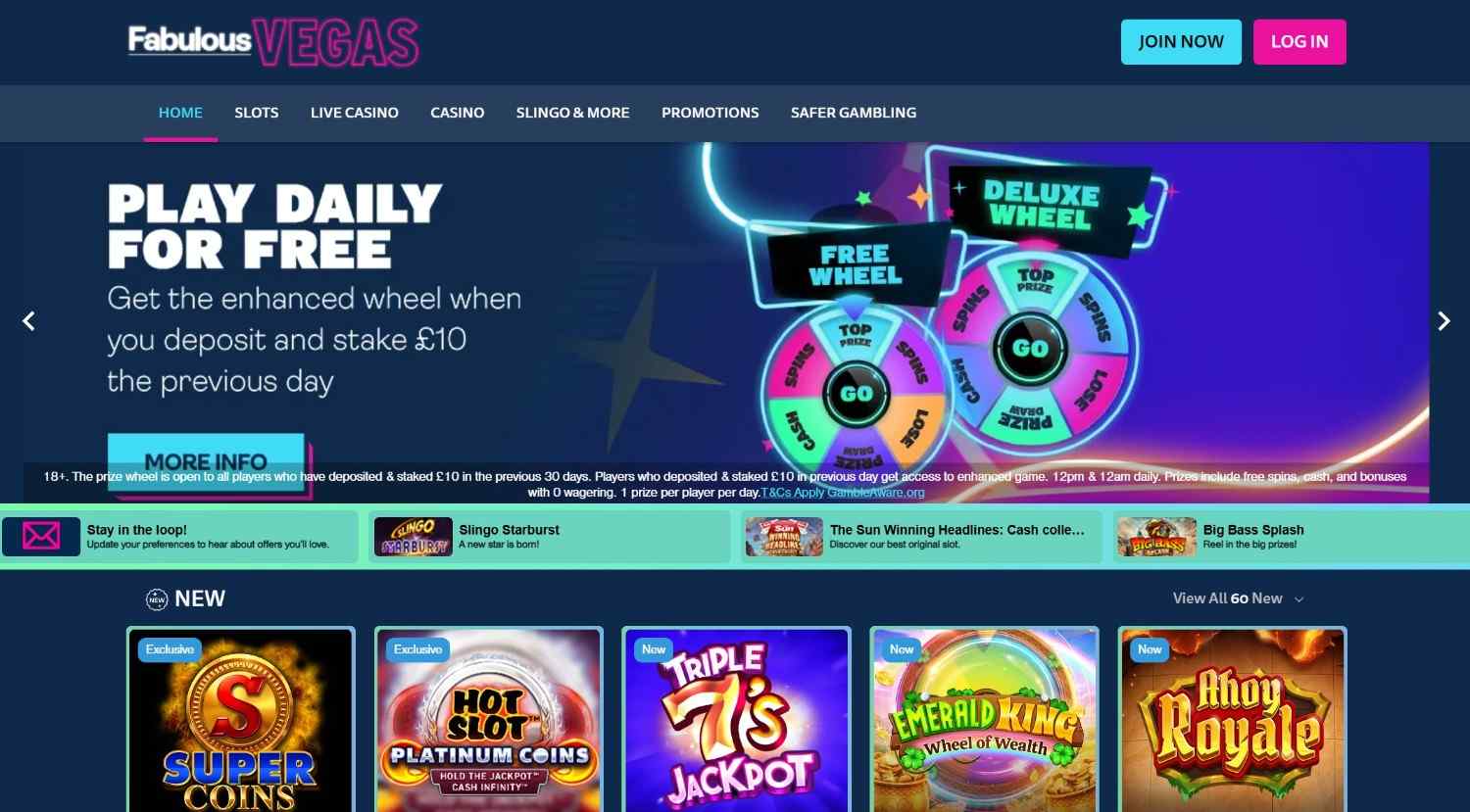
Fabulous Vegas is the closest casino-led name in the Red Rock group. The UKGC domain list for Red Rock Managed Services Limited includes fabulousvegas.co.uk alongside fabulousbingo.co.uk, sunbingo.co.uk, and thesunvegas.co.uk, all under account number 67754. That makes it a confirmed Fabulous Bingo sister site rather than a loose affiliate recommendation. The public registration page also carries the same Red Rock company details and refers to the Gambling Commission of Great Britain account number 67754 plus Gibraltar licence number 164.
The current registration offer is built for slots players rather than bingo-first players. The public Fabulous Vegas registration terms show 150 free spins after a new player deposits and spends GBP10, with the spin winnings wagered 10x within three days. A separate welcome-offer page listed a 100 percent deposit match up to GBP100 plus 100 free spins, ending 30 April 2026, so the registration screen is the stronger live reference. This is why sites like Fabulous Bingo need offer checks at sign-up.
The lobby position is different from Fabulous Bingo. Fabulous Vegas focuses on slots, live dealer games, prize drops, casino tournaments, and game-show style live products. It still sits on the same Red Rock licence trail, but it does not try to recreate the bingo-room feel that makes the main brand recognisable. For players who mostly used the casino and live tabs at Fabulous Bingo, this is the most natural Red Rock switch.
The main caution is sentiment. Trustpilot's Fabulous Bingo profile is weak at 1.6/5 from 243 reviews, and Trustpilot also lists Fabulousvegas at 1.7/5 from 37 reviews. That does not override the active UKGC account or Casino Guru's 9.6/10 Safety Index for Fabulous Bingo, but withdrawals, bonus acceptance, and account verification should be handled carefully. Fabulous Vegas sister sites are not separate from that Red Rock service environment.
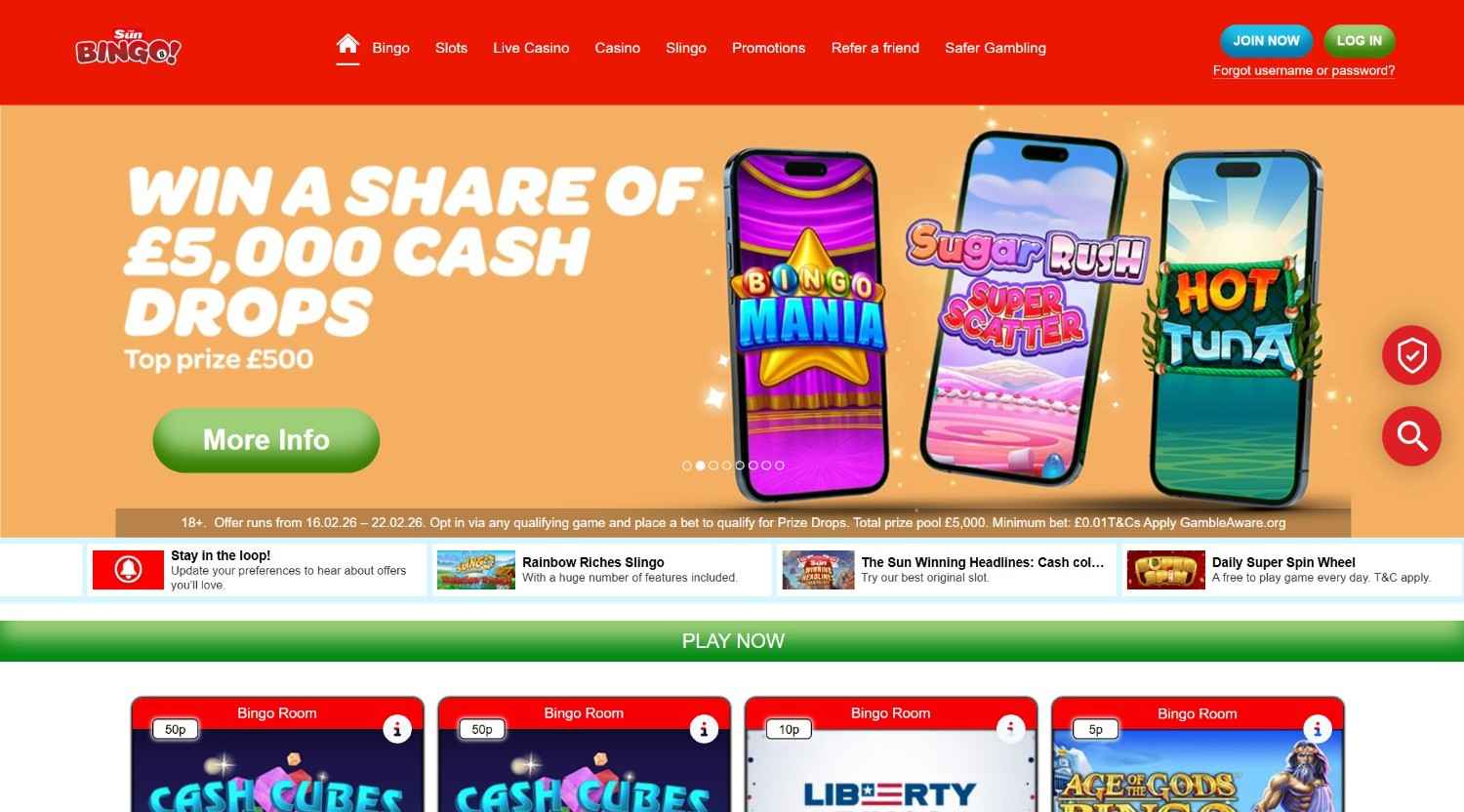
Sun Bingo is the strongest bingo-first sibling on the current Red Rock account. The UKGC register names sunbingo.co.uk as one of the four Red Rock domain names, and the Sun Bingo slots page footer states that Sun Bingo is operated by Red Rock Managed Services Limited, company number 125099 in Gibraltar. It also states that Red Rock is licensed and regulated by the Gambling Commission of Great Britain under account number 67754.
The public offer page for Sun Bingo lists 10 free spins after registration, then 100 free spins after a new player deposits and spends GBP10 on casino. The search-visible terms say those later spins are 10p per spin and winnings are wagered 4x on eligible games. The same page states that the promoter is Red Rock Managed Services Limited. That makes the offer cleaner than many older Sun Bingo summaries, because the operator, licence, and bonus rules are all visible on current Red Rock-controlled pages.
Sun Bingo is a better match than Fabulous Vegas for players who want bingo rooms, community chat, and newspaper-branded specials. Its public slots page describes a wider casino section, debit card deposits, PayPal and Skrill support, mobile-browser play, jackpot slots, Megaways titles, and classic slot categories. Those claims are on the brand's own content rather than a third-party review, so they are useful for payment and product comparison.
Sentiment is mixed. Trustpilot's live search result for The Sun Bingo shows 2.1/5 from 832 reviews, while the broader Fabulous Bingo Trustpilot profile is lower at 1.6/5. The common criticism is not licensing; it is player value, service, verification, and payout friction. Sun Bingo sister sites context is therefore about verified operator links first and public sentiment second. Sun Bingo wins on licence trail and bingo relevance, but a player should keep deposits modest until withdrawal performance is tested.
The Sun Vegas is the third genuine sibling on Red Rock account number 67754. The UKGC register lists thesunvegas.co.uk as a Red Rock domain, and Trustpilot's The Sun Vegas page identifies the brand at that domain with current player reviews into May 2026. It is not a Fabulous Bingo casino sister casinos clone; it is the slots-led Sun product sitting beside the bingo-led Sun Bingo and the casino-led Fabulous Vegas.
The Sun Vegas is useful for players who want a larger casino menu and do not care about bingo rooms. Support pages for The Sun Vegas confirm that bonus money carries its own wagering requirement, while Trustpilot's current profile shows 1.9/5 from 837 reviews. Review text visible in May 2026 includes both fast-withdrawal praise and heavy complaints about low returns, verification, and account locking. The result is a lower editorial rating than Sun Bingo even though the licence evidence is equally strong.
Because The Sun Vegas is a Red Rock domain, the same UKGC remote bingo, casino, real-event betting, and virtual-event betting permissions apply. The public register also records zero regulatory actions on account 67754. That is an important distinction from user-review frustration: weak sentiment is a consumer-experience risk, while the licence status remains active and searchable.
The main reason to include The Sun Vegas in a Fabulous Bingo sister site shortlist is portfolio completeness. A player researching the Red Rock set should understand it before jumping to a different operator. The Sun Vegas is the more direct slots alternative, Sun Bingo is the bingo alternative, and Fabulous Vegas sits between the two. The Sun Vegas sister sites phrase should therefore be read as Red Rock-linked context, not as a claim that all Sun-branded gambling products share one account with every News UK game.
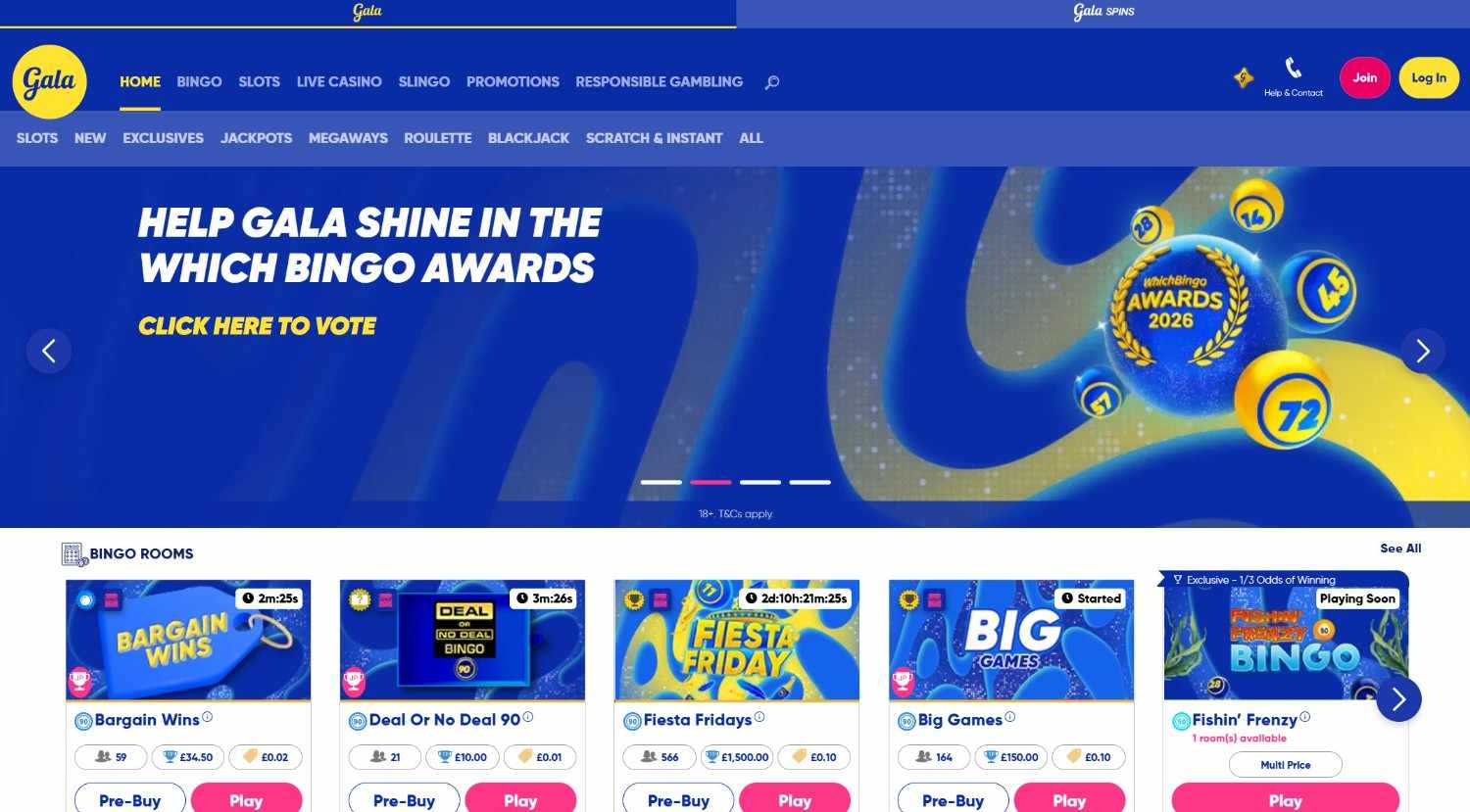
Gala Bingo is a UKGC alternative, not a Red Rock sister brand. It is operated by LC International Limited, whose UKGC account number 54743 is active for remote bingo, casino, betting intermediary, real-event betting, virtual-event betting, and pool betting. The UKGC domain list includes galabingo.com alongside other LC International domains such as coral.co.uk, foxybingo.com, galacasino.com, galaspins.com, ladbrokes.com, partycasino.com, and partypoker.com. Gala Bingo sister sites therefore belong to Entain's LC International network, not to Red Rock.
The reason Gala belongs in this guide is licence-type matching. Fabulous Bingo is an active UKGC bingo and casino brand, so any outside alternatives should also be active UKGC brands. Gala Bingo is one of the better matches because it is bingo-first, has a large recognisable UK brand, and publishes a simple new-player bingo bonus through third-party bingo-review sources: play GBP10 and get a GBP60 bingo bonus with 4x wagering. The operator page should still be checked at sign-up, but that structure is consistent with a bingo-led offer rather than a pure slots sign-up deal.
Gala is more mature and broader than the current Red Rock network. LC International's public UKGC register shows 15 domain names and 16 trading names, compared with Red Rock's four registered domains and no trading names. That gives Gala more internal product depth: bingo, casino, spins, sports-linked wallets, and several Entain brands. It also means account controls, affordability checks, and marketing preferences may feel heavier for some players.
The important safety context is regulatory history. The current UKGC account detail page shows zero current regulatory-action records under the register tab, but LC International was named in a public 2022 regulatory settlement connected to anti-money-laundering and social-responsibility failings. For UK players today, the practical effect is tighter KYC, source-of-funds checks, and bonus scrutiny. As a Fabulous Bingo alternative, Gala is strong on scale and licence depth, but it is not a Red Rock substitute.
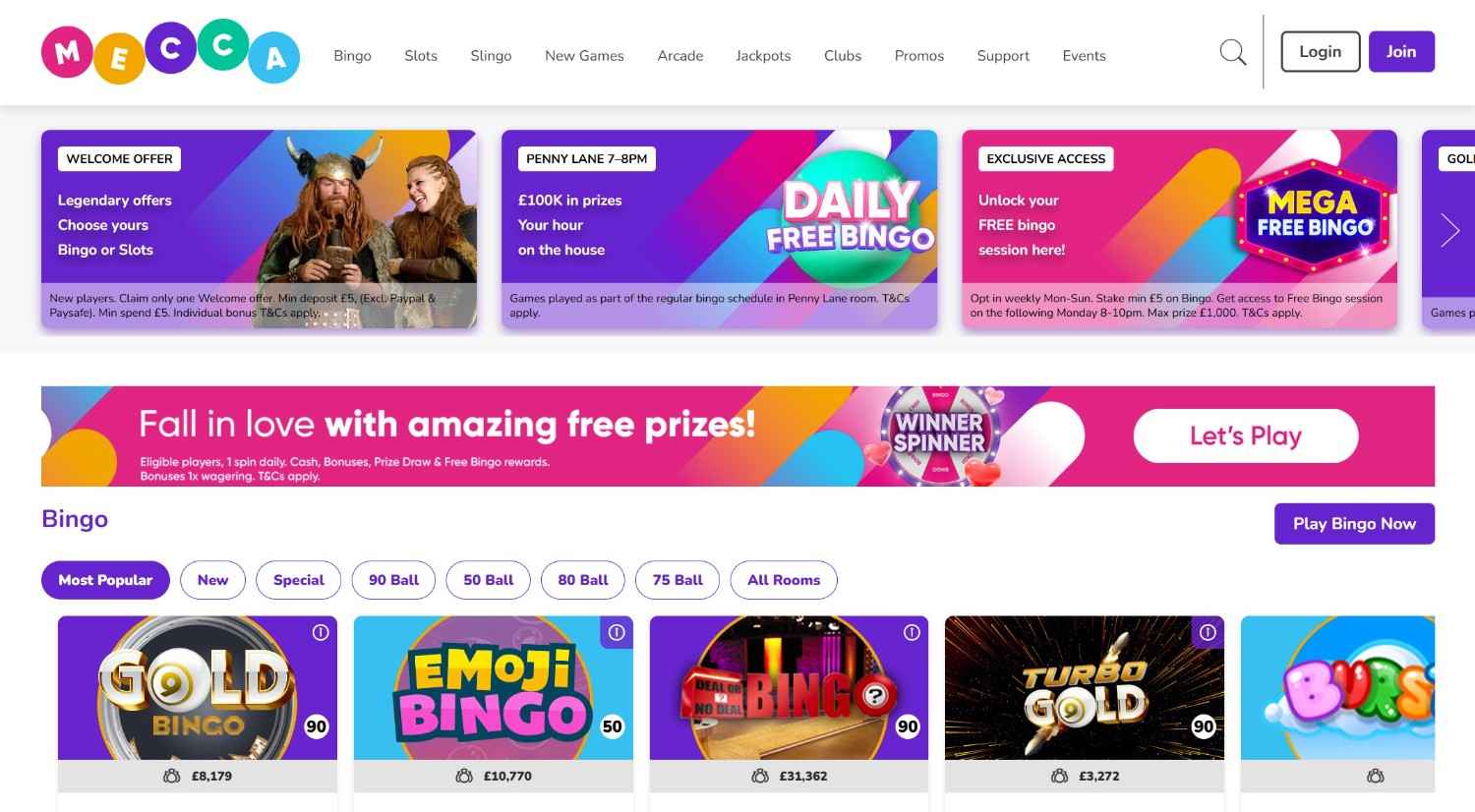
Mecca Bingo is the second UKGC alternative in this list. The current remote online account for Rank Interactive (Gibraltar) Limited is UKGC account number 57924, active for remote bingo, casino, gambling software, real-event betting, and virtual-event betting from 11 March 2022. The UKGC domain list for account 57924 includes meccabingo.com, meccagames.com, bellacasino.com, grosvenorcasinos.com, kittybingo.com, luckypantsbingo.com, magicalvegas.com, luckyvip.com, regalwins.com, and other active domains. Mecca Bingo sister sites are Rank brands, not Red Rock brands.
Mecca is included because it answers a different player need. Some Fabulous Bingo players want a UK heritage bingo brand with a familiar club name, larger bingo recognition, and a long digital footprint. Mecca fits that role better than most casino-first sites. It also gives a useful benchmark for Fabulous Bingo similar sites: Red Rock's network is compact and newspaper-branded, while Rank's online network connects Mecca, Grosvenor, Bella, Lucky Pants, and other casino or bingo products.
The risk picture is not perfect. Search-visible licence checks for Mecca cite low Trustpilot sentiment around 1.5/5 from more than 3,000 reviews, while Rank's earlier digital history includes a 2021 UKGC settlement reported around safer-gambling failures. That does not make the current account inactive; the register shows active remote permissions. It does mean players should expect identity checks, affordability prompts, and withdrawal evidence requests to be taken seriously.
Mecca is a useful final pick for players comparing Fabulous Bingo alternatives because it is not trying to be a Red Rock replica. It is the broader Rank comparison: a large bingo brand with a deep account ecosystem, more sibling domains, and a stronger land-based heritage. It cannot be called genuine, but as a UKGC alternative it gives context on what a larger bingo network can offer.
We checked UKGC account pages, domain lists, current operator footer text, public offer pages, Trustpilot review totals, Casino Guru's live Fabulous Bingo review, and support pages. For Red Rock brands, the decisive evidence was account number 67754 and the live domain list. For alternatives, we matched UKGC licence type and bingo relevance. We found no closure language on the profiled Red Rock domains during this pass.
Fabulous Bingo's current public offer gives new players a 200 percent bingo bonus after a first deposit of GBP10, capped at a GBP60 bingo bonus, plus 100 free spins. The bingo bonus requires 4x wagering. If a player deposits GBP15, the bonus is GBP30 and the bingo wagering target is GBP120. The free spins are worth 10p each, must be accepted within 48 hours, and spin winnings require 20x wagering within seven days. The offer page states that the promotional period runs until 9 January 2026 and that Red Rock Managed Services Limited is the promoter.
The Red Rock brands do not all use the same bonus design. Fabulous Vegas currently shows 150 free spins after a GBP10 deposit and spend, with spin winnings wagered 10x within three days. Sun Bingo shows a 10-spin registration element and 100 further spins after a GBP10 casino spend, with 4x spin-winnings wagering. The Sun Vegas is more casino-led, so check its live offer page before sign-up.
For UKGC operators, LCCP SR Code 5.1.1 from January 2026 matters because it caps wagering requirements for consumer bonus offers at 10x where the rule applies. Fabulous Bingo sister sites no deposit bonus searches should also be treated carefully: Red Rock's visible offers are mostly registration spins or deposit-and-spend offers, not a broad no-deposit network promise.
Fabulous Bingo remains the bingo-focused subject brand. Fabulous Vegas is the casino-first Red Rock option, Sun Bingo is the large Sun-branded bingo room, and The Sun Vegas is the slots-led Sun casino. That makes the real Red Rock network compact and easy to understand. There are three confirmed Red Rock siblings on the current UKGC account.
The handover from VF2011 Limited to Red Rock is the most important current fact. VF2011 account number 45110 was surrendered on 9 March 2026, but Red Rock account number 67754 has active bingo, casino, real-event betting, and virtual-event betting permissions from 2 October 2025. So Fabulous Bingo is not a closed brand in this article. It is an active brand whose operator changed.
Fabulous Bingo wins over its siblings on bingo identity and current Casino Guru score. Casino Guru's live Fabulous Bingo review shows a 9.6/10 Safety Index, Very high, checked June 2026, with 49 providers and no direct complaints in its database. Sun Bingo wins on bingo-room scale. Fabulous Vegas and The Sun Vegas win for slots, live games, and casino promotions. Gala and Mecca win on wider network depth, but they are Fabulous Bingo alternatives rather than Fabulous Bingo sister companies.
Readers who want a sportsbook-led comparator can use our Betfred Casino review after finishing the Red Rock comparison.
| Brand | Debit Card | PayPal | Skrill | Paysafecard | Notes |
|---|---|---|---|---|---|
| Fabulous Bingo | Yes | Listed by Casino Guru | Listed by Casino Guru | Listed by Casino Guru | Casino Guru lists 8 methods, checked June 2026 |
| Fabulous Vegas | Debit cards only for welcome offer | Not confirmed on offer page | Not confirmed on offer page | Not confirmed on offer page | Registration terms emphasise debit-card eligibility |
| Sun Bingo | Visa, Mastercard, Maestro | Listed on Sun slots page | Listed on Sun slots page | Not stated on slots page | Public slots page says e-wallets can fund instantly |
| The Sun Vegas | Debit card expected | Not stated in support result | Not stated in support result | Not stated in support result | Verify in cashier after registration |
| Gala Bingo | Commonly listed | Commonly listed | Commonly listed | Commonly listed | LC International cashier options differ by brand and account status |
| Mecca Bingo | Commonly listed | Brand dependent | Brand dependent | Brand dependent | Rank cashier options depend on verification and channel |
Red Rock's Fabulous Bingo page has the strongest third-party payment listing through Casino Guru: Skrill, PaysafeCard, Visa, Mastercard, Visa Debit, PayPal, Maestro, and Moneybookers, with GBP as the currency. Sun Bingo's own slots page also names Visa, Mastercard, Maestro, PayPal, and Skrill. For larger withdrawals, prepare ID, address, payment ownership, and source-of-funds evidence before requesting cash-out.
| Brand | Main Product Mix | Provider Evidence | Editorial Game Rating |
|---|---|---|---|
| Fabulous Bingo | Bingo, slots, live casino, table games | Casino Guru lists 49 providers | 8.7/10 |
| Fabulous Vegas | Slots, live dealer, prize drops, tournaments | Registration page references live dealer and promotion catalogue | 8.0/10 |
| Sun Bingo | Bingo, slots, jackpots, Megaways, mobile slots | Public slots page names slot categories and payment support | 8.2/10 |
| The Sun Vegas | Slots, jackpots, casino games | Current Trustpilot profile and support pages confirm live operation | 7.5/10 |
| Gala Bingo | Bingo, casino, wider Entain gaming | UKGC domain list confirms Gala Bingo and sister domains | 8.4/10 |
| Mecca Bingo | Bingo, slots, casino, Rank network games | UKGC domain list confirms Mecca and Rank domains | 8.1/10 |
Casino Guru's Fabulous Bingo provider list is the most detailed live software source in this pass. It names 49 providers, including Playtech, Blueprint Gaming, IGT, Pragmatic Play, Quickspin, Red Tiger Gaming, SG Digital, Eyecon, Wazdan, Slingo, and Kalamba. That gives Fabulous Bingo casino UK players a deeper mixed-game library than a simple bingo-only label suggests.
For table-game depth beyond bingo lobbies, our roulette casinos guide is a useful second check.
| Brand | Current Operator | UKGC Account Number | Relationship to Fabulous Bingo | Regulatory Note |
|---|---|---|---|---|
| Fabulous Bingo | Red Rock Managed Services Limited | 67754 | Subject brand | Active from 2 Oct 2025; VF2011 45110 surrendered 9 Mar 2026 |
| Fabulous Vegas | Red Rock Managed Services Limited | 67754 | Genuine same-account sister site | Active Red Rock domain |
| Sun Bingo | Red Rock Managed Services Limited | 67754 | Genuine same-account sister site | Active Red Rock domain |
| The Sun Vegas | Red Rock Managed Services Limited | 67754 | Genuine same-account sister site | Active Red Rock domain |
| Gala Bingo | LC International Limited | 54743 | UKGC alternative | Active LC International domain |
| Mecca Bingo | Rank Interactive (Gibraltar) Limited | 57924 | UKGC alternative | Active Rank Interactive domain |
Red Rock account number 67754 shows zero regulatory actions on the current UKGC register. It covers remote bingo, casino, real-event betting, and virtual-event betting, all active from 2 October 2025. LC International account number 54743 and Rank Interactive account number 57924 are also active, but they are separate operators. Red Rock Managed Services Limited casinos are not interchangeable with Entain or Rank accounts. Red Rock Managed Services Limited casinos also have a narrower domain list than Entain and Rank.
Rank players can also compare the Mecca Games review before treating Mecca as a direct alternative.
| Brand | Casino Guru | Trustpilot / Public Review Signal | Complaint Risk Rating |
|---|---|---|---|
| Fabulous Bingo | 9.6/10 Very high; 0 direct Casino Guru complaints | 1.6/5 from 243 Trustpilot reviews | 6.2/10 |
| Fabulous Vegas | Not separately verified on Casino Guru in this pass | Trustpilot related listing 1.7/5 from 37 reviews | 5.8/10 |
| Sun Bingo | Not separately verified on Casino Guru in this pass | Trustpilot search result 2.1/5 from 832 reviews | 6.3/10 |
| The Sun Vegas | Not separately verified on Casino Guru in this pass | 1.9/5 from 837 Trustpilot reviews | 5.9/10 |
| Gala Bingo | Mature UKGC brand | Mixed public sentiment across Entain bingo brands | 6.8/10 |
| Mecca Bingo | Mature UKGC brand | Low Trustpilot sentiment cited in licence checks | 6.1/10 |
The sentiment grid explains why the editorial trust number is lower than the Casino Guru Safety Index alone. Casino Guru gives Fabulous Bingo a strong 9.6/10 Safety Index, but Trustpilot is weak at 1.6/5, which converts to 3.2/10. We weight licence status, structured review evidence, provider depth, and complaint data above a single open-review score, but player frustration still pulls the quick rating down. Our editorial identity-card rating is therefore 7.4/10.
Keep the Red Rock sentiment grid separate from unrelated complaint histories.
Fabulous Bingo and the three Red Rock siblings are currently licensed under a UKGC remote account. That means age checks, identity verification, safer-gambling controls, complaint handling, and anti-money-laundering monitoring apply. Sun Bingo support pages describe deposit limits, a 24-hour wait to increase limits, time-outs from 24 hours to six weeks, and self-exclusion from six months to five years. UKGC remote-casino self-exclusion options available is the correct compliance framing for this network.
Set a deposit limit before using a bonus, accept a promotion only when the wagering path is clear, and withdraw a small amount early to test verification.
For support outside an operator account, use BeGambleAware and the Gambling Commission public guidance.
Sites like Fabulous Bingo suit players who want UKGC-licensed bingo and casino brands with familiar newspaper or high-street branding. The Red Rock set works best if you like compact choice: one main bingo brand, one casino-first Fabulous brand, and two Sun-branded options.
The leading Red Rock choices are the brands with the clearest corporate relationship, the strongest licence evidence, and a product mix that genuinely answers why a player would leave the main brand. For strict same-account coverage, the list is Fabulous Vegas, Sun Bingo, and The Sun Vegas. For broader UKGC choice, Gala Bingo and Mecca Bingo are the two stronger additions.
Fabulous Bingo sister sites are clearer in June 2026 than they looked during the operator transition. The current parent is Red Rock Managed Services Limited, not VF2011 Limited. The current licence is UKGC account number 67754, active from 2 October 2025. Red Rock Managed Services Limited sister sites on the same account are Fabulous Vegas, Sun Bingo, and The Sun Vegas. That makes the page an active-network guide, not a closed-brand guide. The sister sites of Fabulous Bingo are therefore fewer than five, and the sister sites of Fabulous Bingo should not be padded with unrelated brands.
For most players, Sun Bingo is the strongest bingo sibling, Fabulous Vegas is the strongest casino sibling, and The Sun Vegas is a useful slots-led Sun option with weaker public sentiment. Gala Bingo and Mecca Bingo are not same-account sisters, but they are fair UKGC alternatives when a player wants a larger bingo network. If you want the best relationship match, pick Sun Bingo for bingo or Fabulous Vegas for casino. If you want a broader Fabulous Bingo sister site comparison, compare Gala and Mecca after testing the Red Rock options.
For a separate exchange-led comparison, use Betfair sister site alternatives after reviewing the Red Rock account trail.

Dermot Heathcote
Senior Casino Analyst
Dermot covers UK-licensed online casinos for WagerPals, focusing on UKGC compliance, payment safety, and bonus terms. He spends most of his time reading licence registers, withdrawal terms, and player-complaint forums so readers don't have to.