
PlayOJO
5.0Welcome Bonus
50 Free Spins, no wager
- No wagering on bonuses
- OJOplus cashback
- Hot or Cold RTP tool
This forensic audit examines the regulatory architecture, network scale, and operator status of Cashmo sister sites following license surrender by InTouch Games Limited. We verify closure events, assess historical compliance failures, and evaluate consumer protection risks across the now-defunct network.
PlayOJO
5.0Welcome Bonus
50 Free Spins, no wager
Betway
5.0Welcome Bonus
100% up to £50, 10x wager
BetMGM
4.9Welcome Bonus
200 spins, no wager
Casumo
4.9Welcome Bonus
50% up to £100, 10x

888 Casino
4.9Welcome Bonus
100 spins on £10 deposit

BetVictor
4.8Welcome Bonus
£20 + 50 spins on £10
Rizk Casino
4.8Welcome Bonus
100% £100 + 50 free spins
Sky Vegas
4.8Welcome Bonus
270 free spins, no wager
Unibet
4.7Welcome Bonus
200 spins on £10 stake
32Red
4.7Welcome Bonus
100 spins worth 20p each
Mr Green
4.7Welcome Bonus
200 spins on £10 deposit

Paddy Power
4.6Welcome Bonus
160 free spins, no wager
Jackpotjoy
4.6Welcome Bonus
50 spins or £30 bingo
Coral Casino
4.6Welcome Bonus
100 free spins, no wager

Foxy Games
4.5Welcome Bonus
100 free spins, no wager

Virgin Games
4.5Welcome Bonus
100 spins or £50 bingo
Cashmo was operated by InTouch Games Limited under UKGC account 2091, which was surrendered on 5 September 2023. All eight former InTouch sister sites — mFortune, Dr Slot, Mr Spin, Jammy Monkey, Bonus Boss, Casino2020, PocketWin and Slot Factory — also ceased UK operations. Three currently UKGC-licensed alternatives are covered below.
| Detail | Info |
|---|---|
| Full Legal Name | InTouch Games Limited |
| Parent Company | Skywind Group (acquired June 2022) |
| Primary Licence(s) | UKGC Account 2091, Licence ID 002091-R-104264-033 — surrendered 5 September 2023 (public register entry) |
| Active Casino / Gaming Brands | None on the original UKGC licence after September 2023 |
| Total UKGC Penalty History | ~£11.7 million across four enforcement actions between 2019 and 2023 |
| Trustpilot Rating | Approximately 152 reviews on cashmo.co.uk, most recent dated 31 January 2025 — review activity dormant since UK operations wound down |
| Last Checked | May 2026 |
InTouch Games Limited is a West Midlands-based operator that ran a network of mobile-first UK casino brands across roughly a decade, with Cashmo joining the portfolio in 2019. The company was acquired by Skywind Group in 2022, though that ownership change did not prevent the regulatory pattern that ultimately led to the UKGC licence being suspended under section 116 of the Gambling Act 2005 on 1 September 2023 and then voluntarily surrendered four days later. Any UK player who held a Cashmo balance after that point was given until 6 March 2024 to withdraw remaining funds; the network's player-facing sites then went offline. The Bonus Boss review on this site captures the broader InTouch promotional template that Cashmo eventually inherited.
The honest answer to "what are sites like Cashmo" in 2026 is that the entire former InTouch network is no longer accepting UK deposits under the original licence. Eight sister brands operated alongside Cashmo at peak: mFortune (the long-running flagship of the group), Dr Slot, Mr Spin, Jammy Monkey, Bonus Boss, Casino2020, PocketWin and Slot Factory — the Jammy Monkey review on this site walks through one of these brands in deeper product detail for any reader who wants to compare the InTouch network skin-by-skin. All eight shared the same InTouch Games Limited UKGC licence, the same in-house Slot Factory game studio, the same Pay by Phone Bill banking infrastructure and the same support back end. When the UKGC licence was surrendered in September 2023, all eight sister sites of Cashmo wound down their UK operations on the same timeline.
Several third-party pages still describe Cashmo as if it were currently active in the UK, sometimes citing different UKGC account numbers to the one that was actually surrendered. UK players should not rely on those summaries. The Gambling Commission public register is the only authoritative source for current licence status, and the original Cashmo licence (Account 2091) is recorded as surrendered. Anyone offered a Cashmo deposit page in 2026 should verify the operator entity and licence number against the UKGC register before transferring funds — a "Cashmo" domain online is not the same thing as the original UKGC-licensed Cashmo brand.
The corporate IP is still owned by Skywind Group, which holds separate UKGC permissions for its own studio brands. Skywind's UKGC standing is distinct from the InTouch consumer-facing operations; the studio side has not been part of the enforcement record that ended Cashmo. For a UK player looking for the Cashmo experience — mobile-first, simple deposits, in-house slots — the better question is not "which Cashmo sister site can I use now" but "which UKGC-licensed casino offers a comparable mobile-first product today." The three brands covered below are the closest like-for-like alternatives currently operating. The MrQ sister sites page on this site profiles MrQ's own operator network as a separate point of reference.
| Metric | MrQ | PlayOJO | Pink Casino |
|---|---|---|---|
| Operator Entity | Tek Fox Ltd (Malta) — transferred from Lindar Media in August 2024 | Skill On Net Limited | Within the LeoVegas Group (MGM Resorts International parent) |
| UKGC Licence Account | 60629 | 39326 | 39198 (LeoVegas Gaming PLC) |
| Welcome Offer Structure | No-wagering free-spins package | No-wagering free-spins package, typically on a small qualifying deposit | Matched-bonus structure with stated wagering — verify live offer on site |
| Wagering on Bonus Winnings | None | None | Traditional wagering applies |
| Withdrawal Speed | Same-day PayPal where the support team is operating; written guarantee on instant payouts | Same-day Trustly processing for verified accounts | 1 to 3 business days standard |
| Game Count (verify on operator site) | Roughly 900-1,100 titles, curated | 3,000+ titles, broad catalogue | Slot-led catalogue plus live casino and bingo rooms |
| Unique Differentiator | PayPal withdrawal guarantee in the no-wager segment | Catalogue depth at no-wagering principle | Group-level progressive jackpot pools and MGM-backed operational scale |
| Key Drawback | Live chat hours are limited rather than 24/7 | Busier lobby than a curated mobile-first product | Traditional wagering rather than the no-wagering model |
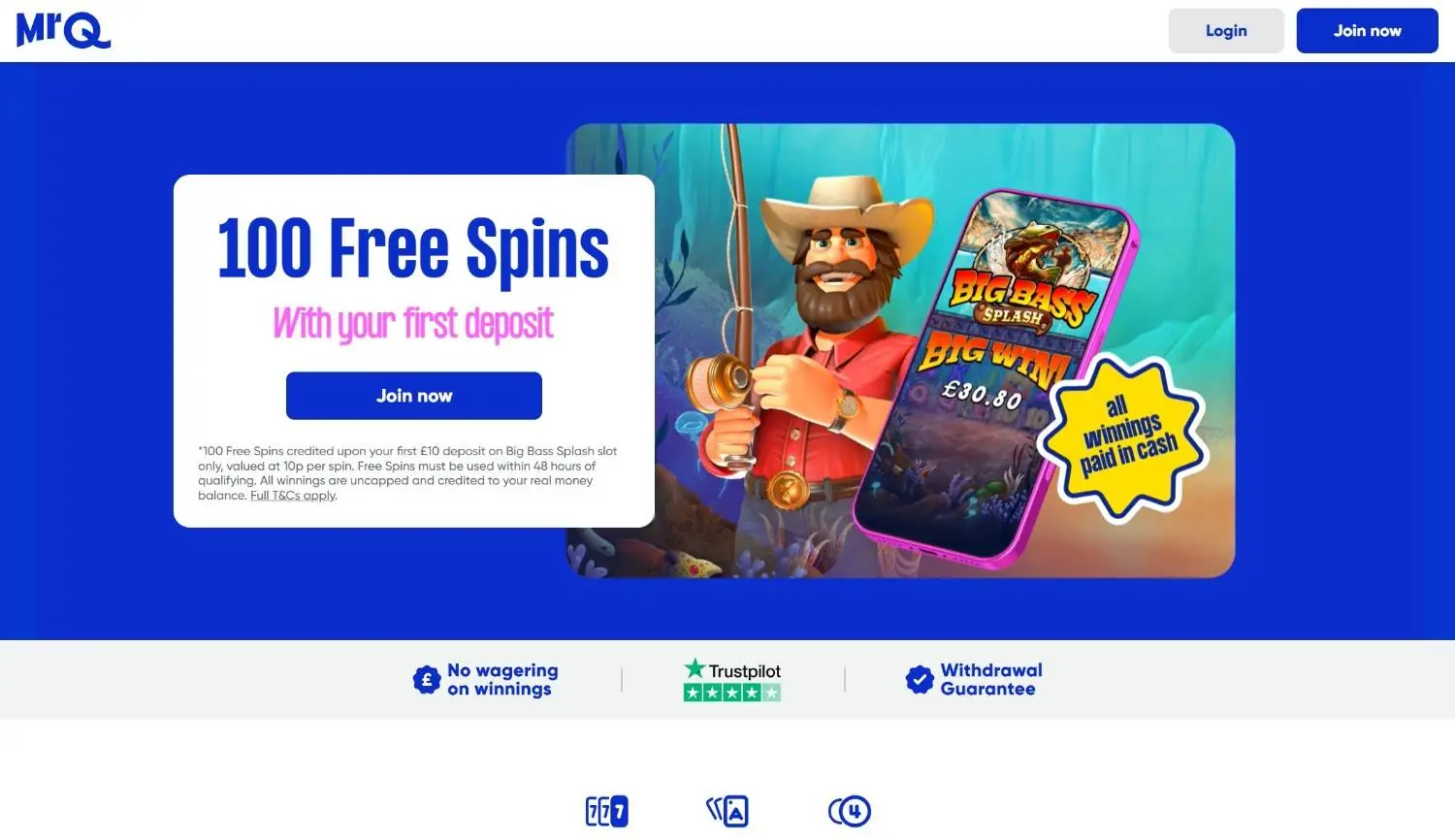
MrQ is the most direct functional successor to what Cashmo offered UK players. It is UKGC-licensed and operates under a no-wagering bonus policy that delivers free-spin winnings straight to the cash balance, which is the same friction-removal approach Cashmo built its identity on. The lobby is heavier than Cashmo's curated ~50-60 in-house titles — third-party reports put the MrQ catalogue at around 900-1,100 games, drawn from named third-party studios including Microgaming, Play'n GO, Pragmatic Play, NetEnt and Big Time Gaming, rather than a single in-house provider. MrQ launched in 2018 under Lindar Media Limited (UKGC licence 51250). The operating licence transferred to Tek Fox Ltd (UKGC 60629), a Malta-registered company at The Brewhouse, Mdina Road, Birkirkara CBD 2010, in August 2024. Older affiliate content still references the original entity, but the current licensee per the UKGC register is Tek Fox Ltd.
Lindar Media Limited had a £690,947 UKGC settlement in September 2023 for AML and social responsibility shortcomings, which pre-dates the corporate transfer. The settlement specifically cited weak implementation of AML policies, deficiencies in responsible gambling triggers and shortfalls in key-event reporting. MrQ is registered with GamStop and certified by independent test houses. The promotional pitch is built around fast PayPal withdrawals, a written guarantee on instant payouts where the support team is operating, and an emphasis on hand-picked titles rather than catalogue padding. Banking includes Pay by Phone Bill via Boku, which is the mechanic Cashmo players used most often, plus PayPal, Visa and Mastercard. Pay by Phone is deposit-only — withdrawals route to a verified bank account, which adds a KYC step before the first cashout but is standard UKGC practice. There is no tier-based VIP scheme and live chat hours are limited rather than 24/7, which is one of the documented drawbacks the MrQ casino review surfaces in detail.
| Metric | Details |
|---|---|
| Site Identity | Mobile-first UKGC casino with no-wagering free-spin promotions |
| What Sets It Apart | Strict no-wagering policy on all bonus offers; fastest publicly-stated PayPal payout window in the UK no-wager segment |
| Game Selection | Curated catalogue of around 900-1,100 titles from named third-party studios; slots-led with limited live casino |
| Best Bonus Feature | Free-spin winnings transfer directly to withdrawable cash with no playthrough |
| Drawback | Limited support hours rather than 24/7; no VIP loyalty tier; Skrill and Neteller deliberately excluded |
| Ideal Player | A Cashmo refugee who wants no-wagering bonuses, mobile-first design and PayPal payouts above all else |
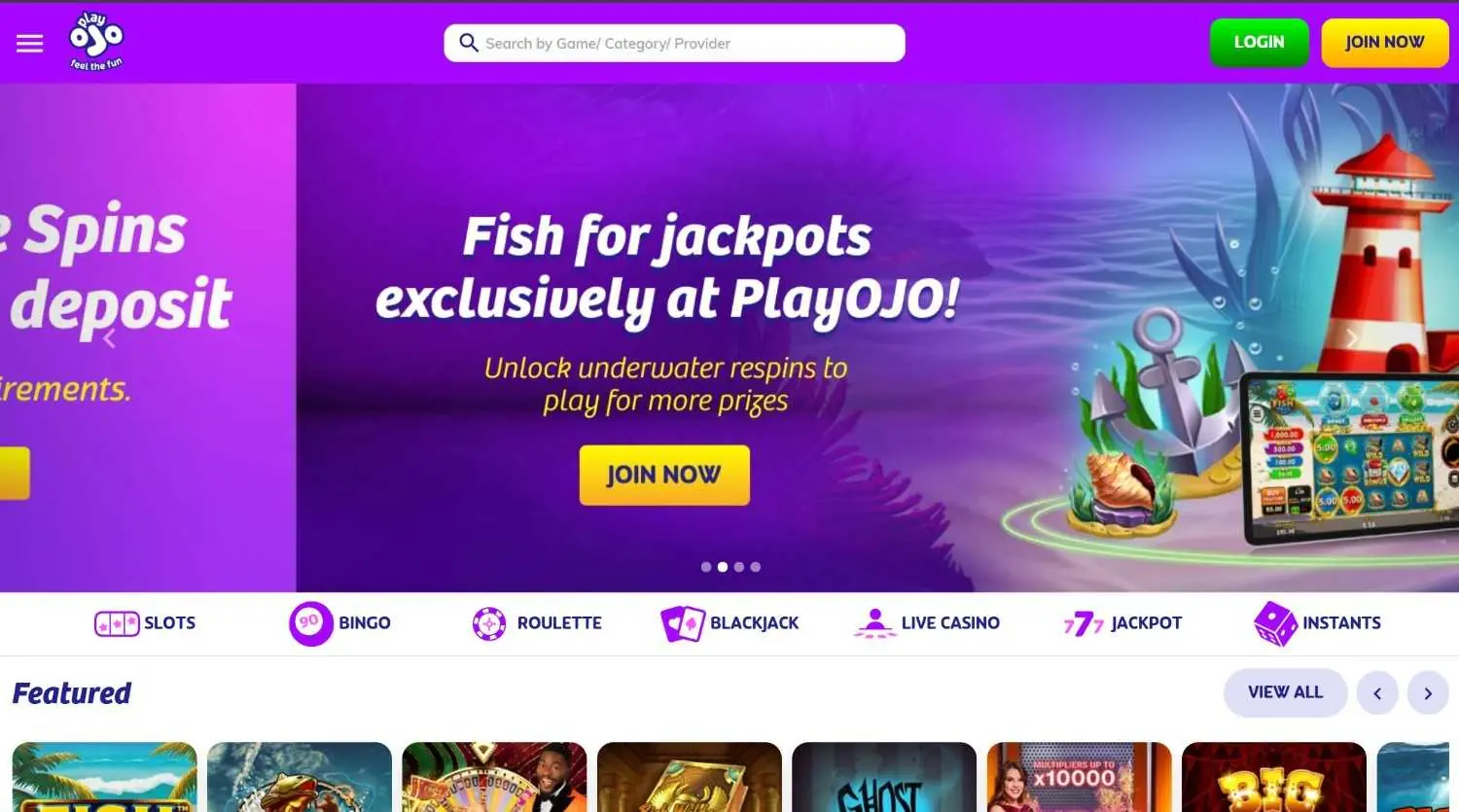
PlayOJO is operated by Skill On Net Limited under UKGC account 39326 and pioneered the no-wagering bonus model in the UK market when it launched in 2017. The catalogue is significantly larger than Cashmo's ever was — third-party sources consistently report 3,000 or more titles from a deep provider roster including NetEnt, Pragmatic Play, Play'n GO and Microgaming. Where Cashmo built around a single in-house studio, PlayOJO is structured around catalogue breadth, transparent terms and instant Trustly banking. It is one of the few brands that built its core marketing pitch on the same wagering-free principle Cashmo's smaller welcome offers leaned on, but applied to a much wider game library.
Skill On Net Limited has held its UKGC licence since 2014. The licensee has had two prior UKGC enforcement actions — a £3.6 million settlement in 2021 and a £305,150 fine in May 2023 — both relating to AML and social responsibility shortcomings. These sit against the wider Skill On Net network of approximately 50 sites rather than PlayOJO specifically, but they form part of the regulatory context. The May 2023 case specifically cited customers depositing beyond set limits, over-reliance on customer declarations to mitigate money-laundering risk, and inadequate interaction with players showing markers of harm. The operator accepted the findings, agreed to an independent third-party audit and implemented remedial action. The headline welcome offer at PlayOJO is a no-wagering free-spins package on a small qualifying deposit, with winnings paid directly to the cash balance. Trustly is the operator's preferred deposit and withdrawal route, supporting same-day processing for verified accounts. Standard debit cards, Apple Pay and PayPal are also accepted. The PlayOJO review covers welcome offer mechanics, banking and payout speed in full current detail.
| Metric | Details |
|---|---|
| Site Identity | Skill On Net's flagship UK casino, built around no-wagering bonus mechanics |
| What Sets It Apart | Catalogue depth of 3,000+ titles paired with no-wagering bonus structure across the welcome and ongoing offers |
| Game Selection | Broad third-party slots library plus live casino, table games and Slingo |
| Best Bonus Feature | No wagering on free-spin winnings and a transparent ongoing rewards programme |
| Drawback | Less curated lobby than a focused mobile-first brand; two prior UKGC enforcement actions against the licensee |
| Ideal Player | A Cashmo alternative seeker who wants no wagering plus catalogue depth and instant banking |
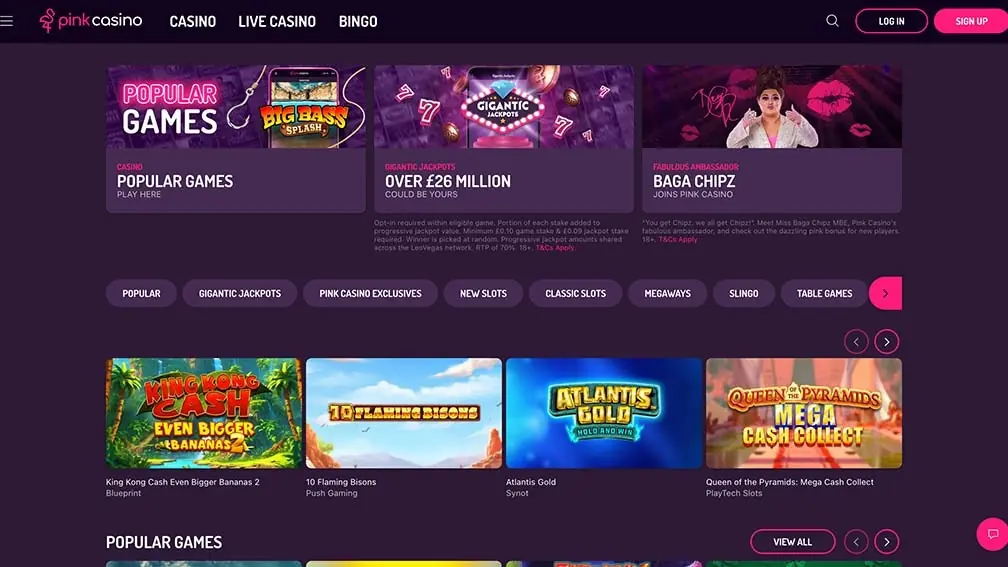
Pink Casino operates within the broader LeoVegas Group (UKGC account 39198), which itself sits inside MGM Resorts International's gaming structure following the 2022 acquisition. The brand is UKGC-licensed and built around a mobile-first design that includes Pay by Phone Bill, the same banking shortcut that defined Cashmo for many UK players. The catalogue is broader than Cashmo's in-house collection and includes named third-party providers, jackpot networks with seven-figure progressive prize values and a live-casino tab.
Pink Casino's positioning differs from MrQ and PlayOJO in one important respect: the welcome offer is a more traditional matched-bonus structure with stated wagering, rather than the no-wagering model. That trade-off comes with the operational scale of a much larger parent group — group-level deposit limits, group-level self-exclusion tooling, GamStop coverage and broader liquidity on progressive jackpots. The brand is one of the longer-running UK pink-themed bingo-and-slots properties and has a settled regulatory record under its current ownership. For Cashmo refugees who preferred the brand's social atmosphere rather than the no-wagering promotional model, Pink Casino is the more natural community-first fit, and is the best Cashmo sister site equivalent on community feel.
| Metric | Details |
|---|---|
| Site Identity | Mobile-first UK casino and bingo brand inside the LeoVegas Group / MGM structure |
| What Sets It Apart | Group-level resourcing including large progressive jackpot networks and mature responsible-gambling tooling |
| Game Selection | Slot-led catalogue across named third-party studios plus live casino and bingo rooms |
| Best Bonus Feature | Access to multi-million-pound progressive jackpot pools rare on smaller mobile-first brands |
| Drawback | Welcome bonus uses traditional wagering rather than the no-wagering model that defined Cashmo's later offers |
| Ideal Player | A Cashmo refugee who valued community, jackpot reach and group-level operational maturity over no-wagering promotional structure |
During its active period Cashmo accepted GBP deposits via debit cards, PayPal, Apple Pay, Paysafecard and Pay by Phone Bill via Boku, with withdrawals routing back through the same channel where possible — UK players seeking similar deposit mechanics today can compare options on the current pay by phone casinos UK shortlist across other UKGC-licensed brands. Pay by Phone Bill was deposit-only by design — withdrawals required a verified bank account in line with standard UKGC anti-money-laundering controls. KYC documents had to be completed before any cashout, and player-reported withdrawal experience during the brand's later years frequently surfaced verification delays on first-time payouts, which is a documented pattern across several InTouch-network brands.
Post-surrender, the only outstanding banking question for former UK players is whether any residual balance was withdrawn before the 6 March 2024 deadline communicated to account holders. The current state is that no new deposits can be taken under the surrendered licence, and any third-party domain offering a Cashmo deposit page should be verified against the UKGC public register before transferring funds. The three alternatives above all support comparable mobile-first banking through Pay by Phone Bill, PayPal or Trustly, with current published withdrawal speeds in the same-day to one-to-three-business-day range depending on method. Independent withdrawal speeds testing across UKGC operators is documented separately for cross-network comparison.
Cashmo's distinctive feature when it operated was its exclusively in-house catalogue of around 50-60 titles, all developed by the InTouch-affiliated Slot Factory studio, plus a single progressive Mega Jackpot pool that ran across most of those titles. There was no third-party slot provider on the lobby and no live casino in the conventional Evolution-powered sense — the product was deliberately compact, mobile-first and built for short play sessions on a phone screen, broadly in line with the wider UK mobile casinos UK segment.
For a Cashmo casino UK player coming back to the market in 2026, that pitch has effectively moved to MrQ in terms of curated catalogue scale, and to PlayOJO or Pink Casino if a broader third-party game library matters more. There is no single current UK casino that reproduces the exact in-house-only model Cashmo built around; that pattern has largely disappeared from the UKGC-licensed market since the InTouch network wound down. Loyalty tiers and rewards programmes on the alternatives covered above range from MrQ's deliberately flat structure to Pink Casino's group-level loyalty mechanics — a real difference in how the brands reward returning players.
The InTouch Games Limited record is the central reason this guide has to be honest rather than promotional. The Gambling Commission took four escalating regulatory actions against the licensee across five years. In 2019, a £2.2 million settlement was paid for regulatory failures. In March 2021, a £3.4 million penalty was issued for breaches of anti-money-laundering controls, social-responsibility duties, customer-interaction failures and marketing rules, with additional licence conditions and a formal warning. In January 2023, the UKGC issued what was at the time its largest single penalty package against the operator — £6.1 million — for further AML and customer-interaction failings. Total UKGC penalties across the four actions reached approximately £11.7 million.
On 1 September 2023, the UKGC suspended InTouch Games Limited's operating licence with immediate effect under section 116 of the Gambling Act 2005, pending a full review of the licensee's suitability to continue. Four days later, on 5 September 2023, the operator voluntarily surrendered the licence rather than continue under the review. The consumer-facing sites then communicated to account holders that no new deposits would be accepted and that existing balances had until 6 March 2024 to be withdrawn. After that date, all eight former Cashmo sister site brands plus Cashmo itself went offline in the UK market. The UKGC registered with GamStop covered the brand throughout its active period, and a self-exclusion registered against any InTouch account at the time applied across the entire network.
Two consistent themes emerge from the player-platform record during Cashmo's active period. The first is a recurring pattern of delays on first-time withdrawals, almost always tied to KYC document verification — a complaint that appears repeatedly on the cashmo.co.uk Trustpilot page across reviews from 2019 through 2024. The second is positive sentiment around the responsive in-game support and the mobile-first design, particularly for casual players using small deposit amounts. The brand's Trustpilot page carries roughly 152 lifetime reviews, last refreshed by a player review dated 31 January 2025, which is consistent with the brand no longer accepting new UK deposits and consequently no longer attracting new reviews.
Casino Guru's Cashmo page has limited live data because the brand is dormant in the UK and complaint flow stopped post-surrender. Reddit threads on /r/UKCasinos and /r/onlinegambling reference Cashmo and the wider InTouch network mainly in the historical context of the September 2023 collapse rather than as a current playable brand. No brand-specific Reddit thread pattern on Cashmo's product was identifiable in this research pass. Across player platforms, the reputation reads as that of a brand whose product had loyal users but whose operator pattern was incompatible with UKGC standards on a structural rather than incidental basis. For UK players whose play is causing concern after engaging with any defunct InTouch brand, GamCare provides free and confidential support on 0808 8020 133.
Cashmo's published welcome offers during the active period centred on a small no-deposit free-spins package on selected in-house titles, with winnings capped and subject to in-house wagering rules, plus a matched first-deposit element on small qualifying deposits. Free-spin winnings carried wagering requirements in the 40x range during the later years of operation. Because the brand surrendered its UKGC licence in September 2023, the 19 January 2026 10x wagering cap on bonus funds under UKGC LCCP Social Responsibility Code 5.1.1 is not directly relevant to the brand's history — it would only matter if the licence were ever reinstated. For readers new to bonus mechanics, the understanding wagering requirements guide on this site covers the calculations in plain language.
There is no current Cashmo casino UK welcome bonus available to new UK players, because new accounts cannot be opened on the original UKGC licence. The three alternatives above all run published welcome offers that are visible on their live operator promotions pages; MrQ and PlayOJO use no-wagering structures, Pink Casino uses a more traditional matched-bonus with stated wagering. The live operator promotions page is the authoritative source in each case, and figures cited on third-party affiliate summaries should be checked against the operator site before opting in. For players who prioritise low playthrough across the wider UKGC market, the low-wagering casinos shortlist groups current options by playthrough rather than headline percentage. New customers only. 18+. Specific qualifying conditions vary by operator. Full T&Cs apply.
Pros:
Cons:
The Cashmo answer in 2026 is straightforward: no genuine sister sites of Cashmo currently operate in the UK because the entire InTouch Games Limited network surrendered its UKGC licence in September 2023. Anyone searching for a Cashmo alternative or for the best Cashmo sister site should look at currently UKGC-licensed operators rather than archived InTouch brands.
Real drawback points for any Cashmo refugee weighing the alternatives:
Decision tree by player type: if the no-wagering bonus model is the single most important factor, MrQ is the closest like-for-like; if catalogue depth at the same no-wagering principle matters more, PlayOJO is the better fit; if community feel, jackpot networks and a larger parent group's operational maturity matter most, Pink Casino is the strongest choice. Whichever route is chosen, the UKGC public register entry for the licensee should be checked before depositing, and the operator's responsible-gambling tooling — deposit limits, time-outs, self-exclusion and GamStop — should be set up at account creation. Free, confidential support is available from GamCare on 0808 8020 133 for any UK player whose play is causing concern.

Olivia Cox
Sister Sites Researcher
Olivia tracks UK casino sister-site networks for WagerPals — mapping which brands share authorisations, parent companies, and player-protection terms. She works from public authorisation registers and operator filings, with a particular eye for offshore/UKGC ownership splits.